


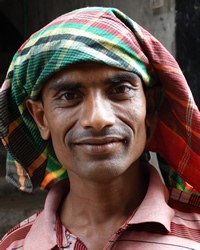

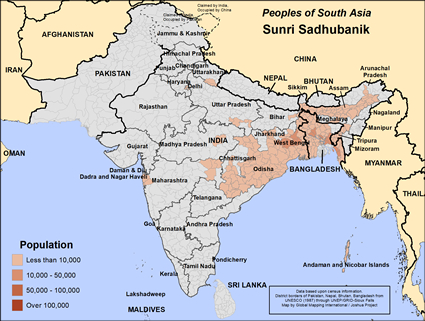
The Sunri Sadhubanik are a subgroup of the broader Sunri community found in both Bangladesh and India. In Bangladesh, they are concentrated primarily in Bengali-speaking areas and share many cultural characteristics with the surrounding Bengali population. Their primary language is Bengali, which serves as the language of family life, commerce, education, and religious practice. The community has historically been associated with trade and small-scale business activities, reflected in the name "Sadhubanik," which is linked to merchant traditions. Over time, they developed a distinct identity within the larger Sunri population while maintaining close cultural ties to Bengali society.
The history of the Sunri community was shaped by social classifications during the colonial era. British administrative policies elevated some Sunri groups while placing others in lower social categories, creating divisions that affected social relationships and economic opportunities. These distinctions continued to influence community identity long after the colonial period ended. Many Sunri Sadhubanik families remain connected to communities across the border in India, particularly in West Bengal, reflecting the shared cultural heritage of the Bengal region.
The Sunri Sadhubanik are found in both rural and urban settings. Traditionally, many earned their living through farming, trade, fishing, and household service occupations. Some families were historically involved in the production and sale of alcoholic beverages, an occupation associated with portions of the broader Sunri community. Today, many work as merchants, small business owners, agricultural workers, skilled laborers, and service-sector employees. Women often play an active role in managing household finances and supporting family economic activities.
Family life is highly valued, and extended family networks provide social and economic support. Education is generally respected, and many families seek opportunities for their children to achieve greater economic stability through schooling and professional employment. Daily life revolves around work, family responsibilities, religious observances, and community relationships. Food habits reflect the broader Bengali culture, with rice serving as the staple food alongside vegetables, fish, fruits, grains, and dairy products. Beef and pork are generally avoided. Festivals, weddings, and family gatherings help preserve community identity and strengthen social bonds.
The Sunri Sadhubanik are predominantly Hindu. Their religious life includes devotion to Hindu gods and goddesses, temple worship, household rituals, festival observances, and participation in the religious traditions of Bengali Hindu culture. Like many Hindu communities, they generally believe in karma, rebirth, and the pursuit of spiritual merit through religious devotion, rituals, and good works.
Religious practice is often intertwined with family traditions and community customs. Worship may involve offerings, fasting, pilgrimages, and participation in major Hindu festivals. The community's worldview is shaped by a religious environment in which many deities are honored. As a result, the biblical teaching that there is one true God and that salvation comes through Jesus Christ alone is often unfamiliar. Many have never had the opportunity to hear a clear presentation of the gospel or study the Bible for themselves.
The Sunri Sadhubanik need greater access to the gospel through trusted relationships, Scripture in Bengali, and faithful Christian witnesses who can communicate biblical truth clearly and respectfully. Although Bengali Bible translations and Christian resources exist, many members of the community have little direct exposure to evangelical Christianity. Meaningful gospel engagement often requires long-term relationships and a genuine understanding of Bengali culture and Hindu beliefs.
Practical needs vary by location. Some families face challenges related to economic opportunity, education, employment, and community development. Efforts that strengthen families, improve educational opportunities, and provide practical assistance can help address tangible needs while building bridges for meaningful relationships. Above all, the Sunri Sadhubanik need opportunities to encounter Jesus Christ through God's word and through believers whose lives demonstrate His grace, truth, and transforming power.
Pray that the Sunri Sadhubanik would have opportunities to hear a clear presentation of the gospel and understand that Jesus Christ is the only way of salvation.
Pray that God would raise up faithful workers who will build genuine relationships among the Sunri Sadhubanik and share biblical truth with wisdom, humility, and love.
Pray that the Sunri Sadhubanik would be adopted through the People Group Adoption program so that churches and believers will commit to ongoing prayer, outreach, and future gospel engagement among them.
Pray that any Bengali-speaking believers who have contact with the Sunri Sadhubanik would be strengthened in their faith and equipped to share the gospel with their community and neighboring peoples.
Scripture Prayers for the Sunri Sadhubanik in Bangladesh.
https://peoplegroups.org/people_groups/pg001156/
https://en.wikipedia.org/wiki/Sunri
https://banglapedia.org
https://www.britannica.com/place/Bangladesh
| Profile Source: Joshua Project |



