


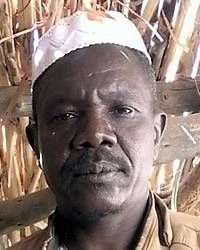

The Abu-Junuk people live in a subdistrict bearing their name in the northwestern part of South Kordofan State in Sudan. This region is part of the Nuba Mountains area, known for its ethnic diversity and long history of cultural interaction, migration, and conflict. While little detailed historical information is available specifically about the Abu-Junuk, they are one of many smaller, localized communities whose identity is closely tied to land, clan relationships, and regional traditions. Their location in South Kordofan places them within a context shaped by both Islamic influence and ongoing social and economic challenges.
The Abu-Junuk people primarily depend on agriculture and livestock for their livelihood. They cultivate sorghum as a staple crop, along with smaller quantities of other grains and vegetables suited to the dry climate. In addition, they raise goats, sheep, and cattle, which provide food, income, and social value within the community.
Life in this region is shaped by a harsh, drought-prone environment. Water must be carefully managed, often collected during seasonal rains or drawn from limited wells. Despite these challenges, the presence of several primary and secondary schools is notable, suggesting that at least some access to basic education exists. Daily life is centered on family, farming cycles, and community cooperation, with survival often requiring resilience and adaptability.
The Abu-Junuk people are Sunni Muslims. Their religious life follows the basic practices of Islam, including prayer and adherence to Islamic teachings. As with many rural Muslim communities, their faith is likely expressed within the rhythms of daily life and community traditions, though there is no indication of any significant Christian presence among them.
The Abu-Junuk face both physical and spiritual needs. Environmentally, the region suffers from recurring drought, making access to clean and reliable water a constant concern. Limited infrastructure and isolation can further restrict access to healthcare, economic opportunity, and consistent education.
Spiritually, they remain unreached with the gospel. There is little to no known access to biblical teaching or Christian witness. Their geographic isolation and strong Islamic identity present barriers, yet their small community size also creates an opportunity for meaningful, long-term engagement if workers are willing to serve in difficult conditions.
Pray that the Holy Spirit would move powerfully among the Abu-Junuk people, opening hearts to the truth of the gospel.
Ask God to raise up and send compassionate, persevering workers to live among them and share Christ clearly.
Pray that the Abu-Junuk people would be adopted through the People Group Adoption program, ensuring sustained prayer and faithful gospel outreach.
Pray that, in time, believers from among the Abu-Junuk would grow in faith and begin to disciple others in the ways of Christ.
Scripture Prayers for the Abu-Junuk in Sudan.
https://en.wikipedia.org/wiki/South_Kordofan
https://en.wikipedia.org/wiki/Nuba_Mountains
| Profile Source: Joshua Project |



