


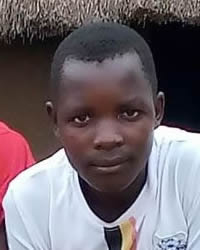

The Okebu, also known as the Kebu, are an ethnic group living mainly in northwestern Uganda, particularly in parts of Zombo and Nebbi districts near the border with the Democratic Republic of Congo. They speak the Okebu language, which belongs to the Central Sudanic language family and is closely related to languages spoken by neighboring peoples in the region. The Okebu have long inhabited the Nile–Congo watershed, where migration and interaction with surrounding groups shaped their cultural and linguistic identity. Colonial-era boundaries altered traditional leadership structures and divided related communities, yet the Okebu have preserved a strong sense of identity through clan ties, language, and oral history. These shared traditions continue to define community life and social organization.
Most Okebu live in rural villages where subsistence agriculture forms the foundation of daily life. Families cultivate crops such as cassava, millet, sorghum, maize, beans, and groundnuts, and keep small livestock including goats and poultry. Life is physically demanding and closely tied to seasonal rainfall and land availability. Extended families and clans provide social stability, mutual support, and guidance through customary leadership. Limited infrastructure affects many aspects of life, including access to education, healthcare, markets, and clean water. Despite economic challenges, Okebu society places strong emphasis on respect for elders, communal cooperation, and hospitality.
Traditional Okebu religion centers on belief in a supreme creator alongside reverence for ancestral spirits and other spiritual forces believed to influence daily events. Spiritual explanations are often given for illness, misfortune, and success, and traditional rituals have historically played an important role in community life.
Christianity is present among the Okebu, and most people identify as Christian. However, traditional beliefs continue to shape worldview and practice, resulting in blended expressions of faith. While the message of the gospel is known, consistent access to clear biblical teaching and discipleship remains limited, and many have not fully embraced salvation through Jesus Christ alone.
The Okebu face significant physical needs related to poverty, food insecurity, and limited access to healthcare and education. Preventable disease, lack of clean water, and under-resourced schools continue to affect community well-being. Agricultural development, improved infrastructure, and access to basic services would greatly enhance quality of life.
Spiritually, there is a need for deeper engagement with Scripture and for Christian faith that is grounded in the finished work of Christ rather than fear of spiritual powers. Strong local churches and trained indigenous leaders are essential for nurturing mature believers who can disciple others and serve their communities faithfully. As the Okebu grow in spiritual maturity, they have the potential to contribute meaningfully to the wider work of global discipleship.
Pray for improved access to clean water, healthcare, education, and sustainable livelihoods among Okebu communities.
Ask God to strengthen agricultural productivity and local infrastructure, reducing hunger and economic instability.
Pray for healing from sickness and hardship, and for protection of vulnerable families.
Ask the Lord to send workers who will clearly and faithfully proclaim the gospel of Jesus Christ and invest in long-term discipleship.
Pray that Okebu Christians would take part in God's global mission, sharing the gospel with communities that deny the sufficiency of the finished work of Christ.
Pray that Okebu believers would grow in biblical understanding and confidence in Christ alone for salvation, free from fear and syncretism.
Ask God to establish strong, Christ-centered local churches with capable and humble leadership.
Scripture Prayers for the Okebu in Uganda.
https://www.101lasttribes.com/tribes/okebu.html
https://hereinuganda.com/kebu
https://www.ugandatravelguide.com/okebu-culture/
| Profile Source: Joshua Project |



