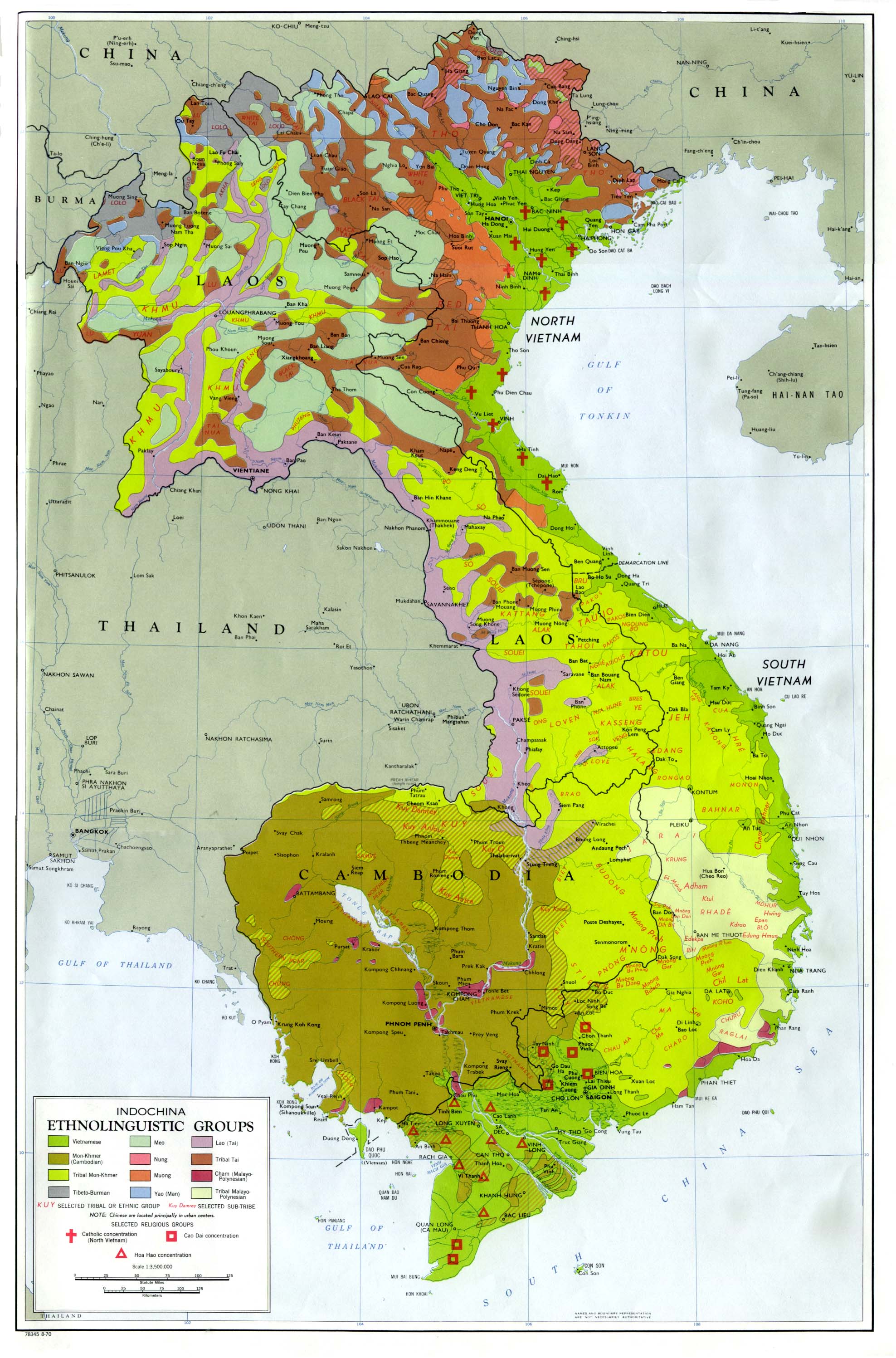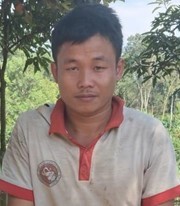

The Sin are a small, little-known ethnic group living in the remote uplands of Laos. Their history is preserved through storytelling, with elders recounting tales of migration, village origins, and the challenges faced by their ancestors. The Sin have maintained a distinct identity, shaped by their language, customs, and close relationship with the land. Their isolation has helped them preserve many traditional practices, even as the world around them changes.
Life for the Sin people is closely tied to the rhythms of nature. Most families practice subsistence farming, cultivating rice, maize, and root crops on small plots. Foraging, fishing, and hunting supplement their diet, and meals are often shared among extended family members. Homes are typically built from bamboo and wood, providing shelter from the elements.
Family and community are central to Sin society. Households often include several generations, and cooperation is essential for both daily work and larger community projects. Children learn practical skills from an early age, helping with farming, caring for animals, and participating in household tasks. The Sin mark important occasions—such as harvests, weddings, and coming-of-age ceremonies—with communal gatherings, music, and ritual feasts, reinforcing social bonds and cultural identity.
The Sin people's worldview is deeply shaped by animism. They believe that spirits inhabit the forests, rivers, and mountains, and that these spiritual beings have a direct influence on daily life. Offerings and rituals are performed to honor and appease these spirits, seeking protection, health, and good harvests. Ancestor veneration is also significant, with families maintaining altars and conducting ceremonies to remember and seek favor from those who have gone before.
These spiritual practices are not merely cultural traditions but expressions of genuine faith and trust in unseen powers. While the gospel has reached a few among the Sin, most continue to look to the spirit world for guidance and security. The presence of a small number of believers is a sign of hope, and there is a longing for more to discover the freedom and assurance found in Jesus Christ.
The Sin face significant challenges, both physical and spiritual. Healthcare is minimal, and preventable illnesses can have devastating effects. Educational opportunities are limited, especially for children in remote villages. Economic hardship is common, with few resources beyond what the land provides. Spiritually, the Sin need freedom from fear and the assurance of God's love and power through Christ. There is a need for holistic outreach that addresses both practical needs and the longing for spiritual peace.
Ask God to open doors for more Sin people to hear and respond to the gospel.
Pray for improved access to healthcare and education in Sin communities.
Intercede for unity and courage among Sin Christians as they share Christ's hope with their neighbors.
Scripture Prayers for the Sin in Laos.
https://operationworld.org/locations/laos/
https://www.ethnologue.com/country/LA
https://www.prayercast.com/laos.html
https://www.la.undp.org/
| Profile Source: Joshua Project |