
The name Teizang is said to come from the location where they first settled. “Tei” is a kind of tree and “zang” means “a small flat land.” Although most scholars describe Teizang as a dialect of Tedim, in 2024 a group of Teizang church leaders said: “While we acknowledge that we are a Tedim subgroup, we speak our own language, especially in the villages, and we need our own Bible due to differences in vocabulary between Tedim and Teizang. For nearly a century, Teizang believers have prayed to God, asking Him to provide His Word in our language.”
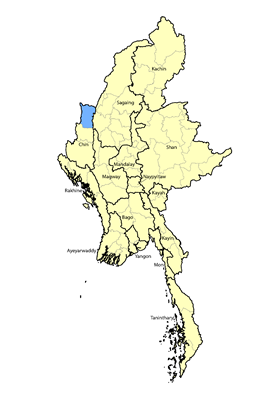
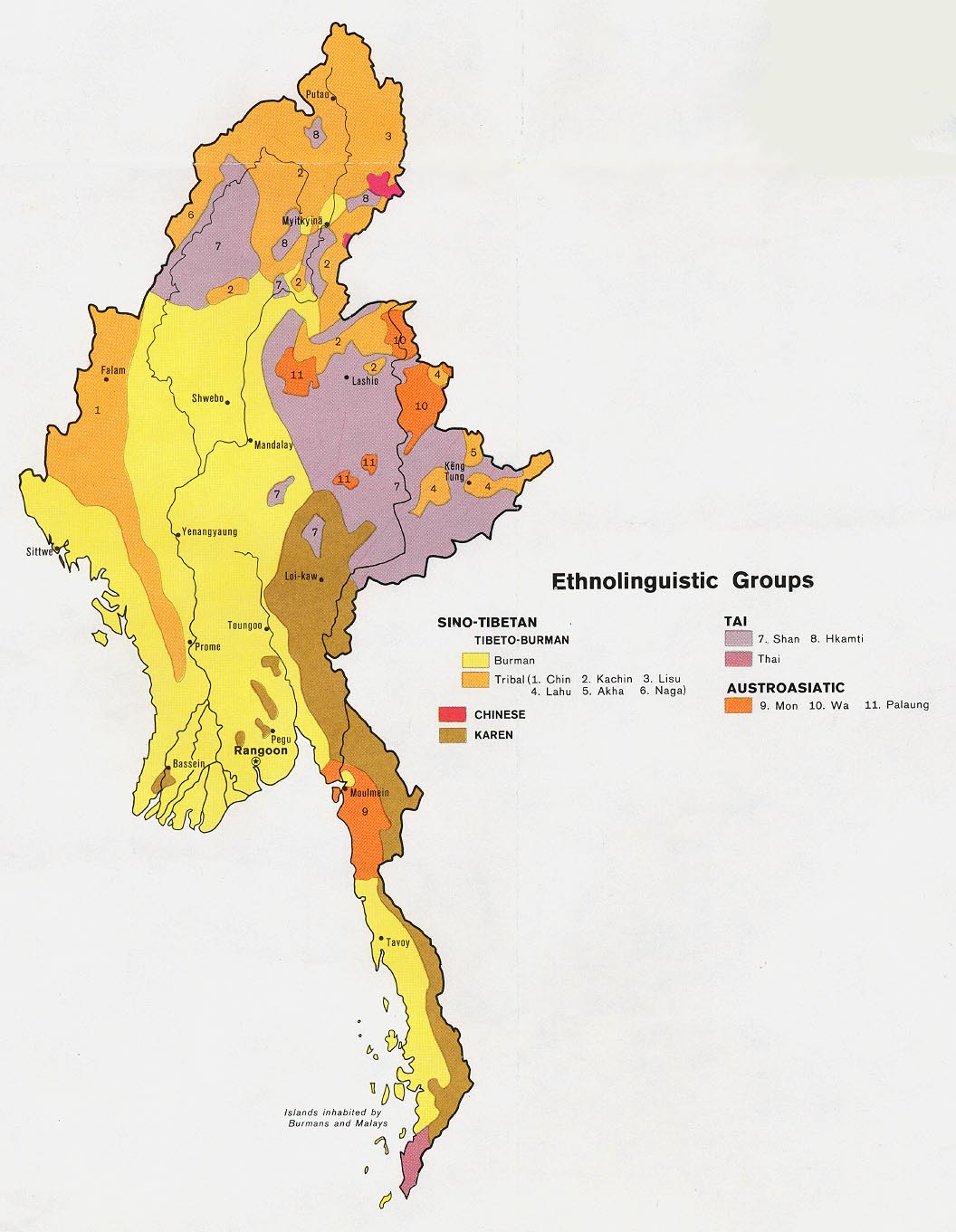
Location: Twenty thousand Teizang people inhabit areas of northern Chin State near Myanmar’s border with India. The main area of 11 Teizang villages is situated west of the town of Tedim. An additional five villages are further north in Tonzang Township and across the border in Sagaing Region. In recent decades Teizang families have moved to Yangon, Mandalay, and other urban areas of Myanmar. While Teizang communities are also found in India and Bangladesh, their numbers are difficult to ascertain because they are considered to be a subgroup of larger tribes in those countries.
Language: The Teizang language, which is also known as Kamhau, has been studied by linguists since the 1950s. Although it is related to Tedim and other vernaculars in the area, there are vocabulary differences, and as most Teizang Christians are not proficient in other languages, they considered it vital to have their own Bible translation.
The history of the Teizang is shrouded in mystery due to the absence of written records prior to their arrival in Chin State. Although groups of related Paite people first migrated to India during the first half of the 17th century, the Teizang are not thought to have been part of that early migration but moved to Mizoram in India only in 1930. The Teizang area suffered widespread damage during the devastating 7.7 earthquake that struck nearby Sagaing in March 2025.
For countless generations the Teizang were animists, sacrificing to spirits in a bid to obtain peace. Their fear of demons included a belief that “the spirit of a man moved around his village for a year after death. After a year, women went to the graveyard and oiled the skull of the dead man with pig fat oil.” Prior to their conversion to Christ, one of the superstitions believed by the Teizang was that a certain village contained “a large serpent living in a black hole. The serpent always swallowed children, so the villagers killed the serpent and distributed the meat to every household. The serpent cursed the village, and it was buried in a great landslide that left few people alive.”
A 2024 report stated: “There are 20,000 Teizang people and all of them are Christians.” This was not always the case, however, with a group of Teizang pastors saying: “Our traditional religion was demon worship, or Animism. But the first Teizang converts were baptized soon after the American missionary Herbert Cope and his Karen coworkers shared the Good News of Jesus Christ with us on June 28, 1929.”
Multitudes of Teizang people were transformed when they repented of their sins and placed their trust in Christ, and their constant conflict with other tribes was replaced by peace and reconciliation. Although the Tedim Chin Bible was published in 1977, the Teizang Christians eagerly desired the Scriptures in their heart language. Their prayers were answered in 2022, when 15,000 Teizang New Testaments were printed and distributed among the Teizang people, all of whom claim to be Christians. The pastor of a Baptist church with over 1,500 members wrote: “Today is the happiest and most joy-filled day for me and all Teizang people, because we received God’s Word freely. It is alive, powerful, and able to lift our lives. To have the Bible in our own language has been the greatest priority for all Teizang people since our people first started converting to Christ through the sharing of Karen missionaries. God never forgot our petitions during more than 90 years of praying for the Scriptures. Hallelujah!”
Scripture Prayers for the Teizang in Myanmar (Burma).
| Profile Source: Asia Harvest |