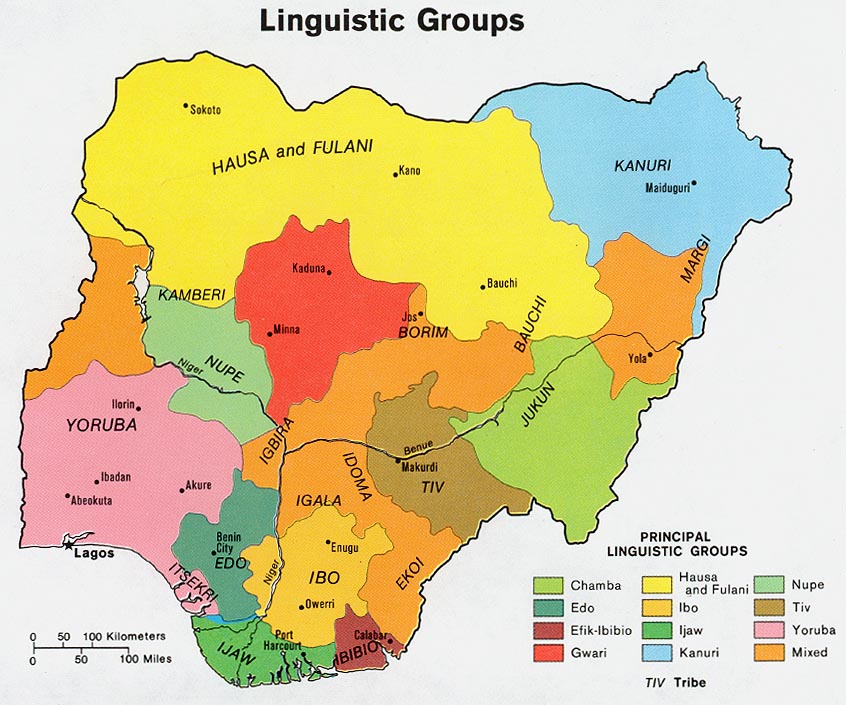
The Eastern Dukawa people are part of the broader Dukawa ethnic identity found in northeastern Nigeria. Their history is closely tied to long-standing settlement patterns along rivers and fertile plains, which supported farming, fishing, and interaction with neighboring peoples. Over generations, the Eastern Dukawa developed distinct community structures rooted in kinship, local leadership, and shared customs. Contact with regional trade networks, Islamic influence, and later colonial administration shaped aspects of governance and religious life, while traditional social values and identity remained strong.
Most Eastern Dukawa families depend on agriculture as their primary means of livelihood, growing crops suited to the local environment and seasonal rainfall. Fishing and small-scale trading often supplement household income, particularly for families living near waterways or market centers. Family life is communal, with extended families playing a significant role in daily decision-making, child-rearing, and care for the elderly. Marriage is viewed as a union between families as much as individuals, and social harmony is highly valued. Community celebrations commonly mark agricultural seasons, weddings, and important cultural events, bringing people together through shared meals, music, and traditional practices.
The Eastern Dukawa are primarily influenced by Islam, which shapes community norms, moral expectations, and religious observance. Islamic practices are often blended with older cultural traditions, particularly in matters related to healing, protection, and community rituals. While there has been some exposure to Christianity, biblical Christianity remains limited within Eastern Dukawa society. For many, religious identity is closely tied to family heritage and community belonging rather than to personal engagement with the message of the gospel.
The Eastern Dukawa face practical needs related to poverty, access to quality education, healthcare, and sustainable economic opportunities. Improved infrastructure and basic services would contribute to greater stability and resilience for families. Spiritually, there is a need for faithful Christian witnesses who can share the gospel of Jesus Christ with clarity, love, and cultural sensitivity. Long-term discipleship is essential so that those who respond to the gospel can grow in their faith and become equipped to share Christ within their own families and communities.
Pray that God would prepare the hearts of the Eastern Dukawa to hear and respond to the good news of Jesus Christ.
Pray for Christian workers who are willing to learn the language and culture and to serve with patience and humility.
Ask the Lord to meet pressing physical needs, including education, healthcare, and economic stability, as a reflection of His compassion.
Pray that future Eastern Dukawa believers would be grounded in Scripture and empowered to participate in God's work of making disciples.
Scripture Prayers for the Dukawa, Eastern in Nigeria.
https://www.ethnologue.com
https://www.peoplegroups.org
| Profile Source: Joshua Project |