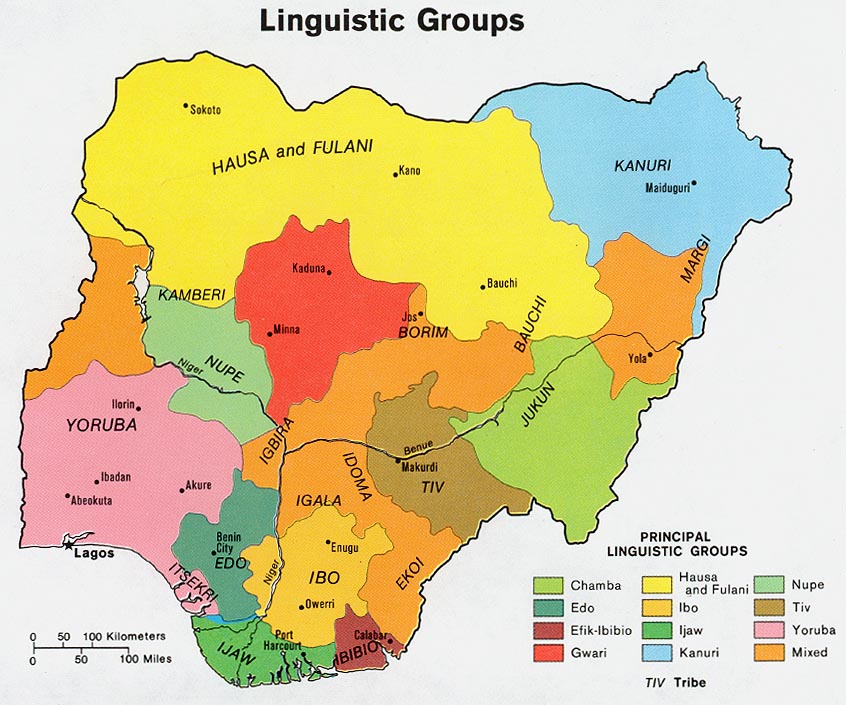
The Ibilo are a small ethnic community found in the northern part of Edo State in southern Nigeria. They are associated with the Okpamheri-speaking peoples, whose language belongs to the Edoid branch of the Niger-Congo language family. The town of Ibillo has long been an important settlement within this cluster of related communities, and the dialect spoken there is recognized as a form of the Okpamheri language.
Local traditions and historical accounts describe the community as one of several Edo-related groups that settled in the hills and valleys of the Akoko-Edo region. Some traditions connect the early origins of the settlement to migration from older cultural centers in southwestern Nigeria. Over generations the Ibilo developed their own identity while maintaining cultural links with neighboring Edo-speaking and Yoruba-influenced communities.
The community has historically been organized around villages and family compounds led by elders and local leaders. Age-grade systems and councils of elders traditionally helped guide community decisions, maintain order, and pass down customs and values from one generation to the next.
Ibilo communities are in a region of hills, farmland, and forested areas that support agriculture and village life. Farming is a central part of daily life, with families cultivating crops suited to the tropical climate and fertile soils of the region. Agricultural work is often carried out through family cooperation and seasonal rhythms that shape the pace of village life.
Extended family relationships are an important part of social structure. Families commonly live close to one another in compounds or nearby homes, allowing generations to share responsibilities, traditions, and community life. Elders are respected for their wisdom and experience and often play a guiding role in community matters.
Markets, festivals, and community gatherings provide opportunities for social interaction and the strengthening of cultural identity. Traditional music, storytelling, and ceremonies help preserve the heritage of the people and connect younger generations with the history of their community.
Language is also a key element of identity. The Okpamheri language and its local dialects serve as the primary means of communication within families and villages, helping preserve cultural knowledge and community traditions.
Many Ibilo people identify with Christianity, and churches are present in the region. Christian worship, teaching, and fellowship play an important role in the spiritual life of many families and communities.
As in many communities with long cultural histories, traditional beliefs and practices have also influenced the spiritual outlook of the people. Earlier traditions often included reverence for ancestors, recognition of spiritual forces, and ceremonies connected to community life and the natural world. These traditions historically helped shape cultural values and social relationships.
Scripture portions are available in the language spoken by the people, and audio Scripture resources are also accessible. These resources help support engagement with the Bible and encourage spiritual growth within local churches and families.
Believers among the Ibilo benefit from continued opportunities to deepen their understanding of Scripture and grow in their faith. Teaching and discipleship resources that are accessible in the language familiar to the people can strengthen spiritual formation and encourage deeper engagement with God's word.
Local churches also benefit from leadership development and encouragement for pastors and Christian workers who serve their communities. Well-equipped leaders can help guide congregations, support families, and nurture healthy spiritual growth.
Resources that encourage Scripture engagement in the heart language of the people can help strengthen faith and understanding. As believers grow in unity and maturity, the church can become a strong witness of Christ within the community and among neighboring peoples.
Pray that believers among the Ibilo will grow in their understanding of Scripture and develop strong, Christ-centered faith.
Pray for pastors, teachers, and church leaders to have wisdom, courage, and spiritual strength as they serve their congregations.
Pray for families and communities to experience peace, stability, and spiritual renewal through the message of Christ.
Pray that scripture resources in the language spoken by the people will continue to become available and widely used.
Pray that believers among the Ibilo will have a vision to share the love of Christ with neighboring peoples and future generations.
Scripture Prayers for the Ibilo in Nigeria.
https://glottolog.org/resource/languoid/id/ibil1238
https://www.nairaland.com/2097102/brief-historical-origin-ibillo-community
| Profile Source: Joshua Project |