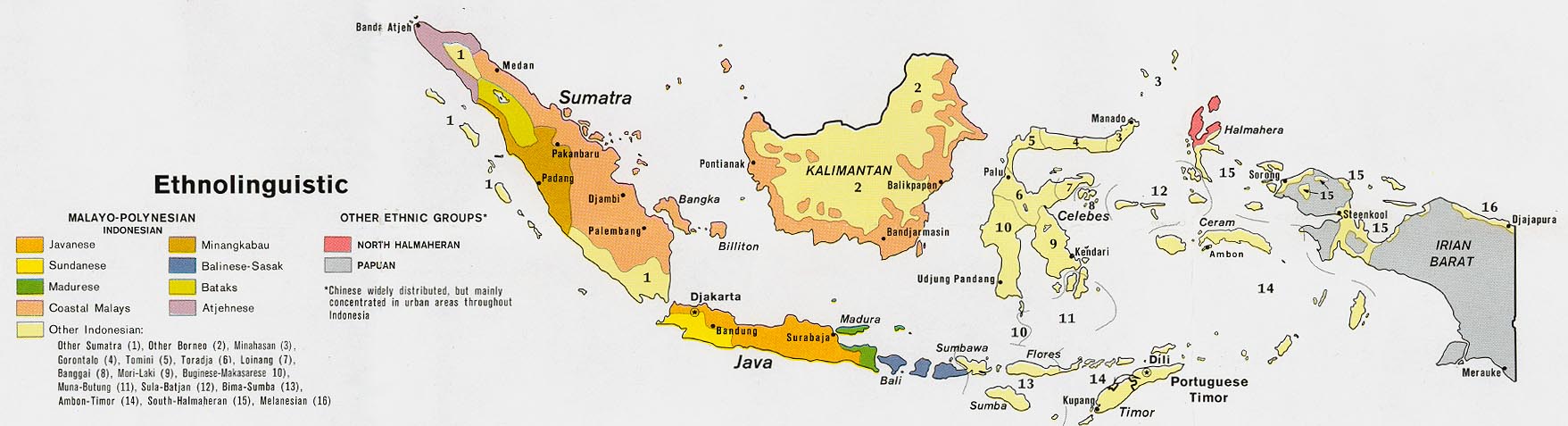
The Segai people (also known by the names Ga'ai, Segayi, or Punan Kelai/Segah) are an indigenous Dayak group living in East Kalimantan, Indonesia, primarily along the Kelai and Segah Rivers in Berau Regency. They are linguistically part of the Kayanic branch of Austronesian languages. Their language, called Segai, has at least two principal dialects, Kelai and Segah.
In the wider ethnographic literature, they are sometimes considered part of a broader group known as Modang, which includes several related riverine communities.
Historically, like many interior Bornean groups, the Segai lived in close association with the forest, practicing subsistence lifestyles that combined shifting (swidden) agriculture, gathering, hunting, and fishing.
Their relative isolation along river systems has helped preserve their language and traditional customs, even as outside influences have grown over time.
The Segai sustain themselves through a mixture of traditional and semi-traditional means. Many maintain swidden (slash-and-burn) gardens where they grow staple crops such as rice, cassava, and vegetables, similar to neighboring Modang groups. They also gather forest products—including rattan, medicinal plants, and wild foods—and may fish or hunt to supplement their diet.
In recent decades, economic pressures have shifted some toward more modern work such as small-scale gold mining and wage labor (often on nearby oil palm plantations) are reported among Segai in certain communities.
Segai families typically live in longhouses or riverine settlements, reflecting a communal social structure common in Dayak societies. Extended family ties are strong, and cooperation is a key part of daily life, both in agricultural work and in gathering forest resources.
There is little publicly documented about specific Segai festivals or large-scale communal celebrations. However, as with many Dayak groups, significant life-cycle events (such as births, marriages, and harvests) are likely marked with traditional ceremonies, though detailed description is scarce in the literature available.
Their diet is largely based on locally grown staples. Swidden agriculture provides root crops and vegetables, while hunting, fishing, and gathering forest products contribute protein and wild foods. Rattan and forest fruits may supplement their diet, and resin or medicinal plants are used both for subsistence and trade.
According to mission-agency ethnographic sources, the primary religious worldview of the Segai is animism (ethnoreligion). This means they likely believe that natural features (trees, rivers, animals) and ancestral spirits have spiritual essence and power.
Although there is limited published specific ethnography on Segai spiritual practices, this aligns with animistic traditions widely documented among indigenous Bornean peoples, particularly in Kalimantan. In such systems, rituals may include offerings to spirits to secure protection, balance, and harmony with nature.
At present, according to people-group data, a small but growing portion of the Segai identify as Christians, though traditional animistic beliefs remain highly influential.
Spiritually, the Segai people remain deeply rooted in their animistic worldview, which governs daily life and relationships with the natural world. Many live without a clear, biblical understanding of sin, forgiveness, and the person of Jesus Christ. Although some Christians are present, there is a strong need for discipleship and church multiplication so that believers can be formed in their own cultural context and become a part of a mission force among their own people.
Culturally, the Segai need resources that respect their language and heritage. Their oral culture and possibly limited literacy in Segai means that evangelistic and discipleship materials must be linguistically and culturally appropriate. The existing Gospel Recordings are a good start, but more tools (audio Bible stories, Bible apps, oral Bible-teaching programs) are needed.
Material needs also weigh heavily. The Segai's traditional livelihood (swidden agriculture, forest gathering, small-scale mining) is under pressure: deforestation, land conflict, and encroachment from oil palm plantations threaten both their land and their way of life.
rightsandresources.org
Economic alternatives that are sustainable and culturally sensitive could help them thrive without losing their identity. Access to health care, education, and clean infrastructure is limited in many remote river communities, making development aid and community-based projects highly relevant.
Pray that the Lord would send workers who are sensitive to Segai culture and fluent in their language, led by the Holy Spirit to share the good news of Jesus in a way that resonates with Segai worldview.
Pray for the raising up of Segai believers who will become disciple-makers.
Pray for the formation of discipleship groups, and eventually indigenous churches.
Pray for wisdom and favor for the Segai as they navigate economic pressures; that they might find sustainable livelihoods.
Pray for improved health, education, and infrastructure in Segai communities: access to medical care, clean water, schooling, and transportation for remote river villages.
Pray that Segai believers would grow in maturity, walking in the power of the Holy Spirit, that their transformed lives would give testimony to their people, prompting others to ask about the hope they have in Christ.
Scripture Prayers for the Segai in Indonesia.
PeopleGroups.org. "Segai of Indonesia (PG022609)."
Encyclopedia.com. "Modang" entry.
ResearchGate / Borneo ethnohistory. "Ethnohistory of the Kayanic peoples … Segai disturbances in the colonial era."
Sellato, Bernard, & Soriente, Antonia.
| Profile Source: Joshua Project |