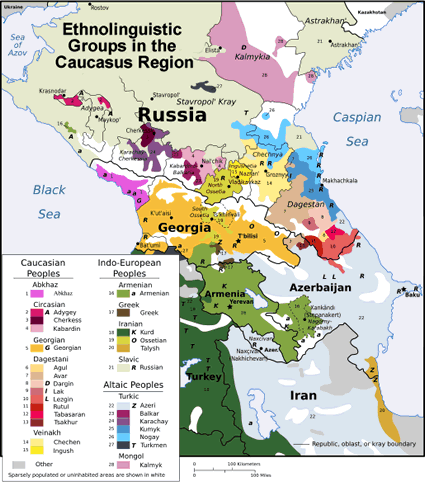

The Ossetians in Türkiye are descendants of migrants from the Caucasus region, primarily settling during the 19th century. Around 50,000 Ossetians migrated to the Ottoman Empire in the early 1860s, escaping conflict and repression. Many initially settled in eastern districts like Sar?kam?? but later relocated further west after the Russo-Ottoman War (1877-78). By the 1960s, around 60 Ossetian villages were scattered across central and eastern Anatolia. Today, only three villages—Boyal?k, Karabacak, and Poyrazl? (in the Yozgat district)—remain predominantly Ossetian, where residents still speak the Iron and Digor dialects of the Ossetian language. Over time, urban migration led many Ossetians to move to major cities like Istanbul, Ankara, and Kars, accelerating their assimilation into Turkish society. Despite these changes, the Alan Cultural and Aid Foundation (established in 1989) continues to promote Ossetian heritage and support community solidarity.
The Ossetians in Türkiye predominantly follow Sunni Islam, a shift influenced by their migration to the Ottoman Empire, which was predominantly Muslim. This contrasts with Ossetians in the Caucasus, who remain primarily Eastern Orthodox Christians. The religious transition in Turkey resulted in the abandonment of some traditional Christian practices and customs observed in their ancestral homeland.
Despite their conversion to Islam, elements of pre-Islamic Ossetian traditions persist in their cultural practices, including rituals and celebrations tied to their Caucasian heritage. However, the influence of Turkish society has gradually shaped their religious and cultural identity over time.
The Ossetians in T rkiye are primarily integrated into the larger Turkish society. In rural areas like Yozgat, they maintain traditional village lifestyles, with farming and animal husbandry as common occupations. In urban centers such as Istanbul and Ankara, Ossetians work in a variety of professions, including business, trade, and public service.
While they strive to preserve their language and customs, the Ossetian language is gradually declining, particularly among younger generations due to pressures of assimilation and urban migration. In the remaining Ossetian villages, cultural events, festivals, and music continue to showcase their heritage. However, fewer individuals actively speak Ossetian dialects today.
Christian materials in Ossetian dialects are limited, making outreach efforts challenging. While some audio gospel messages and Scripture are available in Russian and Georgian, no widely known Ossetian-language Bibles exist in T rkiye.
To effectively promote Christianity in this context, it is crucial to employ culturally sensitive outreach strategies that utilize language-specific resources, digital platforms, and relationship-based evangelism. This could include translating Christian literature into Ossetian and distributing audio Bibles.
In addition, rural Ossetian villages face economic difficulties due to migration and a lack of local job opportunities. Improving access to education, infrastructure, and employment can help sustain these communities. Furthermore, maintaining cultural exchange programs with Ossetians in the Caucasus could help strengthen their cultural connections.
Proclaim Scripture verses that God knows and loves these people and wants none to perish.
Pray the Scriptures that entire families will turn to Christ.
Pray that Christianity will be remembered in their traditions and the people will be attracted to the gospel.
Pray that the Holy Spirit will multiply Ossetian believers.
Scripture Prayers for the Ossette in Türkiye (Turkey).
https://en.wikipedia.org/wiki/Ossetians_in_Turkey
Ossetians Wikipedia (general overview):
https://en.wikipedia.org/wiki/Ossetians
Ossetians.com History of Ossetians and Alans:
http://ossetians.com/eng/news.php?f=3&newsid=27
Ossetian People: History, Language & Characteristics Study.com:
https://study.com/academy/lesson/ossetians-history-culture-facts-people.html
Ossetians Facts and Details:
https://factsanddetails.com/russia/Minorities/sub9_3d/entry-5115.html
| Profile Source: Joshua Project |
| Other PDF Profile |