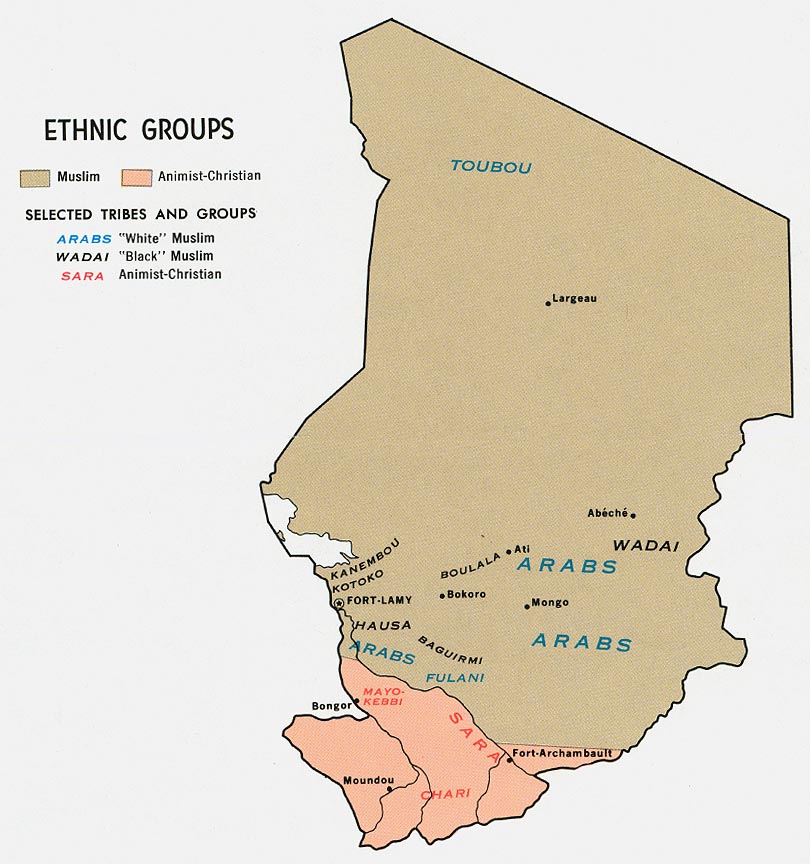
The Majera are a small Chadic-speaking ethnolinguistic community found in southwestern Chad, with related communities across the border in neighboring Cameroon. Rather than being defined by a large tribal identity, the Majera are best recognized through their shared language and close-knit community life. Their language, Majera, belongs to the Afro-Asiatic language family and is closely related to other Chadic languages spoken around the Lake Chad Basin. Today, however, the language is under pressure as many Majera increasingly use larger regional languages for trade, education, and daily communication, placing their mother tongue at risk of disappearing.
For generations, the Majera have lived alongside neighboring peoples, adapting to changing political, economic, and social conditions. This interaction has shaped their identity while also contributing to the gradual decline of their language. Even so, many families continue to value their linguistic heritage and maintain strong ties to their ancestral communities.
Life among the Majera revolves around family, community, and the rhythms of rural living. Agriculture provides the foundation of daily life, with households cultivating crops suited to the local climate and raising livestock where conditions allow. Seasonal work, local markets, and cooperation between relatives help sustain families throughout the year.
Extended family relationships remain important, with older family members often providing guidance in household and community matters. Hospitality and mutual support are valued, especially during periods of planting, harvest, weddings, and other important gatherings. Like many rural communities in Chad, the Majera balance longstanding traditions with the realities of modernization, as younger generations increasingly learn national or regional languages to pursue education and employment opportunities beyond their villages.
The Majera primarily identify with Islam. Alongside Islamic practice, many also place trust in spiritual powers, unseen forces, and practices intended to provide protection, healing, or guidance in everyday life. These beliefs influence important decisions and responses to illness, misfortune, and uncertainty.
The gospel has had very little impact among the Majera. Scripture resources in their own language are lacking, and there is little known access to sustained Christian witness in their communities. As a result, many have never had the opportunity to hear a clear presentation of the good news of Jesus Christ in a language they understand best. The Bible teaches that forgiveness of sin, reconciliation with God, and eternal life are found through faith in Jesus Christ alone.
The Majera would benefit from improved access to quality healthcare, education, clean water, and economic opportunities that strengthen rural livelihoods. Preserving and developing resources in the Majera language would also help protect their linguistic heritage while making education and communication more effective.
Spiritually, they need faithful Christian workers, scripture translated into Majera, and culturally appropriate discipleship resources so they can clearly understand the message of salvation through Jesus Christ.
Pray that the Majera will have opportunities to hear the gospel in their own language and respond to Jesus Christ in faith.
Pray for Bible translation, scripture resources, and gospel media to become available in Majera.
Pray for improved healthcare, education, and sustainable livelihoods within Majera communities.
Pray that God will raise up believers who will lovingly share Christ and establish enduring, Bible-centered churches among the Majera.
Scripture Prayers for the Majera in Chad.
https://peoplegroups.org/people_groups/pg011399/
https://www.ethnologue.com/language/xmj
https://en.wikipedia.org/wiki/Majera_language
https://www.worldmap.org/uploads/9/3/4/4/9344303/chad_profile.pdf
| Profile Source: Joshua Project |