


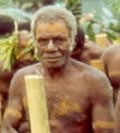

The Maii people of Vanuatu are part of the rich mosaic of small, distinct communities spread across this Pacific island nation. Like many groups in Vanuatu, their identity is closely tied to their land, language, and kinship networks. The islands of Vanuatu have been inhabited for thousands of years, and the Maii people trace their heritage through generations of oral tradition rather than written history. These stories often recount ancestral origins, migrations, and the establishment of village life.
European contact came relatively late to many parts of Vanuatu, and early encounters brought both disruption and change. Missionary activity introduced Christianity, along with education and new social structures. While these influences have shaped aspects of Maii society, traditional customs and community patterns have remained resilient. The Maii continue to maintain a distinct cultural identity within the broader national framework, even as modernization gradually reaches more remote areas.
Daily life among the Maii people is typically centered on subsistence living and strong community relationships. Most families depend on gardening and fishing for their food. Root crops such as taro, yam, and cassava are commonly grown, while the surrounding ocean provides fish and other marine resources. Knowledge of the land and sea is passed down through generations and is essential for survival.
Village life is communal, with extended families often living close to one another. Homes are usually constructed from locally available materials, and much of life takes place outdoors. Cooperation is an important value; people work together to plant crops, build homes, and host community events.
Language plays a vital role in preserving identity. The Maii people speak their own language, which may be used primarily within their community. For wider communication, many also use Bislama, the national trade language of Vanuatu. This multilingual environment reflects both tradition and adaptation to a broader national culture.
Access to modern services such as healthcare and education can be limited, particularly if the Maii live in more remote areas. Travel between islands or regions may be difficult, depending on transportation and weather conditions. Younger people sometimes leave their communities to pursue education or employment, which can bring both opportunity and cultural challenges.
Despite these limitations, the Maii people often demonstrate a strong sense of belonging, resilience, and mutual support within their communities.
Christianity has influenced the Maii people, and many would identify with some form of Christian belief or practice. Churches may be present in their communities, and biblical teachings are often known to varying degrees. However, as is common in parts of Vanuatu, Christian faith may coexist with traditional spiritual beliefs.
Traditional beliefs frequently include an awareness of spiritual forces and the influence of ancestors. The natural world is often seen as connected to the spiritual realm, and certain customs or practices may be observed to maintain harmony or seek protection. These beliefs can shape how people understand illness, success, and misfortune.
Where the message of the gospel has not been fully understood or deeply rooted, a blending of beliefs can occur. Individuals may participate in Christian worship while still relying on traditional practices in times of need. This can lead to a divided spiritual perspective, where trust is placed in both biblical teaching and older spiritual systems.
Clear teaching of Scripture and consistent discipleship are essential for helping believers grow in their understanding of Christ and His work.
The Maii people have both spiritual and practical needs. Spiritually, there is a need for a deeper understanding of the gospel that leads to personal faith and transformation. While Christian influence is present, ongoing discipleship and teaching are important to help individuals move beyond surface-level belief.
Access to Scripture in the Maii language, if limited or unavailable, remains a key need. When people can hear and read God's Word in their heart language, it becomes more meaningful and easier to understand. Bible translation efforts, along with oral methods of sharing Scripture, can play a vital role in this context.
There is also a need for trained local leaders who can guide and strengthen the church from within the community. Local leadership ensures that the message of the gospel is communicated in culturally appropriate ways and that the church remains sustainable over time.
Practically, challenges related to isolation affect access to healthcare, education, and economic opportunities. Support in these areas can improve quality of life and open doors for holistic ministry. Christian workers who are willing to serve humbly, build relationships, and address both spiritual and physical needs can be a great encouragement.
Pray that the Maii people would come to a clear and personal understanding of the gospel of Jesus Christ, leading to transformed lives and communities.
Pray for the availability and effective use of Scripture in their own language, that God's word would speak deeply to their hearts.
Pray for strong and faithful local leaders who can disciple others and guide the church with wisdom and biblical truth.
Pray for Christian workers who are called to serve among the Maii, asking that they would be equipped with perseverance, cultural sensitivity, and love.
Pray for improvements in healthcare, education, and daily living conditions, that the Maii people may experience both physical well-being and spiritual growth.
Scripture Prayers for the Maii, Mafilau in Vanuatu.
Regional studies on Vanuatu cultures and languages
General ethnographic research on rural island communities in Vanuatu
| Profile Source: Joshua Project |



