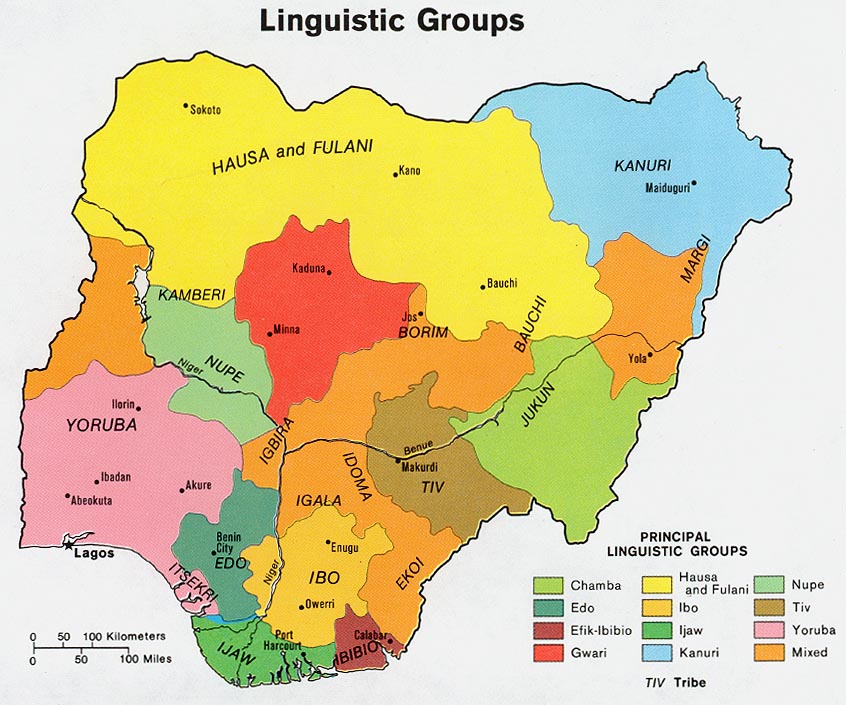
The Kamantan, who call themselves Angan, are an indigenous people of southern Kaduna State in Nigeria's Middle Belt. They are found primarily in Zangon Kataf and Kachia, where they maintain a distinct ethnic identity while living alongside several related peoples. Their language, Nghan (also called Kamantan, belongs to the Plateau branch of the Niger-Congo language family and remains an important marker of community identity.
Historically, the Angan have been part of the wider network of Middle Belt communities that developed around the highlands and valleys of southern Kaduna. Oral traditions connect them with neighboring groups, yet they have preserved their own language, traditional leadership, and cultural practices. Their traditional ruler is known as the Ngbiar, and the chiefdom headquarters is located at Fadan Kamantan.
Most Angan communities are rural, and agriculture remains the foundation of daily life. Families cultivate crops such as millet, sorghum, maize, and other staples suited to the local environment. Livestock keeping, local trading, and seasonal labor also contribute to household income. Farming seasons strongly influence the rhythm of community life, with planting and harvest periods drawing relatives and neighbors together in cooperative work.
Family ties are highly valued, and extended families often live near one another, sharing responsibilities and supporting one another during weddings, funerals, and other important events. Traditional music, dancing, storytelling, and communal celebrations continue to play a significant role in preserving Angan identity, even as younger generations increasingly engage with formal education and urban employment opportunities.
Many Angan identify as Christians, while others practice Islam or continue to place their trust in traditional spiritual powers and rituals. Some seek protection, healing, or guidance through ancestral spirits, ritual specialists, or other spiritual practices that are believed to influence daily life and human well-being. These beliefs often shape responses to sickness, misfortune, and major life decisions.
The gospel has a visible presence among the Angan through churches and Christian communities, yet there remains a need for deeper biblical discipleship and a clearer understanding of salvation through Jesus Christ alone. The Bible teaches that forgiveness of sins and reconciliation with God come through faith in Christ, not through rituals, spirits, or any other spiritual power.
The Angan would benefit from improved healthcare, stronger educational opportunities, reliable infrastructure, and sustainable economic development in their rural communities. Continued support for literacy and education in the Kamantan language would also help preserve their linguistic heritage and strengthen communication within the community.
Spiritually, they need mature, Bible-centered discipleship, faithful Christian leaders, and continued access to Scripture and teaching resources in their heart language so that believers can grow in a strong and enduring faith.
Pray that Angan believers will grow in wholehearted devotion to Jesus Christ and reject all competing spiritual allegiances.
Pray for strong, Bible-centered churches and faithful Christian leaders to be established throughout Angan communities.
Pray for improved healthcare, education, and economic opportunities for Angan families.
Pray that the Kamantan language will continue to be preserved and used effectively in Scripture, discipleship, and community life.
Scripture Prayers for the Kamantan, Angan in Nigeria.
https://peoplegroups.org/people\_groups/pg014030/
https://www.ethnologue.com/language/kci
https://en.wikipedia.org/wiki/Kamantan\_people
https://en.wikipedia.org/wiki/Ngyian\_language
| Profile Source: Joshua Project |