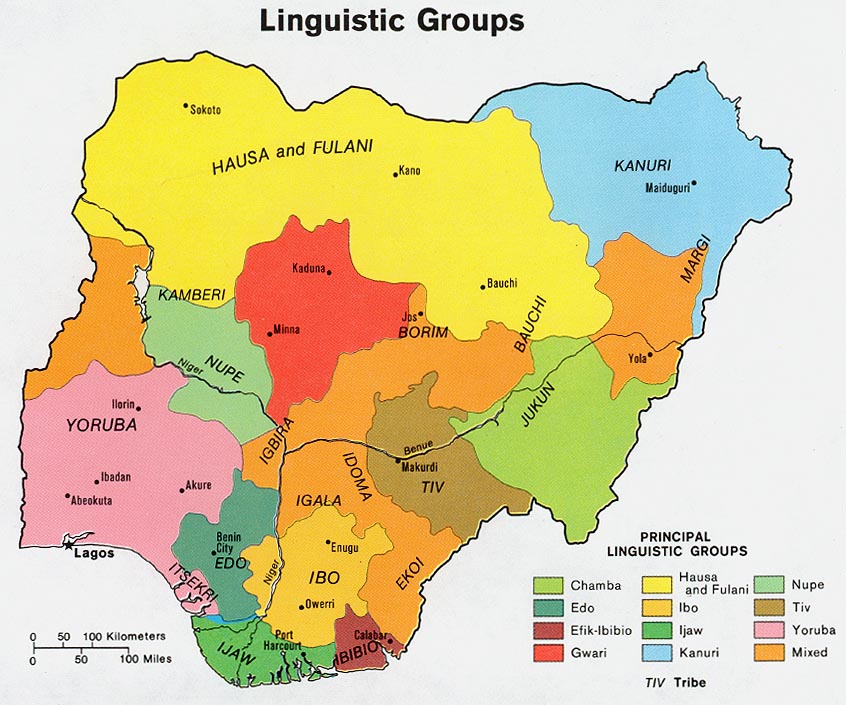
The Ikwere, who call themselves Iwhuru?hna, are an indigenous people of Rivers State in southern Nigeria. They are concentrated mainly in the present-day Ikwerre, Emohua, Obio-Akpor, and Port Harcourt Local Government Areas. Their language, Ikwere, belongs to the Igboid branch of the Niger-Congo language family and remains a strong marker of their identity, although English and Nigerian Pidgin are also widely spoken, particularly in urban areas.
The origins of the Ikwere are debated. Some traditions associate their ancestry with migration from the ancient Benin Kingdom, while others emphasize longstanding connections with neighboring Igbo-speaking peoples. Over time, they developed a distinct identity with their own language, customs, and traditional institutions. Historically, the Ikwere have been organized into several major clan groupings, each preserving its own local leadership and cultural practices.
The Ikwere have experienced significant social and economic change because much of their homeland surrounds Port Harcourt, one of Nigeria's major commercial and petroleum centers. While many people work in government, education, business, transportation, and the oil and gas industry, others continue to farm crops such as cassava, yam, maize, and vegetables or engage in fishing and trading.
Family and community remain central to Ikwere life. Respect for elders, extended family relationships, and communal cooperation are highly valued. Weddings, funerals, naming ceremonies, and traditional festivals often bring entire communities together through music, dance, feasting, and cultural displays. Although urbanization has influenced many aspects of daily life, these gatherings continue to reinforce family ties and cultural identity.
Many Ikwere identify as Christians, and churches are found throughout their communities. At the same time, traditional religious beliefs continue to influence most of them. In fact, most identify with their traditional religion. They place their trust in spiritual beings, ancestral spirits, sacred objects, or traditional rituals that are believed to provide protection, justice, healing, or blessing. These beliefs often exist alongside Christian profession rather than being completely abandoned.
The New Testament and other Christian resources are available in the Ikwere language, giving many people access to God's Word. Even so, there remains a need for deeper biblical discipleship so that those who identify as Christians place their confidence fully in Jesus Christ alone for salvation and reject reliance on other spiritual powers. The Bible teaches that forgiveness of sins and eternal life are found only through faith in Christ.
The Ikwere would benefit from continued improvements in education, healthcare, employment opportunities, and environmental stewardship, particularly in areas affected by rapid urbanization and industrial activity. Preserving and promoting the Ikwere language through literacy and educational resources will also help strengthen future generations.
Spiritually, there is a need for mature, Bible-centered discipleship, the completion of Old Testament translation in Ikwere, and churches that faithfully proclaim the gospel and equip believers to live according to God's word.
Pray that Ikwere believers will grow into wholehearted devotion to Jesus Christ and reject all competing spiritual allegiances.
Pray for the completion and widespread use of the Old Testament in the Ikwere language.
Pray for stronger healthcare, education, and sustainable opportunities for Ikwere families.
Pray that the churches among the Ikwere will faithfully disciple believers and share the gospel with neighboring peoples.
Scripture Prayers for the Ikwere in Nigeria.
https://peoplegroups.org/people_groups/pg013855/
https://www.ethnologue.com/language/ikw
https://en.wikipedia.org/wiki/Ikwerre_people
https://en.wikipedia.org/wiki/Ikwerre_language
| Profile Source: Joshua Project |