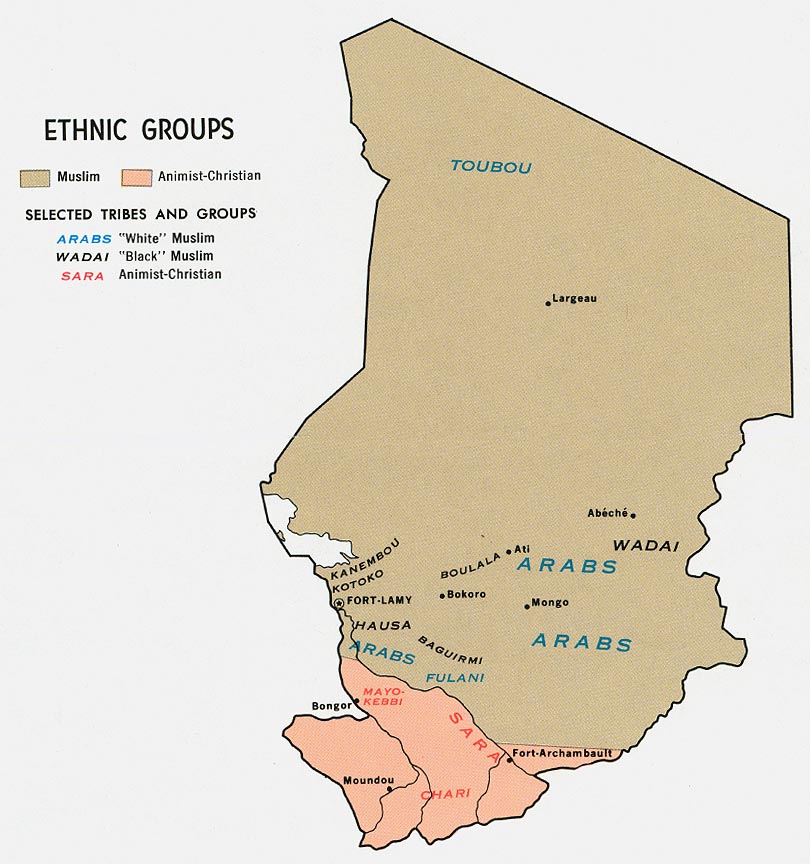
The Banana Mussei Banana are an ethnic people group of southern Chad who speak the Musey language, a member of the Chadic branch of the Afro Asiatic language family. They belong to the broader Chadic people cluster spanning southern Chad and northern Cameroon.
The names "Banana" or "Banana Ho Ho" are among several alternate names historically used to refer to this group. The Mussei have long lived in the fertile plains of Mayo Kebbi Est, Mayo Kebbi Ouest, and Tandjilé regions, maintaining village-based societies shaped by agriculture and local social networks. Settlement patterns reflect the movement of Chadic peoples, but their distinct ethnolinguistic identity remains intact.
The Mussei are primarily subsistence farmers living in rural villages where daily life revolves around agricultural cycles and family cooperation.
They cultivate millet, sorghum, cassava, peanuts, and other staple crops, while keeping livestock such as goats, sheep, and poultry. Women contribute significantly through garden cultivation and harvest processing.
Villages consist of extended family compounds built with mud bricks and thatch. Community life relies on cooperative labor and clan relationships, particularly during planting and harvest. Children assist in household and field work from an early age.
Infrastructure is limited. Many villages lack electricity, clean water, and access to well-equipped schools or health facilities. Poor transportation isolates communities from larger markets and services.
Traditional beliefs include ancestor veneration and respect for spiritual forces, which remain influential in daily life. Some families also identify culturally with Islam. Christian adherents, often Protestant or Roman Catholic, have access to Scripture and Christian media in the Musey language, though discipleship depth varies. Religious identity is often syncretistic, blending traditional, Islamic, and Christian practices, especially during birth, marriage, and funerals. Animistic and cultural traditions continue alongside church or mosque attendance.
Mussei communities face developmental and spiritual challenges. Infrastructure deficits include unreliable access to clean water, limited healthcare, and poorly resourced schools. Children often leave school to help with agriculture.
Economically, dependence on subsistence agriculture and limited market access restricts income generation. Programs supporting agricultural productivity, literacy, and small business development could strengthen resilience.
Spiritually, although Christianity is present, discipleship remain limited. There is a need for biblical teaching, Scripture engagement, and trained local leaders. Traditional beliefs remain strong, so culturally sensitive work is critical.
Healthcare improvement, particularly in maternal and child health, sanitation, and immunization, is needed. Literacy programs could provide greater opportunities beyond subsistence farming.
Pray for Christian workers and pastors with cultural sensitivity to serve long-term.
Pray that traditional spiritual strongholds will be broken by God's power.
Pray for growing, reproducing churches among the Mussei.
Pray for improved education and literacy for children and youth.
Pray for better healthcare access and sanitation in Mussei communities.
Pray for unity among believers from different backgrounds leading to evangelism and discipleship.
Pray for a movement of the Holy Spirit bringing lasting transformation.
Scripture Prayers for the Banana, Mussei in Chad.
The Musey language, also called Banana or Mussei, is a Chadic Afro Asiatic language spoken in southern Chad.
The Mussei people are part of the Chadic people cluster present in southern Chad and cross-border regions.
Alternate names for Musey inc
| Profile Source: Joshua Project |