


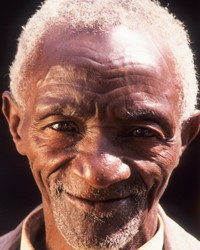

The Bamileke-Batcham are part of the larger Cameroon-Bamileke people cluster, residing in the West Region of Cameroon, particularly in the Bamboutos Division and around Batcham, Balatchi, and nearby villages. Their primary language is Ngiemboon, a member of the Grassfields branch of the Niger-Congo (Bantoid) language family, sharing linguistic and cultural bonds with other Bamileke groups across the highland Grassfields.
Historically, the wider Bamileke peoples trace their roots to earlier settlements in the region and are thought to have migrated southward centuries ago to escape pressures from invasions and to establish their own chiefdoms. Each local community is traditionally organized around a fon (king or chief) and extended family lineages, with deeply entrenched cultural values rooted in land, lineage, and mutual support.
Bamileke-Batcham daily life reflects a blend of agricultural livelihood, family solidarity, and vibrant community culture. Many work as smallholder farmers, tending fields that produce staples such as maize, groundnuts, cocoyams, and other crops that sustain families and support local trade. Traditionally, men clear land and handle heavier physical tasks, while women and extended family members contribute to planting, harvesting, food preparation, and market activities.
Family life is anchored in extended kin networks, where grandparents, parents, cousins, and siblings live in close relationship and share responsibilities in child-rearing and household tasks. Respect for elders and communal decision-making are often emphasized within the home, and celebrations such as weddings, births, and harvest occasions bring families together with music, dance, and shared meals.
Celebrations among the Bamileke-Batcham reflect the artistic richness of the Grassfields peoples: traditional music, dance, and masquerades draw on centuries-old practice, often associated with community milestones or festivals. Traditional dishes such as koki (steamed bean pudding), ndolé (leaf stew with peanuts and meat), and fufu accompany these gatherings, embodying the agricultural heritage and communal spirit of celebrations.
The primary religion among the Bamileke-Batcham is Christianity — with Protestant traditions being particularly influential — yet very few are classified as evangelical, and active church planting or evangelistic efforts consistent with evangelical practice are limited.
Alongside Christian affiliation, many Bamileke people still live with traditional spiritual concepts woven into daily life. Historically, belief in a creator God (often called Nsi) existed alongside reverence for ancestors, spirits tied to natural places, and the custodianship of ancestral skulls, believed to influence the well-being of descendants.
In practice, this means that even among those identifying as Christian, traditional rites and worldviews often persist, influencing decisions about healing, luck, and community rituals. Ancestor veneration, masked dances, and secret society ceremonies continue to hold cultural and spiritual significance in many communities, and the ancient role of the fon — traditionally seen as both political and spiritual leader — lingers in contemporary thought and respect structures.
The Bamileke-Batcham people live in a context where Christian identity is present but deep, transformational discipleship is limited. Many who call themselves Christians carry cultural spiritual assumptions that blend ancestral respect and local traditions with Christian beliefs, so that the gospel often does not fully shape everyday decisions, relationships, and worldview. Without accessible, culturally resonant discipleship and leadership training, believers have difficulty moving into mission-minded witness among their own people and surrounding groups.
Economic pressures, including reliance on subsistence farming and limited access to formal employment or resources beyond agriculture, also shape family life and community aspirations. Improved educational opportunities and practical resources for families and church leaders would help empower the next generation to engage both spiritually and economically in ways that honor Christ and serve their communities.
Pray that the Holy Spirit would ignite a hunger for authentic relationship with Jesus among the Bamileke-Batcham, so that personal faith moves beyond cultural affiliation into deep discipleship that transforms homes, work, and community life.
Pray for clear and relevant access to God's word in Ngiemboon — including Scripture, Bible study resources, and discipleship materials — so that families and church leaders can understand and apply the Gospel in the heart language and worldview of the people.
Pray for a new generation of Christ-centered leaders to rise up from within the Bamileke-Batcham community, so they will launch movements of prayer, evangelism, church planting, and compassionate service that reflect Christ's love in both spiritual and physical needs.
Scripture Prayers for the Bamileke-Batcham in Cameroon.
Ngiemboon language - Wikipedia
The Bamileke Tribe of Cameroon: History, Culture, and Traditions - Zaarite-Kunzaar
Religion and expressive culture - Bamiléké
| Profile Source: Joshua Project |



