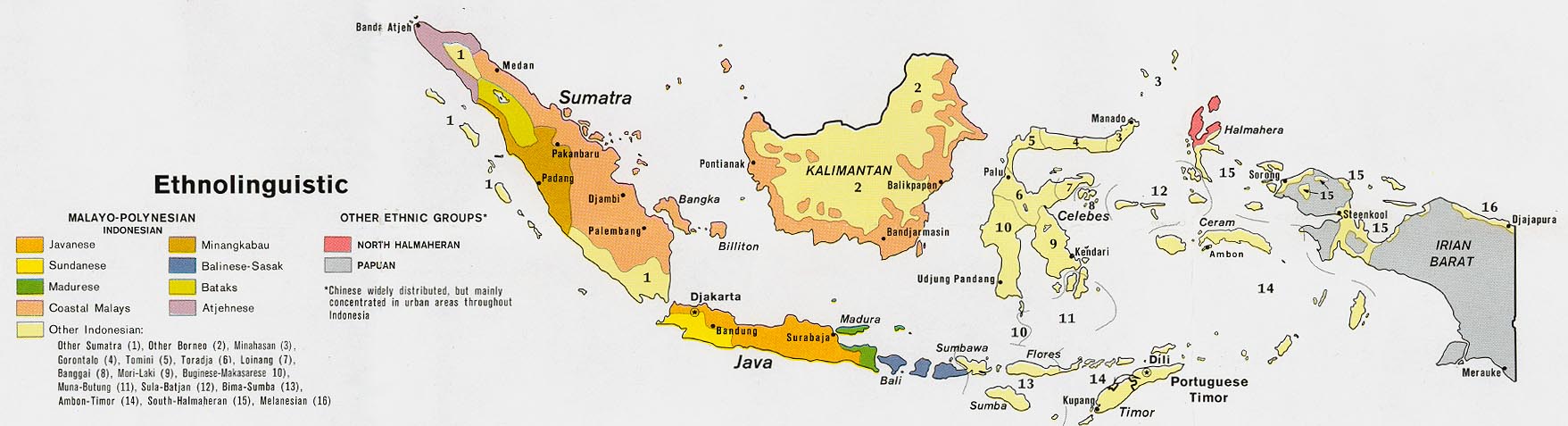
The Yaosakor Asmat are one of the culturally distinct subgroups within the wider Asmat region of South Papua, Indonesia. Their homeland stretches across swampy lowlands and river channels where tides, forest, and waterways shape nearly every aspect of life. Historically, Yaosakor Asmat families lived in scattered settlements that were reachable mainly by canoe, and their community identity centered around extended kinship ties, communal houses, and artistic traditions.
Over generations, they developed elaborate carving styles, oral histories, and rituals that connected them to their ancestors and the natural world. Outside contact increased mainly during the twentieth century through missionaries, government workers, and limited trade, bringing new forms of schooling and healthcare. Although these changes introduced new influences, the Yaosakor Asmat continue to maintain a strong sense of cultural identity rooted in their land, language, and artistic heritage.
Daily life in Yaosakor Asmat communities relies heavily on the forest and river environment. Families gather sago from nearby groves and process it into the starch that forms the main staple of their diet. Fishing, hunting small forest animals, and collecting shellfish or crustaceans add variety to their meals. Canoes remain essential for travel, and men often carve, fish, or work collectively on community projects, while women manage sago preparation, child care, and household tasks.
Family relationships center on extended kin networks, where elders carry authority and younger generations learn by watching and participating in everyday activities. Celebrations often involve feasts, storytelling, dancing, and displays of traditional woodcarving. Artistic expression is one of the most visible aspects of Yaosakor Asmat culture, with carved shields, ancestral poles, and ritual objects representing both creativity and a connection to past generations.
Though some younger people attend school or seek small-scale wage work, many aspects of life still follow traditional patterns shaped by the land and community rhythms. Church gatherings, cultural festivals, and communal labor bring villages together throughout the year.
The Yaosakor Asmat are primarily Christian today, and churches play a significant role in village life. Worship, prayer, and church events have become part of the social fabric, and many families identify strongly with their Christian faith. At the same time, elements of traditional belief continue to influence how some individuals interpret illness, misfortune, and the spirit world. Ancestral memory and respect for unseen forces form part of the cultural worldview inherited from earlier generations, even as Christian teaching grows stronger.
This blending of influences means that some communities are still learning how to fully integrate biblical truth into daily life. Where Christian leadership is present and well-supported, believers are often eager for deeper discipleship, Scripture teaching, and mentorship that can help them understand their faith more clearly. As in many parts of the Asmat region, spiritual growth is an ongoing process shaped by tradition, environment, and the work of the local church.
Access to basic healthcare and clean water remains limited due to the remote nature of Yaosakor Asmat villages. Simple illnesses can become serious when medical resources are far away or transportation is available only by canoe. Educational opportunities vary greatly, leaving some children with limited access to consistent schooling. Reliable economic opportunities are also scarce, and families often depend entirely on subsistence living.
Spiritually, the Yaosakor Asmat would benefit from strong Christian leadership and discipleship resources that connect Scripture to their cultural context. Many believers desire teaching in local languages and mentoring that helps them navigate the tensions between traditional beliefs and Christian faith. Long-term workers who understand their environment and culture can support local churches as they grow.
Community stability would also be strengthened by development efforts that respect Asmat identity while improving water systems, transportation access, and sustainable means of livelihood.
Ask the Lord to provide improved access to medical care, clean water, and safe transportation for isolated families.
Pray for stable and godly leadership in Yaosakor Asmat churches, and for believers to grow in a deep understanding of Scripture and share it with others.
Pray that younger generations will remain rooted in both their cultural identity and in a strong, Christ-centered faith.
Intercede for long-term Christian workers who can serve humbly, support local believers, and help the Yaosakor Asmat become part of the global mission force.
Scripture Prayers for the Asmat, Yaosakor in Indonesia.
https://en.wikipedia.org/wiki/Asmat_people
https://asmat.regency.go.id/
https://en.wikipedia.org/wiki/Asmat_Region
| Profile Source: Joshua Project |