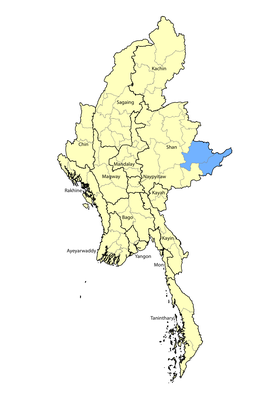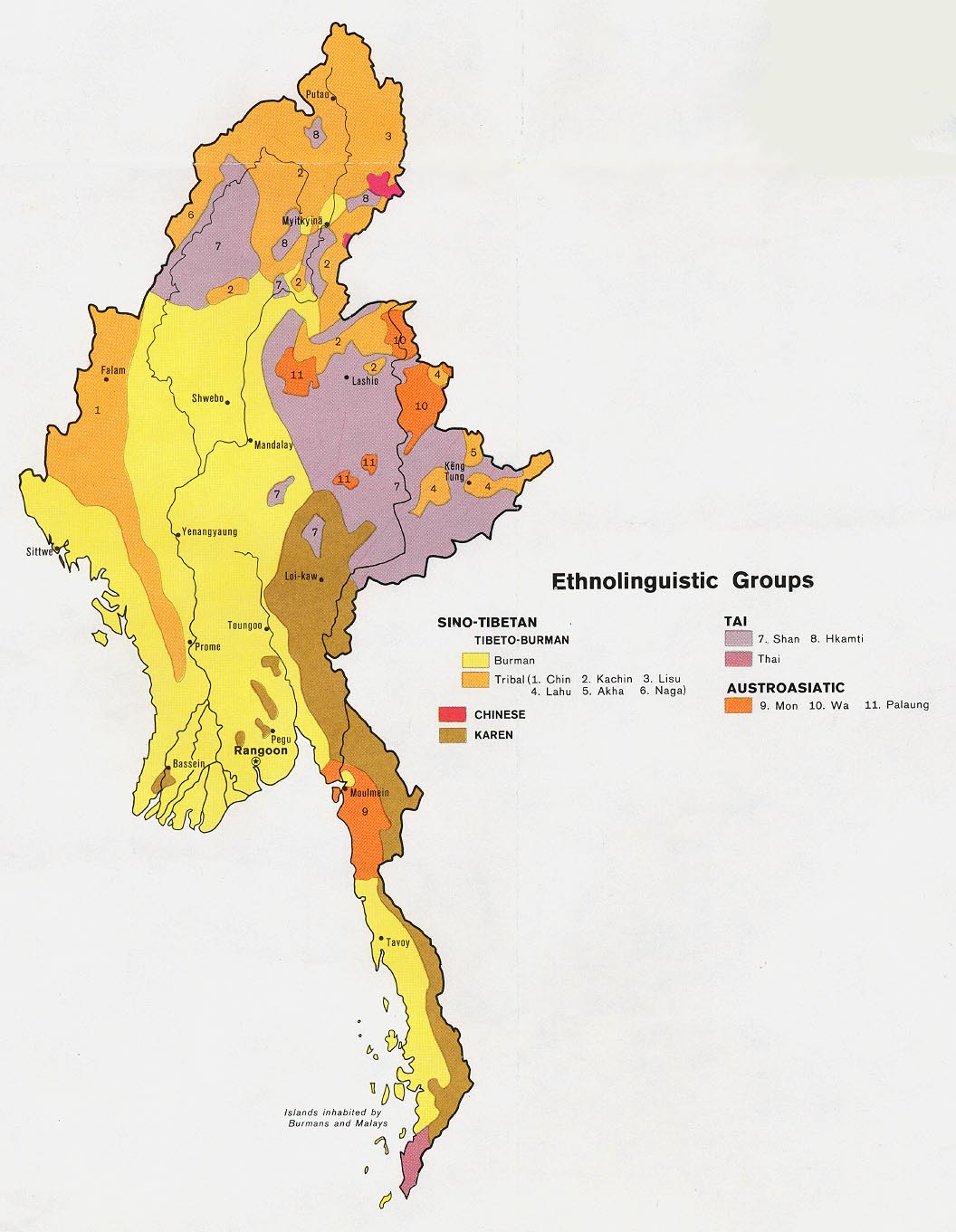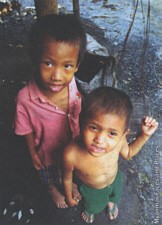

The Tai Loi people inhabit villages in the hills of eastern Shan State, Myanmar, near the borders with Thailand and Laos in the region known as the Golden Triangle. The Tai Loi are believed to be among the earliest inhabitants of the highland regions of eastern Shan State, Myanmar. They settled in remote, mountainous areas, which provided both protection and isolation, allowing them to preserve many of their unique customs and languages. Their communities are primarily found in the townships of Kengtung, Mongping, and Mongla. Identifying the Tai Loi is complex, as their name—meaning "Mountain Tai"—is a cover term for several Mon-Khmer speaking tribes, and "Loi" is the Shan word for "mountain."
Historically, the Tai Loi have lived in close proximity to other ethnic groups such as the Tai Lue, Shan, Akha, and Lu. Given significant cultural and linguistic exchanges, the Tai Loi adopted many elements of Tai dress, agricultural practices, and religion. the Tai Loi remained quite remote from other areas of Myanmar, the construction of roads and increased government presence in the 20th century brought gradual changes, including exposure to Burmese language and education. the Tai Loi have shown resilience in preserving their identity. Today, the Tai Loi continue to maintain their traditional way of life, while also navigating the influences of neighboring cultures and the modern state. The Tai Loi language itself is not part of the Tai linguistic family, but centuries of living alongside Tai-speaking peoples have led to significant linguistic influence. There is considerable dialect variation between Tai Loi villages in Myanmar; most adults also speak Tai Lue while many younger people use Burmese learned at school.
The Tai Loi live in small, scattered villages, with homes typically built from bamboo and wood, thatched roofs, and raised on stilts to protect against flooding and animals. Extended families often live close together, sharing daily responsibilities such as farming, cooking, and childcare. children often help with household and farming tasks from a young age. Agriculture is central to their livelihood, with rice, maize, millet, and vegetables grown on terraced hillsides, and livestock such as pigs, chickens, and goats raised for food and income. In addition to farming, Tai Loi men may hunt or fish in nearby forests and rivers, while women gather wild plants, herbs, and firewood to supplement the family's needs.
Community life is marked by cooperation and mutual support, with neighbors helping each other during planting and harvest seasons, and community events are aligned with the agricultural calendar. Religious and ancestral rituals are important, with ceremonies to honor spirits and seek blessings. The Tai Loi also practice traditions such as paying a bride price and, historically, Education is limited in many villages. Traditional music, dance, and storytelling play a role in preserving their cultural heritage.
The Tai Loi's spiritual life is a blend of Buddhism, animism, and ancestor worship. Influenced by their Tai Lue neighbors, many have adopted Buddhism, but traditional beliefs remain strong. They honor spirits associated with the village, house, trees, forest, sky, and water, and have shamans who lead ceremonies, including an annual ritual at the village spirit house. Ancestor worship is practiced once a year. Although American missionaries first shared the gospel in Kengtung in 1869, Christianity has not taken root among the Tai Loi, and there are no known Christians or Scripture translations in their language, though a Gospel audio recording exists but is rarely used.
The Tai Loi people have significant spiritual needs, particularly access to the gospel in their own language and opportunities for discipleship and fellowship. Living in isolated villages with little exposure to Christian teaching or Scripture, it is difficult for them to hear about Jesus or grow in faith. Culturally sensitive outreach and ongoing encouragement are essential for nurturing any believers and helping the message of Christ become meaningful to them.
Physically, the Tai Loi often face challenges such as limited healthcare, clean water, and educational opportunities. Their reliance on subsistence farming leaves them vulnerable to food insecurity and poverty. Practical support through medical care, clean water projects, and agricultural training can help meet these needs and serve as a tangible demonstration of Christ's compassion.
Pray that the Lord would provide translated scriptures and other Christian teaching resources in the native language of the Tai Loi.
Pray that God would send loving, committed workers to the Tai Loi people who will share the gospel message of Jesus Christ.
Pray that the Lord would stir within the Tai Loi a desire for truth, opening their hearts to embrace Jesus as their Savior.
Pray for the Lord to bless the Tai Loi community in providing them with greater access to quality education, healthcare, and economic opportunities.
Asia Harvest
1 In 1995, a total of 320 Tai Loi people (in 54 families) inhabited three villages in Laos, where they claim to have lived for at least five generations: Joachim Schliesinger, Ethnic Groups of Laos, Vol. 2: Profile of Austro-Asiatic Speaking Peoples (Bangkok: White Lotus Press, 2003), p. 209.
2 See Elizabeth Hall, "On the Linguistic Affliction of Tai Loi," Journal of the Southeast Asian Linguistics Society (Vol 2, No. 10, 2017): https://evols.library.manoa.hawaii.edu/items/f0c51acb-40fb-421a-afb2-d1f0c4efa280
3 William Clifton Dodd, The Tai Race: Elder Brother of the Chinese (Cedar Rapids, IA: The Torch Press, 1923), p.232.
4 Schliesinger, Ethnic Groups of Laos, Vol. 2, p. 211.
5 Schliesinger, Ethnic Groups of Laos, Vol. 2, p. 212.
6 See Josiah Nelson Cushing, The Shan Mission (Boston: American Baptist Missionary Union, 1886), pp. 12-14. After the Cushings initially met with a warm response from the Shan prince and leading officials at Kengtung, the jealous Burmese military commander of the area gathered up all the Christian books, burned them, and issued severe threats to the local people to never inquire into the Christian religion again.
Scripture Prayers for the Tai Loi in Myanmar (Burma).
| Profile Source: Joshua Project |
| Other PDF Profile |