


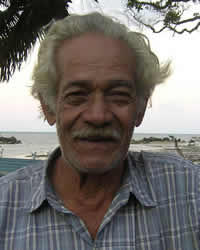

The East Futunan are a Polynesian people group living primarily in New Caledonia, descended from migrants originating on the island of Futuna in the Wallis and Futuna Islands. Over time, migration for labor, education, and economic opportunity led to the formation of East Futunan communities on Grande Terre and surrounding areas. Despite geographic separation from their ancestral island, they have retained a strong ethnic identity centered on language, family ties, and shared history.
Their story is closely linked to seafaring movement and colonial-era labor patterns, particularly during the nineteenth and twentieth centuries. French governance, mission influence, and integration into New Caledonian society introduced new political, social, and religious frameworks. Today, East Futunans maintain a distinct identity while participating fully in the broader cultural life of New Caledonia.
Most East Futunan people live in towns or peri-urban areas, with livelihoods tied to wage labor, government services, construction, transportation, and trade. Education has become increasingly important, and younger generations often pursue schooling as a pathway to employment beyond manual labor.
Food continues to play a central role in community life. Meals often include staples such as taro, yams, rice, and fish, prepared in ways that reflect both Polynesian tradition and modern influences. Communal meals and shared preparation reinforce bonds of mutual responsibility and hospitality.
Family structure is strongly collective. Extended family networks provide emotional, financial, and social support, and elders are honored for their guidance and authority. Important events—weddings, funerals, and religious celebrations—are communal affairs, marked by shared meals, song, and prayer that strengthen communal identity.
Christianity is deeply rooted among the East Futunan and forms the dominant religious framework of the community. Church life—particularly within Catholic tradition—shapes both personal faith and public life. Baptisms, church feasts, prayers, and Christian rites of passage are widely observed and often integrated into major family events.
Faith is expressed corporately, with strong emphasis on participation in church gatherings and respect for religious leadership. For many, Christianity provides moral structure, communal cohesion, and a framework for understanding life's challenges. While Christian identity is well established, personal engagement with Scripture and discipleship may vary, and faith is often experienced primarily through communal practice rather than individual study.
East Futunan communities face practical challenges related to employment security, housing, and the pressures of urban living. Economic dependence on wage labor can create vulnerability during periods of instability, especially for young families.
Spiritually, there is a need for continued biblical teaching and discipleship that deepens understanding of God's Word and nurtures personal faith in Christ. Churches benefit from leaders who are well grounded in Scripture and able to disciple believers across generations. Encouraging younger East Futunans to engage actively with their faith is essential for long-term spiritual health.
Pray for stable employment and provision for East Futunan families.
Ask God to deepen biblical understanding within East Futunan churches.
Pray for young people to grow in personal faith and commitment to Christ.
Ask the Lord to strengthen church leaders as they shepherd their communities.
Scripture Prayers for the Futunian, East in New Caledonia.
https://www.ethnologue.com/
https://www.britannica.com/place/New-Caledonia
https://www.sil.org/resources/publications
| Profile Source: Joshua Project |




