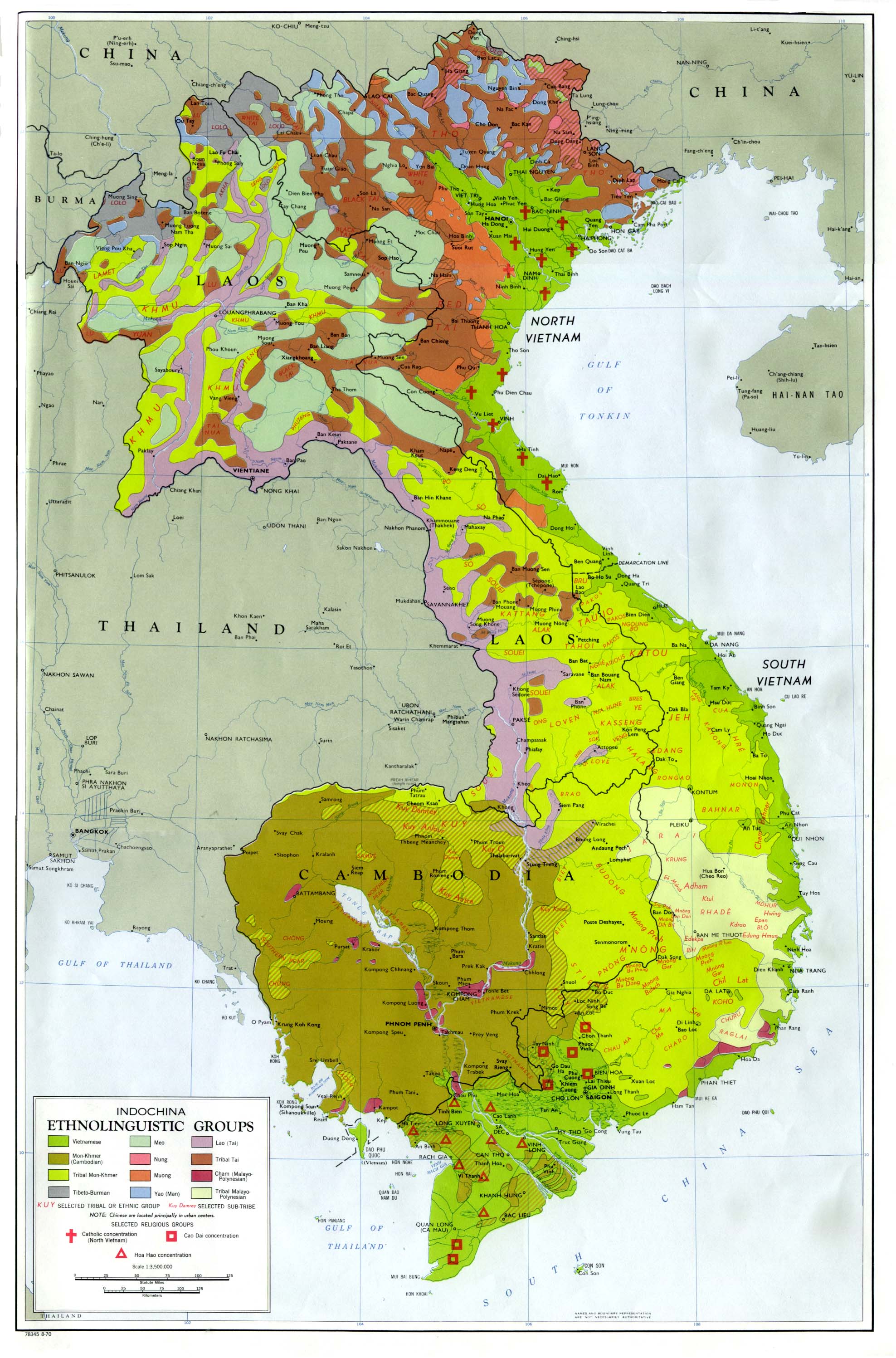

The Layao are a Lao-related ethnic group living in Laos within the broader Lao-Tai cultural world that shapes much of the country. Like other Lao-speaking peoples, the Layao are connected historically to the Tai migrations that moved southward from southern China into mainland Southeast Asia many centuries ago. These migrations eventually formed numerous Tai-speaking kingdoms and communities throughout Laos, Thailand, and neighboring regions.
Historically, Lao-Tai communities settled mainly in fertile river valleys and lowland areas suitable for wet-rice agriculture. This agricultural foundation helped shape their village life, social customs, and political influence throughout Laos. Theravada Buddhism became deeply rooted among lowland Lao peoples over centuries, blending with older animistic beliefs and spirit traditions already present in the region.
The Layao have developed within this larger Lao cultural environment while maintaining their own local identity and community traditions. Like many ethnic groups in Laos, they have been affected by modernization, migration, economic hardship, and social changes connected to urbanization and government development programs.
Many Layao families live in villages and towns where farming, small trade, transportation work, fishing, and labor provide income. Wet-rice cultivation has traditionally been central to Lao-speaking communities because the fertile river valleys of Laos are well suited for rice agriculture. Seasonal planting and harvesting cycles continue to shape village routines and community relationships in rural areas.
Family relationships remain extremely important within Layao society. Extended families often live near one another, and respect for elders strongly influences decision-making and community expectations. Villages traditionally depend on cooperation among relatives and neighbors during farming seasons, weddings, funerals, and religious festivals.
Food commonly includes sticky rice, fish, vegetables, soups, herbs, grilled meats, and spicy sauces typical of Lao cuisine. Sticky rice especially remains a major part of cultural identity and daily meals among Lao-speaking peoples. Community festivals, temple ceremonies, and family gatherings continue to strengthen social relationships and preserve cultural traditions.
Economic conditions vary widely. Some Layao families may benefit from growing tourism and development in Laos, while others continue to face poverty, limited educational opportunities, unstable employment, and restricted healthcare access. Rural villages may also struggle with transportation infrastructure and seasonal isolation.
The Layao primarily follow Theravada Buddhism, which is the dominant religion throughout Laos. Buddhist temples, monks, merit-making ceremonies, and religious festivals play important roles in community life. Many families participate in temple offerings, Buddhist holy days, and ceremonies intended to gain merit and blessing.
At the same time, older animistic beliefs remain deeply woven into Lao spiritual life. Many Layao continue to believe in spirits connected to ancestors, homes, forests, rivers, and local territories. Ceremonies for protection, healing, blessing, and maintaining harmony with spirits are still practiced in many communities. The traditional baci ceremony, which calls protective spirits back to a person for blessing and well-being, remains culturally important among Lao peoples.
Most Layao have had little exposure to a clear biblical explanation of the gospel. In some communities, Christianity may be viewed as foreign or as a threat to traditional culture and family loyalty. There remains a strong need for biblical discipleship rooted clearly in Scripture rather than mixed with Buddhist and animistic beliefs.
The Layao need faithful access to the gospel through Scripture, discipleship, compassionate Christian witness, and long-term relationship-based ministry. Because Buddhist and animistic traditions are closely tied to family identity and village life, individuals interested in following Christ may face social pressure or misunderstanding.
Practical needs include healthcare access, educational opportunities, economic stability, transportation infrastructure, and support for rural communities facing modernization and migration pressures. Younger generations increasingly navigating urban life and social change may also struggle with identity and spiritual uncertainty.
There is a continuing need for spiritually mature Lao-speaking believers who can establish biblically grounded churches and clearly communicate the gospel without syncretism between Christianity, Buddhism, and spirit worship. Audio Scripture, oral Bible teaching, and culturally understandable discipleship materials would greatly strengthen future ministry among the Layao.
Pray that the Layao people will hear a clear and understandable presentation of the gospel in the Lao language.
Pray that God will raise up compassionate Christian workers who are willing to serve faithfully among the Layao communities of Laos.
Pray that the Layao people will be adopted through the People Group Adoption program so that ongoing prayer and future gospel engagement will continue among them.
Pray that Lao believers will grow strong in biblical faith, reject syncretism with Buddhist and animistic traditions, and faithfully share the truth of Jesus Christ with neighboring peoples.
Scripture Prayers for the Layao in Laos.
https://en.wikipedia.org/wiki/Lao_people
https://iwgia.org/en/laos.html
https://camodelcurricula.ucdavis.edu/hmong-history-and-cultural-studies/ethnic-diversity-laos
https://www.rainforestcruises.com/guides/lao-people-and-ethnic-groups-of-laos
https://minorityrights.org/country/laos/
| Profile Source: Joshua Project |