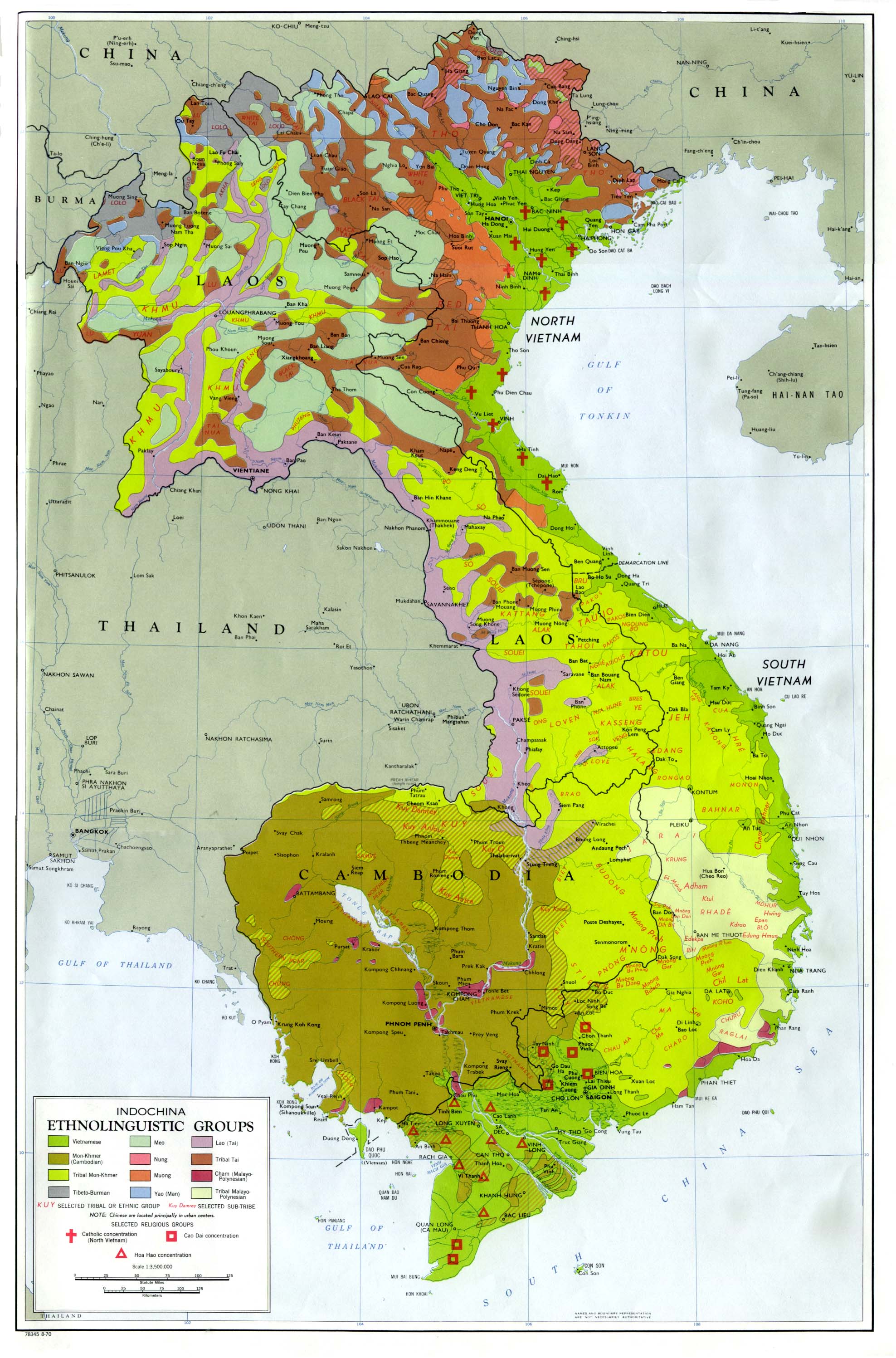

The Lao Mai are a Lao ethnic group living in Laos and are part of the broader Lao-Tai cultural world that dominates much of the country. The term "Lao Mai" is associated with lowland Lao communities connected historically to river valleys, wet-rice agriculture, and Theravada Buddhist culture. Like many Lao groups, they are part of the larger Tai ethnolinguistic family that migrated into mainland Southeast Asia centuries ago from southern China. Over generations, Lao-speaking peoples established kingdoms, farming communities, and trade networks throughout the Mekong River region.
Historically, lowland Lao communities became culturally and politically influential because of their access to fertile river valleys and trade routes. Buddhism, village life, rice farming, and close family relationships shaped their identity for centuries. Laos today remains one of the most ethnically diverse nations in Southeast Asia, with many minority peoples living alongside Lao-speaking populations.
The Lao Mai have been shaped by the broader history of Laos, including the influence of Theravada Buddhism, French colonial rule, regional warfare, Communist government control, and ongoing modernization. Even with social change and migration to urban areas, traditional Lao values centered on family, village cooperation, and religious observance continue to influence daily life.
Many Lao Mai families live in lowland villages, towns, and cities where rice farming, trade, government employment, transportation work, and small business activities provide income. Wet-rice cultivation has historically been central to Lao life because the fertile Mekong River basin supports agriculture well. In rural communities, seasonal planting and harvest cycles still shape village routines and social activities.
Family relationships remain extremely important. Extended families often live near one another, and respect for elders strongly influences decision-making and social expectations. Villages traditionally function through close cooperation among neighbors, especially during farming seasons, construction projects, weddings, funerals, and religious festivals.
Food commonly includes sticky rice, fish, vegetables, herbs, soups, grilled meats, and spicy sauces typical of Lao cuisine. Sticky rice is especially important culturally and is commonly eaten at nearly every meal. Festivals, temple ceremonies, and community gatherings continue to play an important role in maintaining social relationships and cultural identity.
Urbanization and modernization have brought increasing social change. Younger generations often move to cities for education and employment opportunities, while rural communities may still face economic hardship, limited healthcare access, and infrastructure challenges.
The Lao Mai primarily follow Theravada Buddhism, the dominant religion of Laos. Buddhist temples, monks, merit-making ceremonies, and religious festivals play central roles in community life. Many Lao families regularly participate in temple activities, offer food to monks, observe Buddhist holy days, and seek spiritual merit through acts of generosity and religious devotion.
At the same time, traditional animistic beliefs remain deeply woven into Lao spiritual life. Many Lao Mai continue to believe in spirits connected to ancestors, houses, forests, rivers, and local territories. Ceremonies intended to maintain harmony with spirits and protect against misfortune remain common. The traditional baci ceremony, which calls wandering spirits back to a person for blessing and protection, continues to hold strong cultural significance.
Although some Lao people identify as Christian, many Lao Mai have never heard a clear biblical explanation of the gospel. In some places, Christianity may be misunderstood as foreign or culturally threatening. There remains a strong need for biblical discipleship and faithful teaching centered on salvation through Jesus Christ alone.
The Lao Mai need faithful access to the gospel through Scripture, discipleship, compassionate Christian witness, and long-term relational ministry. Because Buddhism and animistic traditions are deeply tied to Lao identity and family life, individuals who become interested in following Christ may face social pressure or misunderstanding.
Practical needs include healthcare access, educational opportunities, economic stability, and support for rural communities facing poverty and migration pressures. Younger generations navigating modernization and urbanization also face growing social and spiritual uncertainty.
There is a continuing need for spiritually mature Lao-speaking believers who can establish biblically grounded churches and clearly communicate the gospel without syncretism between Christianity, Buddhism, and spirit practices. Audio Scripture, oral Bible teaching, and culturally understandable discipleship resources would greatly strengthen ministry among Lao-speaking peoples.
Pray that the Lao Mai people will hear a clear and understandable presentation of the gospel in the Lao language.
Pray that God will raise up compassionate Christian workers who are willing to serve faithfully among the Lao Mai communities of Laos.
Pray that the Lao Mai people will be adopted through the People Group Adoption program so that ongoing prayer and future gospel engagement will continue among them.
Pray that Lao believers will grow strong in biblical faith, reject syncretism with Buddhist and animistic traditions, and faithfully share the truth of Jesus Christ with neighboring peoples.
Scripture Prayers for the Lao Mai in Laos.
https://en.wikipedia.org/wiki/Lao_people
https://iwgia.org/en/laos.html
https://www.rainforestcruises.com/guides/lao-people-and-ethnic-groups-of-laos
https://en.wikipedia.org/wiki/List_of_ethnic_groups_in_Laos
https://camodelcurricula.ucdavis.edu/hmong-history-and-cultural-studies/ethnic-diversity-laos
| Profile Source: Joshua Project |