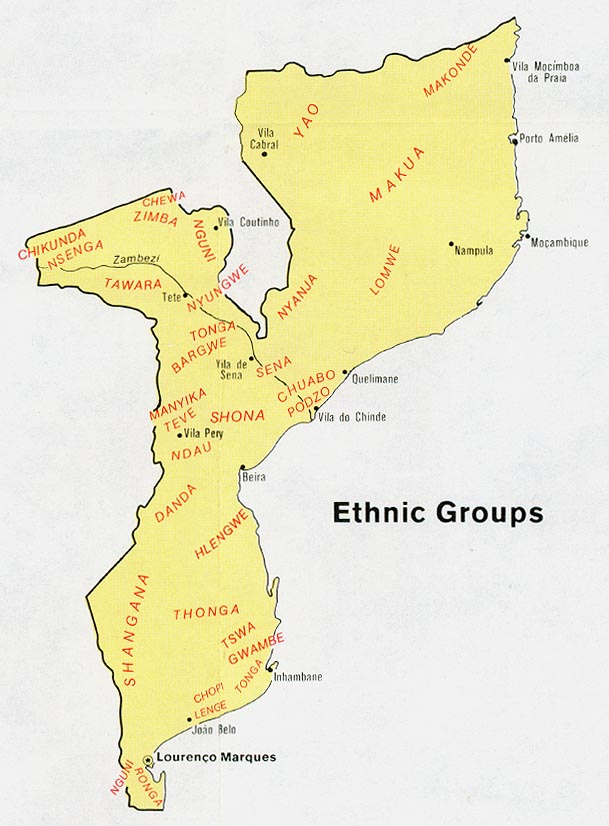
The Maindo people live in northern Mozambique, primarily within the Cabo Delgado Province along coastal plains and nearby inland areas. They speak the Maindo language, part of the Bantu language family, which connects them linguistically to numerous other Central and East African groups. Historically, communities in this region engaged in fishing, small-scale agriculture, and trade along inland routes and coastal lagoons long before colonial-era boundaries were drawn. Their cultural identity has been shaped by both local traditions and interactions with neighboring peoples and broader regional influences.
Daily life among the Maindo is grounded in extended family networks and community cooperation. Subsistence agriculture provides much of their food supply, with families cultivating staples such as cassava, maize, beans, and vegetables on small plots near villages. Fishing in rivers, coastal inlets, and seasonal lagoons supplements household diets, and small market trading contributes to local exchange. Social life is influenced by family ties, shared labor, and customary celebrations that bring communities together, including music and dance during weddings, harvest occasions, and other cultural events. Younger generations often learn multiple languages for schooling and commerce, including Portuguese and local lingua francas that enable wider participation in regional life.
Christianity is the primary religious identity for many Maindo, with churches present in local communities and church life shaping regular rhythms of worship, teaching, and fellowship. Access to portions of Scripture or Christian teaching materials in languages understood locally supports spiritual formation and discipleship. Traditional cultural beliefs relating to ancestors, the unseen, and local spiritual customs continue to influence worldview and community expressions for some, particularly in rural settings. For many individuals and families, Christian belief and cultural identity coexist, influencing how life events, moral choices, and community relationships are interpreted.
Despite strong identification with Christianity, many Maindo believers need deeper biblical discipleship and leadership development that equips them to apply Scripture in everyday life, family relationships, and community decision-making. Pastors, teachers, and lay leaders would benefit from ongoing training, mentorship, and access to Scripture resources that resonate with the Maindo cultural context. Support for sustainable agriculture, education, and community development can also strengthen families and create stable environments in which spiritual growth can flourish.
Pray that Maindo believers will deepen their understanding of Scripture and grow in Christlike obedience in daily life.
Pray for local pastors, teachers, and leaders to be equipped with wisdom and compassion in shepherding their communities and those outside of their communities.
Pray for love and peace within families, clans, and village networks that reflect the love of Christ.
Pray for youth and young adults to be grounded in faith and confident in their witness amid changing social conditions.
Pray that the Maindo church will be empowered to share the gospel with people who have limited access to Scripture.
Scripture Prayers for the Maindo in Mozambique.
https://www.ethnologue.com/language/myn
https://peoplegroups.org/people_groups/pg014997/
| Profile Source: Joshua Project |