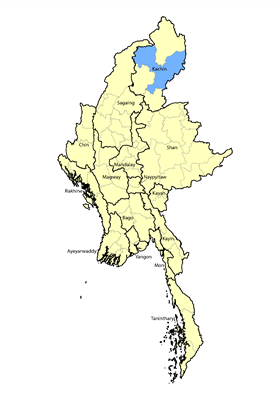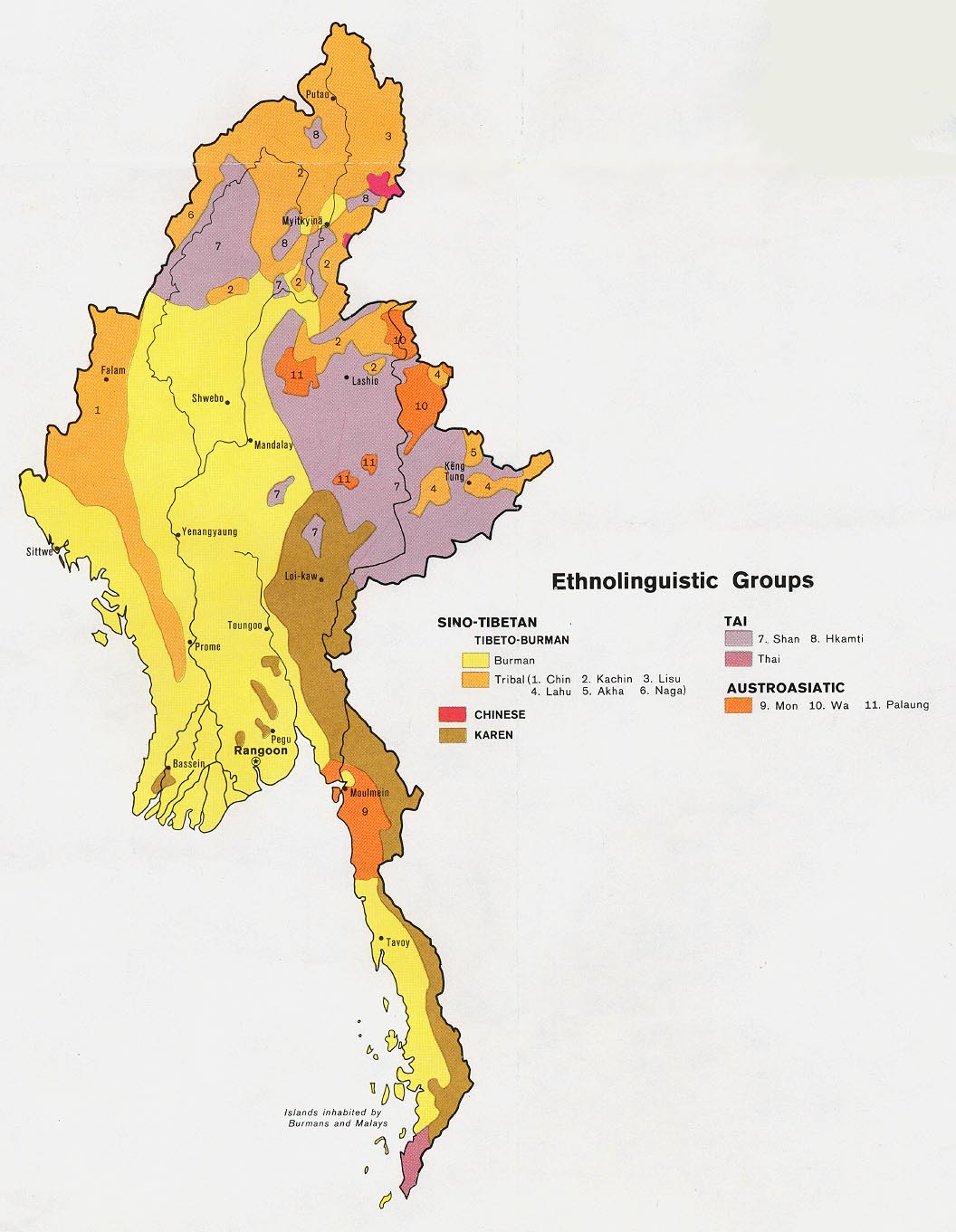

Members of the Nusu tribe live in Kachin State near the northern tip of Myanmar where the country forms a triangular intersection with India and China. They inhabit 22 villages in mountainous, jungle-like areas in Chipwi and Hsawlaw townships within Myitkyina District. People in the area grow walnuts, apricots and other fruit, while Chinese companies mine rare earth minerals in the Panwa area. In addition, Nusu people are located across the border in China's Yunnan Province, with a small number spilling over into the southeastern corner of Tibet.
In China, Nusu is often thought to be an alternative name for the Nu minority group, in the most recent Chinese census and is one of China's 56 officially recognized ethnic groups. This is a misunderstanding. In China the Nusu are just one of five groups (along with the Anong, Ayi, Drung and Zauzou) that government bureaucrats have combined to form the Nu minority group. A researcher explains: "Those Nu living in the upper reaches of the Nujiang River call themselves either Nu or Anu. Those living in the lower reaches call themselves Nusu. Together, they have been combined with several smaller tribes to form the official Nu nationality."
In the past, the Nusu kept records by carving notches on wood and were considered a primitive tribe. Today, scholars have placed the Nusu language in the Central Ngwi branch of the Tibeto-Burman family—making Nusu the only vernacular spoken in Myanmar within that classification. Although Nusu people are often thought to be the same as the Anong and Drung, those two languages are part of the separate Nungish linguistic branch. The three Nusu dialects spoken in Myanmar reportedly have major vocabulary differences. Linguists describe Nusu as "threatened" and note that while many rural villages still use their mother tongue, the number of overall speakers is decreasing as many communities shift toward speaking Lisu. Nusu people in Kachin State can also speak Burmese as a second or third language.
For centuries the Nusu were bullied by the Lisu, who enjoyed raiding Nusu villages and imposing superfluous taxes on them to keep the people impoverished. After most Lisu converted to Christianity, however, the former bullies have become a blessing to their Nusu neighbors and have been instrumental in leading many of them into the Christian faith.
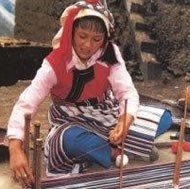
The traditional clothing of Nusu women generally consists of "linen or cotton tunics with sleeves which are buttoned on the left, and long skirts. The young girls often wear aprons over their tunics, and they like to wear?necklaces?strung with colored plastic beads. Some wear head or chest ornaments with strings of coral, agate, shells, and silver coins…. Almost every man wears a string of coral on his left ear and hangs a machete from the left side of his waist. When they go out, they often carry machetes, bows, and arrow bags made from animal felt. They wear black turbans wrapped around their heads, though they tend to keep ear-length haircuts."
While some Nusu in China are Tibetan Buddhists due to the influence of Khampa Tibetans in their area, the Nusu in Myanmar were animists who made animal sacrifices to a host of deities during several festivals each year. Although many Nusu still adhere to the traditions of their forefathers, influence from the Lisu means that most Nusu in Myanmar today are Christians.
The first Catholics worked in the Nusu area in China in the mid-19th century, with Protestants serving in the Upper Salween River area during the first half of the 20th century until they were forced to leave. Portions of the Bible were translated into Nusu in 2010, and as this book was going to print the Nusu Bible was nearing completion and is expected to be available before the end of 2026.
They will need wide distribution of their new Bible.
Pray that Nusu people will read and heed the word of God.
Pray for the Holy Spirit to revive their churches, giving them a passion for Christ and his ways.
Pray that Nusu Christ followers will make a point of being Christ's ambassadors to the Buddhists in Myanmar and China.
Scripture Prayers for the Nu in Myanmar (Burma).
Asia Harvest, Copyrighted 2026 © Used with permission
| Profile Source: Joshua Project |
| Other PDF Profile |