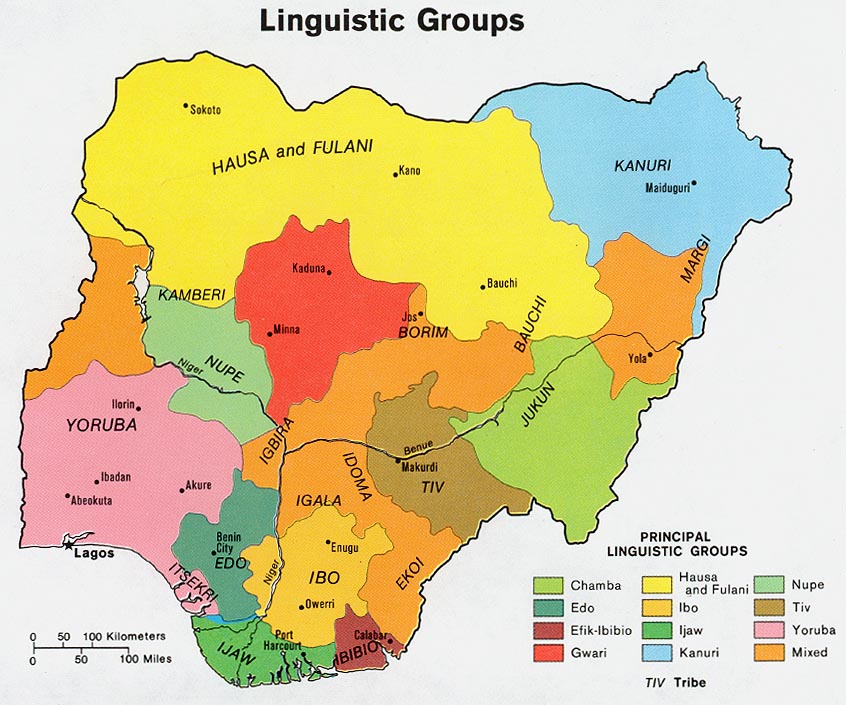

The Tsivadi Avadi—also known as Avadi or Abadi—are an indigenous ethnic group living primarily in Niger and Kebbi States of northwestern Nigeria. They speak Tsuvadi, a language rooted in their cultural identity and daily communication. Their communities are concentrated in rural areas across Magama, Kontagora, Mariga, and Rijau LGAs, with an additional presence in Ngaski LGA.
While detailed written histories of the Tsivadi Avadi are limited, their long?standing presence in this region is marked by agricultural traditions, clan?based social structures, and a cultural reliance on community elders. Their history reflects continuity rather than large?scale migration, emphasizing generational stability in farming villages.
The Tsivadi Avadi are primarily farmers, working long hours in their fields and relying on the land for food and livelihood. Men typically labor in the fields from morning until evening, while women manage household responsibilities, support agricultural labor, and participate in local markets.
Families tend to be elder?led, with older men and women holding significant authority over decisions about marriage, residence, religious practice, and work. Education is often discouraged, as traditional norms view formal schooling as unnecessary or even harmful, creating barriers for younger generations seeking new opportunities.
Celebrations among the Tsivadi Avadi often revolve around seasonal cycles, harvest periods, clan gatherings, and rites of passage. Their communal life reflects a strong cultural emphasis on discipline, respect for elders, and adherence to long?standing customs.
The primary religious identity among the Tsivadi Avadi is ethnic or traditional religion. These traditional beliefs guide social structure, moral expectations, and community rituals. Some individuals also follow Islam, as reflected in broader regional patterns.
Christianity has a presence among them, and recent efforts to translate Scripture into the Tsuvadi language have increased access to the gospel. Local believers and church partnerships are working to make portions of the New Testament and other discipleship materials available to the community. When the gospel takes root, pray that these believers will become part of the gospel force reaching neighboring groups with little Christian influence.
The Tsivadi Avadi need improved educational access, especially for youth who face cultural pressure not to pursue schooling. They also need greater economic stability, agricultural support, and easier access to healthcare in rural areas where services are limited.
Spiritually, they need Scripture resources in Tsuvadi, continued translation work, and discipleship training that resonates with their cultural context. They also need peace and mutual understanding where traditional beliefs and emerging Christianity interact within families.
Pray for ongoing translation and distribution of Scripture in the Tsuvadi language, enabling more people to hear and understand God's word.
Ask God to strengthen local believers so they can grow in maturity and become a gospel influence among unreached neighboring groups.
Pray for improved access to education, healthcare, and sustainable farming resources for Tsivadi Avadi families.
Pray for wisdom and peace within households where traditional beliefs and Christian faith intersect.
Scripture Prayers for the Avadi, Tsivadi in Nigeria.
https://www.wycliffe.org/Main%20Uploads/Projects/PDF/Tsuvadi%20Profile%20WEB.pdf
https://music.amazon.com/podcasts/b0a7d723-5094-48b5-85c8-bf3f872a5ee2/episodes/b69f458a-7d21-45ef-a736-97952b451618/kalmomin-rayuwa-bishara-wa?o?in-linjila---a-najeriya
| Profile Source: Joshua Project |