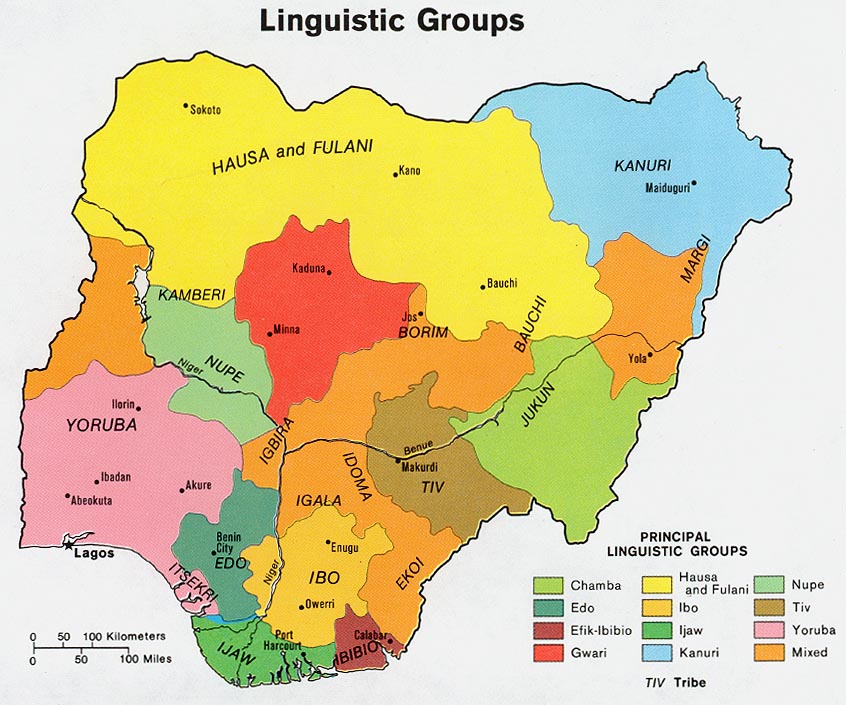
The Wom people are an indigenous ethnic group living primarily in the central highland regions of Nigeria and neighboring Cameroon. Their homeland is characterized by rocky hills, fertile valleys, and streams that have shaped settlement patterns over many generations.
The Wom trace their history through oral traditions that emphasize ancestral origins, migrations within the region, and the establishment of distinct clans tied to specific territories. Historically, the relative isolation of their mountainous environment helped preserve their language and cultural identity. Over time, increased contact with neighboring peoples, colonial administration, and modern Nigerian society has brought new influences while many traditional structures remain in place.
Most Wom families depend on subsistence farming as the foundation of daily life. Crops such as yams, grains, and vegetables are grown on small plots, using family labor and simple tools. Some households keep goats, chickens, or other small livestock to supplement their food supply and income. Market days provide opportunities for trade, social interaction, and the exchange of news.
Family life is organized around extended kinship networks. Elders hold significant authority and guide decisions related to land use, marriage, and conflict resolution. Marriage is seen as a union between families rather than just individuals, and children are highly valued as a sign of continuity and blessing. Daily responsibilities are shared, with men and women each contributing to farming, household management, and community obligations.
Celebrations often center on seasonal cycles, life milestones, and community festivals. These events include music, dancing, storytelling, and communal meals. Food commonly consists of pounded or boiled root crops served with vegetable-based soups, sometimes accompanied by meat on special occasions. Shared meals and celebrations strengthen bonds and reinforce a sense of belonging.
Many Wom have been exposed to Christianity through schools, nearby churches, or personal relationships, but traditional beliefs remain influential. Spiritual identity is often communal, and decisions about faith are shaped by family expectations and cultural loyalty. Understanding of biblical teaching is limited for many.
The Wom community faces ongoing challenges related to limited infrastructure, access to quality education, and healthcare services. Environmental pressures and economic constraints make it difficult for families to move beyond subsistence living. Young people often wrestle with balancing respect for tradition while navigating modern influences and opportunities.
Access to the message of Jesus Christ in culturally meaningful ways remains limited. Scripture in the heart language, sustained discipleship, and the development of local believers who can articulate their faith within Wom culture are essential. Strengthened families, reconciliation within communities, and the emergence of leaders committed to serving others are also important needs.
Pray that the Wom people would experience God's blessing through peace, provision, and strengthened family life.
Ask the Lord to reveal Jesus Christ clearly as the source of truth, healing, and hope.
Pray for those among the Wom who have encountered the gospel to grow in maturity and courage, becoming part of the mission force to their own people and beyond.
Intercede for improved access to education, healthcare, and sustainable livelihoods.
Pray for workers, prayer partners, and local believers who will serve with love, humility, wisdom, and long-term commitment among the Wom.
Scripture Prayers for the Wom in Nigeria.
https://www.britannica.com/place/Nigeria
https://www.ethnologue.com
| Profile Source: Joshua Project |