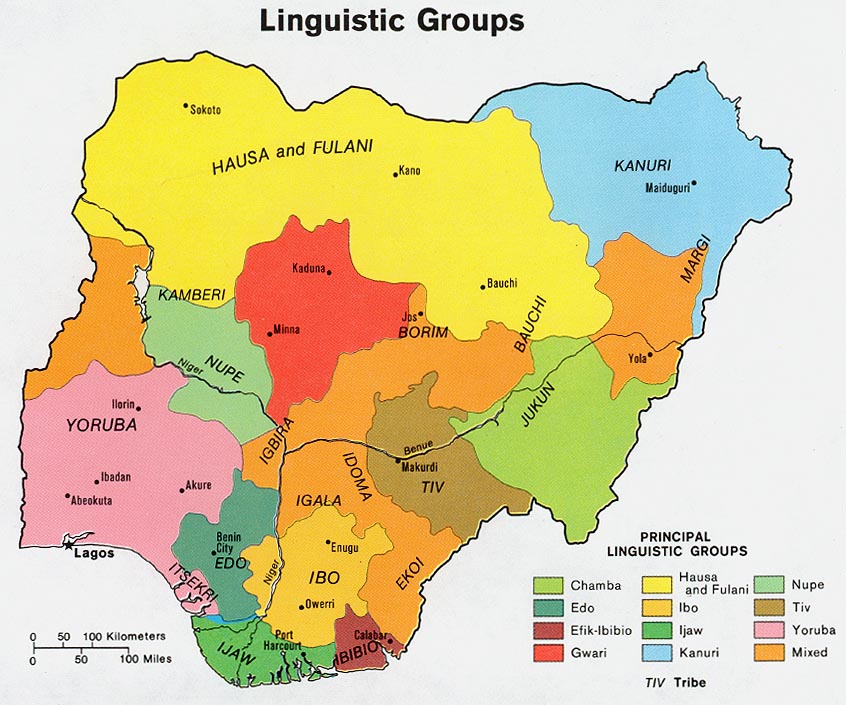
The Western Mbube live in southeastern Nigeria, primarily in Cross River State, in a landscape of forested hills, fertile valleys, and scattered rural communities. They are part of the wider Mbube cultural grouping, with a shared linguistic heritage that links them to neighboring peoples while still marking a clear local identity. Their language remains an important carrier of family history, social values, and traditional understanding.
Over time, the Western Mbube have interacted closely with surrounding Nigerian society. Trade, migration, education, and church activity have all shaped community life. While these influences brought change, the Western Mbube have retained strong local roots, expressed through extended family ties and a sense of belonging to land and community.
Life among the Western Mbube is shaped by family, land, and daily work. Many households depend on farming, cultivating crops suited to the region's climate and soil. Small?scale trade and local employment supplement agricultural life, especially for younger adults balancing village responsibilities with wider economic demands.
Families tend to be closely connected across generations. Children grow up surrounded by relatives, learning responsibility and cooperation early. Elders are respected for their guidance and their role in maintaining social harmony. Meals are often shared, reinforcing bonds of mutual care.
Community life includes gatherings for family milestones, seasonal work rhythms, and church activities. Weddings, funerals, and religious celebrations bring people together, serving as moments for encouragement, reflection, and shared identity.
Christianity is prominent among the Western Mbube and plays a visible role in shaping community life. Churches are active, and many people are familiar with Christian teaching, prayer, and worship. The message of the gospel has influenced moral expectations, family life, and communal responsibility.
Alongside this Christian foundation, elements of traditional belief remain part of how some interpret life events, especially illness, misfortune, or uncertainty. These older perspectives reflect a worldview in which spiritual forces are believed to affect everyday outcomes. For many, Christian faith and traditional understanding exist side by side, creating an ongoing need for discipleship that helps faith rest fully in Christ alone.
The Western Mbube face practical challenges related to education, healthcare access, and economic opportunity, particularly in rural areas. Young people often carry the tension of honoring family life while navigating changing social expectations.
Spiritually, the Western Mbube community benefits from continued biblical teaching that deepens understanding of the gospel and clarifies trust in Jesus Christ rather than fear?based spiritual explanations. Churches need well?prepared leaders who can teach Scripture faithfully and walk patiently with believers toward maturity. With a strong Christian presence already established, there is real opportunity for the Western Mbube church to grow in depth and to become increasingly involved in sharing the gospel beyond their own communities.
Pray for wisdom and stability for Western Mbube families.
Ask God to deepen biblical understanding and spiritual maturity among believers.
Pray for church leaders to be strengthened in teaching and pastoral care.
Ask the Lord to help believers place full confidence in Christ alone.
Pray that the Western Mbube church will participate actively in God's mission.
Scripture Prayers for the Mbube, Western in Nigeria.
https://en.wikipedia.org/wiki/Mbube_language
https://www.britannica.com/place/Cross-River
https://www.britannica.com/place/Nigeria
| Profile Source: Joshua Project |