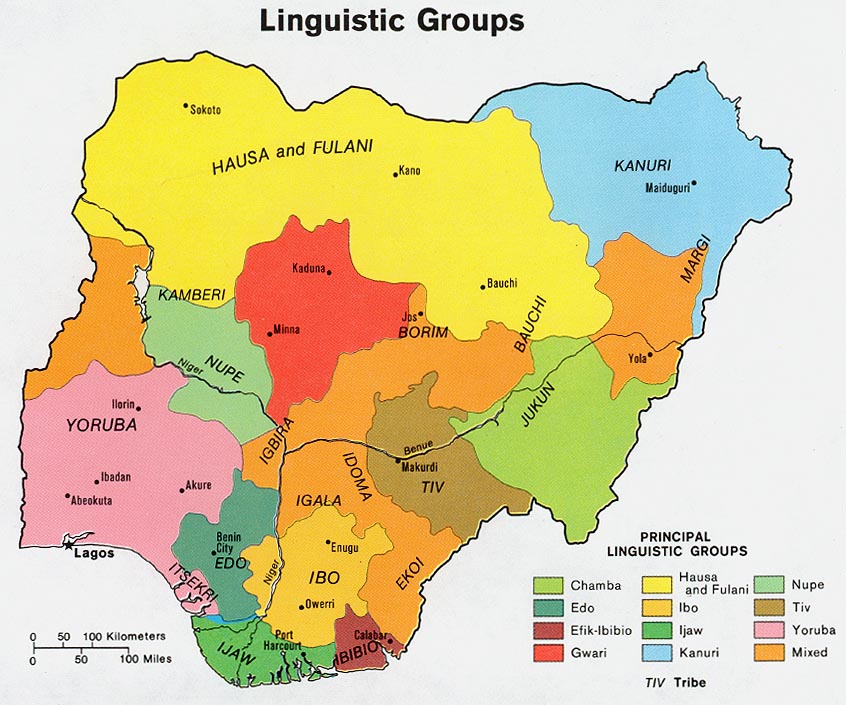
The Piti, also known as the Abisi or Bisi, are a small indigenous people group living in the Saminaka area of Kaduna State in north-central Nigeria, nestled in the broad savanna woodland terrain of what is historically known as the southern fringe of the Zaria (Zazzau) Emirates zone. Their villages, spread across the hills and plains of the region, lie along the corridor between the Jos Plateau to the east and the Niger River lowlands to the west — a geographic zone that has for centuries served as a borderland between the Hausa-Fulani emirate cultures of the north and the smaller ethnic communities of the central Nigerian Middle Belt. The Piti speak the Abishi language, also called Bishi or Piti, an indigenous tongue classified within the Kainji branch of the Benue-Congo language family. The language has at least 26 village communities of speakers, with the Riban dialect being the primary variant. For much of their pre-colonial and colonial history, the Abisi lived under the pressure of the Zaria Emirate, paying tribute in goods and enduring slave raids that shaped their social organization and settlement patterns. The 19th-century Fulani jihad and the subsequent consolidation of the Sokoto Caliphate intensified this pressure, and the Abisi learned to navigate a posture of nominal subordination while preserving their cultural identity in their own language and customs. British colonial administration introduced indirect rule through the Emirate structure, which continued to exert formal and informal authority over the Piti. In the post-independence era, they have been absorbed into the administrative framework of Kaduna State. Christian mission activity eventually reached their community and has taken meaningful root, making the Piti one of many predominantly Christian minority peoples of southern Kaduna.
Life for the Piti revolves around subsistence farming in a seasonal savanna climate that divides the year into a rainy growing season and a hot, dry season when the land turns brown and trade becomes more active. Sorghum — locally known as guinea corn — and millet are the primary staple crops, forming the foundation of the Piti diet. Women are skilled at fermenting millet to produce a nutritious grain porridge and a traditional low-alcohol beverage used both in daily consumption and in ceremonial contexts. Guinea fowl, bush meat from hunting, and goat provide protein, and local vegetables, wild honey, and seasonal produce round out a diet tied closely to what the land provides. Farming with hand tools, particularly the hoe, remains central to daily work life, and communal labor groups formed along age-grade lines help households tackle large agricultural tasks together. The Piti organize community life through a well-developed age-grade system in which young men and women pass through recognized social stages, each carrying specific responsibilities for communal labor, ceremony, and social order. Chiefs known by the title Sarkin Piti carry traditional authority within the community, functioning as intermediaries between the Piti and outside governing structures as they have for generations.
Marriage customs among the Abisi are notably complex, with multiple recognized forms including arrangements based on family alliance, love matches, bride-service (in which a groom works for his in-laws), and a ceremonially elaborate form sometimes described as bride capture — a ritualized ceremony that is socially prescribed but not coercive. Kaduna State, including the Saminaka area, has suffered from recurring bandit attacks and communal violence in recent years, and the Piti community is not immune to the insecurity, economic disruption, and grief these conflicts bring.
Most of the Piti identify as Christians, with churches established in their community reflecting the fruit of mission work in southern Kaduna over the past century. The Christian faith has become a genuine part of Piti communal identity, shaping social life and providing a framework of meaning that coexists with the rhythms of farming life. A significant minority of the community, however, continues to practice traditional ethnic religions rooted in indigenous spiritual categories — including veneration of ancestors, propitiation of nature spirits associated with the land and rain, and the ritual use of millet beer and libations to communicate with spiritual forces. The practice of calling out to spiritual beings for rain, known among the Abisi as Mikosira, is one example of indigenous religious life that has persisted alongside Christian faith. As in many communities across the Nigerian Middle Belt, traditional religious practice and nominal Christianity can coexist in ways that blur the lines of genuine biblical discipleship.
Security is one of the most pressing needs facing the Piti and their neighbors, as persistent banditry and communal conflict in Kaduna State have displaced communities, disrupted agricultural cycles, and brought grief and fear to families across the region. Access to clean water and reliable healthcare remains limited in many rural communities of the Saminaka area, and children who fall ill face real barriers to treatment.
The ongoing Bible translation work in the Abishi language is a vital spiritual resource that requires prayer, funding, and the development of literacy programs so that completed scriptures can actually be read and taught in local communities.
The Piti church's ongoing need is for believers to be grounded in the living Christ as the one who truly hears prayer, governs the seasons, and heals the land — replacing dependence on traditional spiritual mediation with the confidence that comes from knowing the God who makes himself known in scripture.
Pray for peace and physical security across Kaduna State, asking God to protect Piti families from bandits and communal violence, and to raise up just governance that defends the vulnerable.
Ask the Lord to accelerate and sustain the Abishi Bible translation effort, and to raise up literate readers and teachers who will bring the completed word of God to life in Piti homes and churches.
Pray that the significant Christian community among the Piti would grow in the depth of their faith — moving beyond nominal affiliation toward genuine discipleship in which the living Christ replaces every form of traditional spiritual dependence.
May the Piti church catch a vision for the many unreached peoples of their own region and beyond.
Scripture Prayers for the Piti in Nigeria.
https://pitiabisi.wordpress.com/
https://pitiabisi.wordpress.com/2016/09/22/25-abisi-and-food-taboos/
https://pitiabisi.wordpress.com/2022/01/20/riding-a-hausa-horse/
https://en.wikipedia.org/wiki/ISO_639:pcn
https://en.wikipedia.org/wiki/Southern_Kaduna
https://en.wikipedia.org/wiki/Kaduna_State
https://www.britannica.com/place/Kaduna-state-Nigeria
https://globalrecordings.net/en/language/pcn
| Profile Source: Joshua Project |