


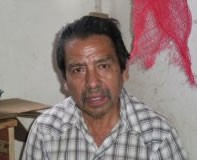

The Xicotepec de Juárez Totonaca are one of the regional groups of the larger Totonac people of eastern Mexico. They live primarily in the Sierra Norte of Puebla, especially in and around the municipality of Xicotepec de Juárez, with some communities extending into neighboring areas of Veracruz. Their
language, Xicotepec Totonac, is one of several distinct Totonacan languages that continue to be spoken today and remains an important expression of their cultural identity.
The ancestors of the Totonaca peoples developed a rich civilization in the Gulf Coast and adjacent mountain regions long before the arrival of the Spanish. The broader Totonac culture is closely associated with the ancient region of Totonacapan and with important pre-Columbian centers such as El Tajín. The Xicotepec region itself has a long history of Indigenous settlement and was influenced by several Mesoamerican cultures before becoming part of the Spanish colonial system in the sixteenth century. Despite centuries of outside influence, the Xicotepec Totonaca have preserved their language and many traditional customs.
Today, the Xicotepec de Juárez Totonaca continue to balance their Indigenous heritage with participation in modern Mexican society. Many families remain deeply connected to their ancestral communities while adapting to changing economic opportunities, education, and increased interaction with Spanish-speaking society. Their language and cultural traditions continue to provide a strong sense of identity, although younger generations increasingly experience pressures toward cultural assimilation.
The Xicotepec de Juárez Totonaca generally live in rural towns and villages nestled in the mountains of northern Puebla. Agriculture remains an important part of daily life. Families commonly cultivate corn, beans, squash, and chili peppers, while coffee has become an important cash crop in many communities because of the region's favorable climate. Depending on local conditions, some families also raise small livestock or grow fruit for household use or local markets.
Family relationships and community cooperation are highly valued. Extended families often work together during planting and harvest seasons, and neighbors assist one another during important community projects and celebrations. Local markets, festivals, and religious observances provide opportunities for families to maintain longstanding relationships while passing cultural traditions to younger generations.
Traditional Totonac customs remain visible in music, dance, storytelling, handicrafts, and community celebrations. Many adults continue to speak Totonac at home, while Spanish is commonly used in schools and public life. The existence of a well-developed grammar and dictionary for the Xicotepec Totonac language reflects ongoing efforts to preserve and strengthen the language for future generations.
Most Xicotepec de Juárez Totonaca identify as Christians, with Roman Catholicism being the largest religious tradition. Church festivals, celebrations of patron saints, Holy Week, Christmas, and other events are important parts of community life and often bring entire villages together.
Alongside Christian practices, some traditional Indigenous beliefs continue to influence the worldview of many people. As in other Totonac communities, ancient concepts concerning the spiritual world, the land, healing, and agricultural ceremonies have often been blended with Christian observances. In some communities, traditional rituals connected with planting and harvesting continue to reflect a desire for God's blessing while also preserving older cultural customs.
Evangelical churches are also present within the region. Believers who follow Christ seek to express biblical faith in ways that respect their language and culture while encouraging a clear understanding of the gospel. Continued discipleship and access to biblical teaching in the Totonac language remain important for helping believers mature in their faith.
The Xicotepec de Juárez Totonaca would benefit from continued opportunities to preserve their language and cultural heritage. Although the Totonac language is still spoken, Spanish increasingly dominates education, media, and business. Literacy materials, educational resources, and Christian literature in the Totonac language can help strengthen both cultural identity and biblical understanding.
Like many Indigenous communities in rural Mexico, some families face economic challenges that encourage migration in search of employment. These changes can affect family unity and make it more difficult for younger generations to maintain close connections with their language and traditions. Strong local leadership and healthy community relationships can help address these challenges.
Spiritually, there is an ongoing need for mature, biblically grounded churches led by well-equipped Indigenous believers. Local pastors, teachers, and Christian leaders who minister in the Totonac language can help churches become spiritually healthy and self-sustaining. As the church continues to mature, Xicotepec de Juárez Totonaca believers can become an effective witness to neighboring Totonac groups and other Indigenous peoples throughout the Sierra Norte of Puebla.
Pray that the Xicotepec de Juárez Totonaca would continue to preserve their language and cultural heritage while growing in their understanding of God's word.
Pray that believers would become firmly grounded in Scripture and grow in spiritual maturity through faithful discipleship.
Pray that God would raise up Indigenous pastors, teachers, and Christian leaders who can faithfully shepherd churches in the Totonac language.
Pray that the Xicotepec de Juárez Totonaca church would become a strong missionary influence among less reached communities of Mexico.
Scripture Prayers for the Totonaca, Xicotepec de Juarez in Mexico.
https://mexico.sil.org/resources/archives/3823
https://mexico.sil.org/resources/archives/10925
https://mexico.sil.org
https://www.inali.gob.mx
https://www.britannica.com/topic/Totonac
https://www.gob.mx/cultura
https://en.wik
| Profile Source: Joshua Project |



