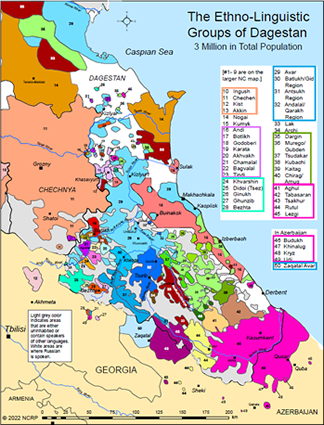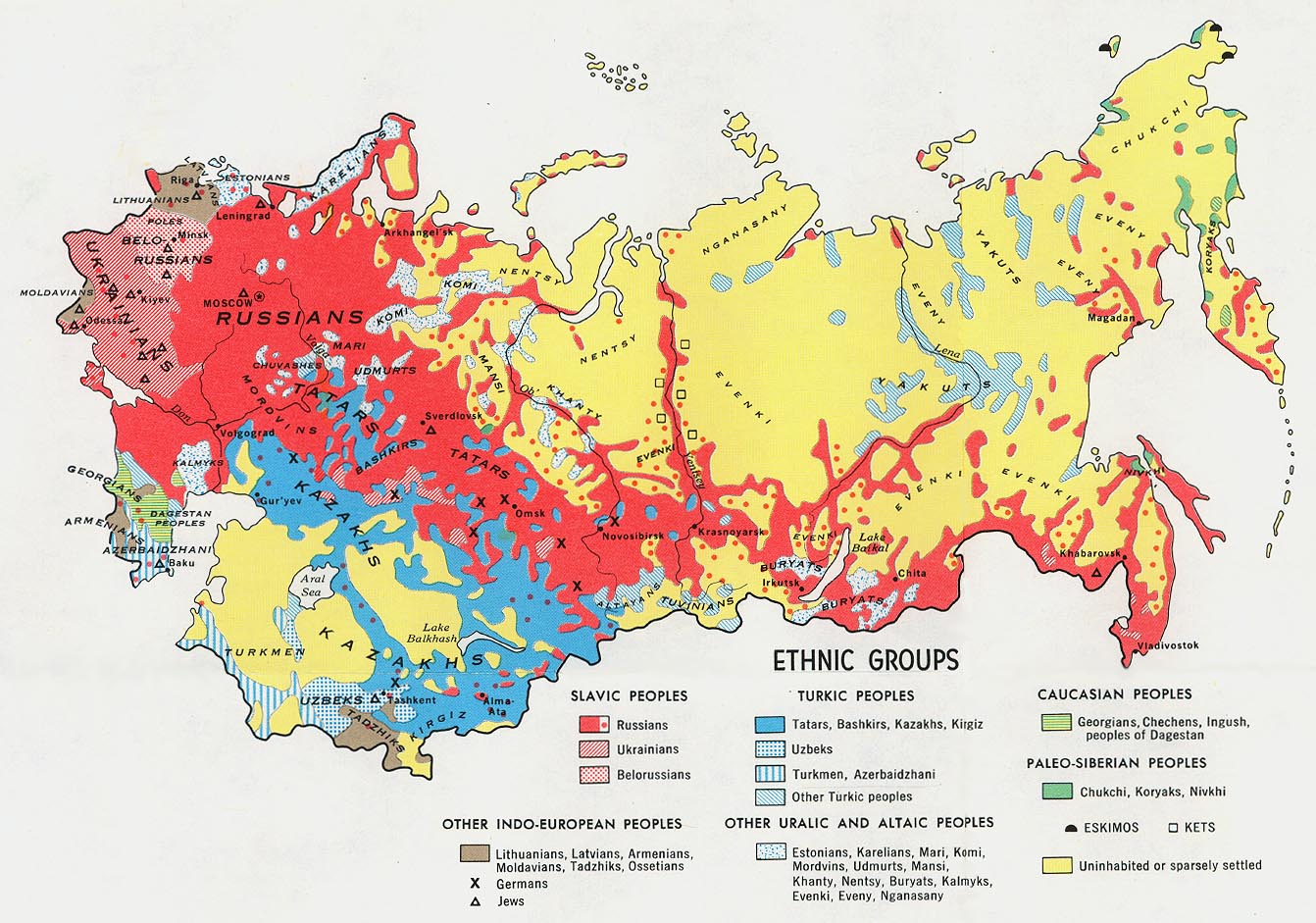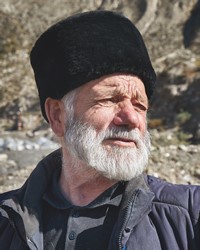

The Nogai Tatar, more commonly known as the Nogai, are a Turkic people living primarily in the North Caucasus and lower Volga regions of southern Russia. Significant Nogai populations are found in Dagestan, Karachay-Cherkessia, Stavropol Krai, Chechnya, and Astrakhan Oblast. Their name comes from Nogai Khan, a powerful military leader and descendant of Genghis Khan who played a major role in the Golden Horde during the late thirteenth century. The Nogai trace their origins to the Nogai Horde, a confederation of Turkic and Mongol tribes that emerged after the fragmentation of the Golden Horde.
The Nogai speak the Nogai language, a member of the Kipchak branch of the Turkic language family and closely related to Kazakh, Karakalpak, and Crimean Tatar. Historically, they were nomadic pastoralists who moved across the vast Eurasian steppe between the Danube and Caspian Seas. Over time, wars, migrations, Russian expansion, and settlement policies dispersed the Nogai into scattered communities throughout southern Russia and neighboring countries. Despite these changes, they have retained a strong ethnic identity and continue to preserve their language and cultural traditions.
The Nogai have traditionally been known as horse breeders, livestock herders, and steppe nomads. Their culture developed around the rhythms of pastoral life, with families moving herds across grazing lands in search of water and pasture. Although many Nogai are now settled in villages and towns, livestock raising and agriculture remain important occupations in some regions. Others work in education, government service, transportation, trade, and various professions.
They highly value family and clan relationships. Extended families often provide social and economic support, and community loyalty is a strong feature of Nogai culture. Traditional music, oral poetry, storytelling, and cultural festivals help preserve their heritage. Hospitality is highly respected, and gatherings for weddings, religious celebrations, and family events play an important role in maintaining community bonds. Traditional foods commonly include meat, dairy products, breads, and dishes reflecting their steppe heritage.
The Nogai have experienced significant social and economic changes during the modern era. Urbanization, migration, and the dominance of Russian-language education have challenged the preservation of their language and traditions. Nevertheless, many Nogai continue to value their unique identity and seek to pass their cultural heritage to future generations.
The Nogai are predominantly Sunni Muslims. Islam has been part of Nogai identity for centuries and influences many aspects of community life, including family customs, moral values, religious observances, and celebrations. Mosques serve as important centers for worship and community activity, and Islamic festivals such as Eid al-Fitr and Eid al-Adha are widely observed.
Although Sunni Islam is the dominant faith, traditional beliefs and customs have sometimes been incorporated into religious practice. Folk traditions concerning blessings, healing, protection, and spiritual influences can still be found in some communities. During the Soviet era, official atheism weakened religious practice in many areas, but Islamic identity remained an important part of Nogai culture and has experienced renewed interest since the collapse of the Soviet Union.
Most Nogai know Jesus as a prophet within Islamic teaching but have had little opportunity to hear the biblical message that he is only way to reconciliation with God the Father.
The Nogai need greater access to the gospel through trusted relationships, Scripture resources in their own language, and faithful believers who can communicate biblical truth with wisdom and cultural understanding. Their scattered settlements across southern Russia make consistent gospel outreach and discipleship challenging.
Practical needs include economic opportunities for younger generations, educational development, language preservation, and support for communities facing social and demographic change. Many Nogai are concerned about maintaining their cultural identity while adapting to modern society. Efforts that strengthen families, preserve language and heritage, and provide compassionate community support can help meet tangible needs while opening doors for meaningful relationships.
Pray that the Nogai would have opportunities to hear a clear presentation of the gospel in a language and cultural context they can readily understand.
Pray that God would raise up faithful workers who will build genuine relationships among the Nogai and communicate biblical truth with wisdom, humility, and love.
Pray that the Nogai would be adopted through the People Group Adoption program so that churches and believers will commit to ongoing prayer, outreach, and future gospel engagement among them.
Pray that any existing Nogai believers and other Christians serving in the North Caucasus region would be strengthened in their faith and equipped to share the gospel with their own people and neighboring communities.
Scripture Prayers for the Tatar, Nogai in Russia.
https://en.wikipedia.org/wiki/Nogais
https://en.wikipedia.org/wiki/Nogai_language
https://en.wikipedia.org/wiki/Nogai_Horde
https://redbook.verbix.com/nogays.shtml
| Profile Source: Joshua Project |
| Other PDF Profile |