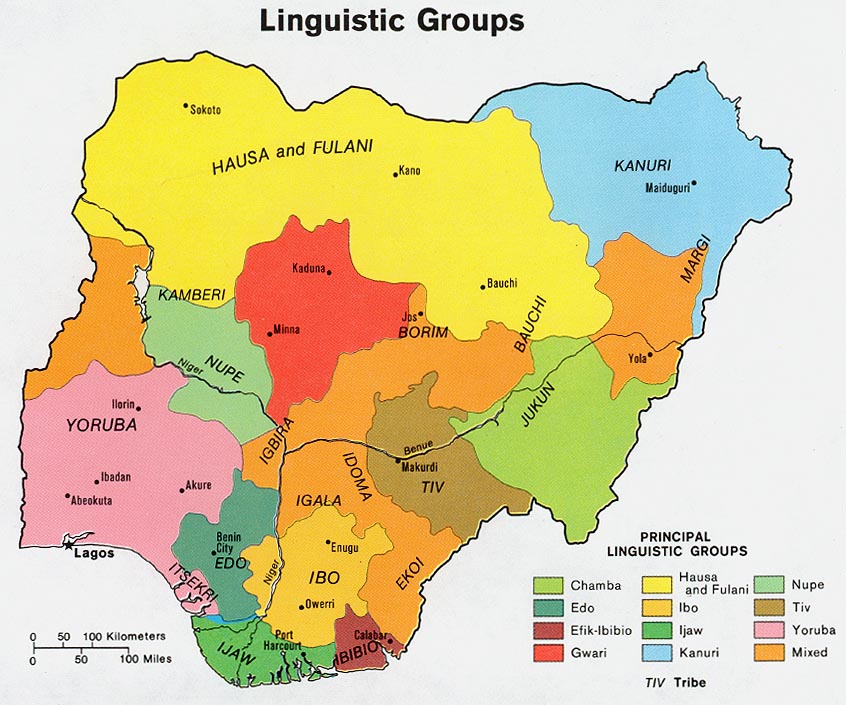
The Megili, also called Migili, Mijili, Jijili, or Koro in some regions, are an ethnic group living primarily in Nasarawa State in north-central Nigeria, especially in Awe and Lafia Local Government Areas. Their language, Migili, belongs to the Benue-Congo branch of the Niger-Congo language family and is closely connected to neighboring ethnic groups in the Middle Belt region of Nigeria.
The Megili are part of the culturally diverse Middle Belt peoples of Nigeria, a region known for its many small ethnic groups, languages, and long-standing farming communities. Their history has largely been preserved through oral tradition, clan lineage, and community memory rather than extensive written records. Different subgroups of the Megili are spread across parts of Nasarawa, Kaduna, Niger, and surrounding regions, though local identities and dialect differences remain important within the broader ethnic group.
Historically, the Megili lived in rural settlements and depended heavily on farming and village cooperation. Like many Middle Belt peoples, they experienced pressure from regional conflict, migration, and outside political influence over generations. Their communities also encountered both Islamic and Christian influence while still preserving traditional spiritual practices and cultural customs.
Today the Megili remain strongly connected to their language, land, and community traditions despite increasing modernization and migration toward urban areas.
Most Megili families live in rural farming communities where agriculture forms the center of daily life. Crops such as millet, maize, sorghum, yams, cassava, and vegetables are commonly grown for both household use and local trade. Livestock such as goats, sheep, and chickens also contribute to family income and food supply. Farming seasons strongly shape community routines and family responsibilities.
Family and clan relationships remain central within Megili society. Elders are respected as guardians of tradition and mediators in community matters. Oral storytelling, proverbs, songs, and ceremonial gatherings continue to preserve cultural memory and pass values from one generation to the next.
Traditional dances, festivals, and community celebrations remain important social events. Music and drumming often accompany weddings, harvest celebrations, and communal gatherings. Hospitality is highly valued, and visitors are commonly welcomed warmly within Megili communities.
Food commonly includes grain-based meals, soups, vegetables, and locally available meat. In many villages, traditional building methods and community cooperation still play an important role in daily life, although modern materials and technologies are increasingly common.
Many Megili communities face economic challenges related to poverty, limited infrastructure, healthcare access, and educational opportunity. Younger generations increasingly leave rural villages seeking work and education in larger towns and cities, contributing to gradual cultural and social change.
The Megili traditionally followed ethnic religion centered on ancestral reverence, spiritual forces, and traditional rituals connected to protection, fertility, healing, and community well-being. Fear of harmful spirits and belief in unseen supernatural powers continue to influence parts of traditional worldview and cultural practice.
Today the Megili are religiously mixed. Christianity has spread significantly among them, while some communities also practice Islam or continue traditional ethnic religion. In some areas, Christian identity exists alongside older traditional beliefs and rituals, creating syncretism within religious life.
Traditional religious practices may include sacrifices, rituals for ancestors, spiritual protection practices, and consultation with traditional healers or spiritual specialists. Religious identity is often closely connected to family heritage and community belonging.
Although there is an existing Christian presence among the Megili, there remains a strong need for biblical discipleship, sound teaching, and spiritually mature churches rooted firmly in Scripture. Many people identify as Christian culturally while still holding traditional spiritual fears and practices.
The Megili need continued access to strong biblical teaching, discipleship, and mature local churches that clearly teach salvation through Jesus Christ alone and encourage believers to grow in biblical faith and holiness.
Practical needs are also important in many Megili communities. Rural families may face poverty, inadequate healthcare, limited educational opportunities, unemployment, and weak infrastructure. Agricultural communities are often vulnerable to economic instability and environmental hardship.
The Megili would benefit from Scripture resources in their language, leadership training for pastors and church workers, youth discipleship ministries, literacy programs, medical outreach, and vocational support. There is also a need for strong local believers who can disciple younger generations and establish healthy churches grounded firmly in biblical truth.
Pray that the Megili people would grow in a clear biblical understanding of salvation through Jesus Christ alone.
Pray that God would strengthen pastors, church leaders, and believers among the Megili, so they remain faithful to the truth of Scripture.
Pray that believers throughout Nigeria's Middle Belt region would boldly share the truth of Christ and help establish spiritually mature churches in northern Nigeria.
Scripture Prayers for the Megili in Nigeria.
https://www.101lasttribes.com/tribes/jijili.html
https://qiraatafrican.com/en/17364/koro-people-of-nigeria/
https://www.ethnologue.com/language/mgi/
https://glottolog.org/resource/languoid/id/migi1243
https://www.facebook.com/61555750378868/posts/part-1-of-8-lets-talk-tribes-and-culture-in-nasarawa-migili-koro-culture-vid-ser/122173629170191679/
| Profile Source: Joshua Project |