


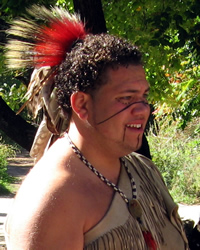

The Wampanoag are an Indigenous people of the northeastern United States whose homeland includes parts of present-day Massachusetts and Rhode Island, including Cape Cod and the islands nearby. For centuries they lived in villages connected by kinship, shared responsibilities, and seasonal travel tied to planting, fishing, and harvesting. Early contact with Europeans brought devastating disease and upheaval, followed by deep conflict and displacement during King Philip's War, which reshaped Wampanoag life and community for generations. Amid these pressures, Wampanoag identity endured, and many families have remained in their ancestral region while also forming wider networks of relatives beyond New England. The Wampanoag language name used by Wampanoag-led reclamation efforts is Wôpanâak, and language revitalization has become an important part of cultural renewal today.
Wampanoag life today is shaped by participation in modern American society while maintaining strong community ties and a continuing relationship with the land and waters of their homeland. Many people work in a wide range of occupations, and tribal governments and community organizations also provide avenues for leadership, education, and service. Family connections remain central, with elders often valued as carriers of memory and guidance and with community gatherings helping younger generations grow up with a sense of identity and responsibility.
Foodways include both contemporary diets and a continued appreciation for local harvests from sea and land. Fishing, shell fishing, hunting, and gardening remain meaningful for some families, and the themes of gratitude and stewardship still appear in community life. Celebrations and public gatherings can include social events featuring song and dance, community meals, and powwow-style gatherings, while seasonal thanksgivings and harvest observances reflect a long-standing pattern of honoring the Creator's provision.
Traditional Wampanoag spirituality has emphasized the Creator, gratitude, and the sacred responsibility to live in balance with the world. At the same time, Christianity has had a longstanding presence in Wampanoag communities since the colonial era, and some Wampanoag families identify as Christian today. Other spiritual paths are also present in the wider region, and personal beliefs can vary by family and community.
From a Bible-believing Christian perspective, the deepest hope for the Wampanoag, as for every people, is found in Jesus Christ. Christ calls all nations to receive God's mercy through repentance and faith, and he forms a new people who can walk in forgiveness, healing, and truth while honoring what is good and right.
Historical wounds, including loss of land, forced disruption of community life, and ongoing social pressures, continue to affect health, stability, and trust across generations. Strong education, meaningful employment, and wise community leadership matter because they help families thrive and help young people envision a hopeful future close to their heritage. Cultural renewal is also significant, and language restoration efforts can strengthen identity, belonging, and intergenerational connection.
Spiritual needs are just as urgent as physical ones. Many people still lack a clear and faithful gospel witness rooted in local relationships, and lasting transformation comes only through Jesus Christ, who heals sinners and makes communities new. Where Christian faith is already present, growth in mature discipleship and local leadership can lead to outward-focused service that blesses other communities with less access to the gospel.
Pray for physical and emotional well-being for Wampanoag families, including protection from addiction, despair, and preventable illness.
Pray for stable housing, good education, and fruitful work opportunities that support strong homes and hopeful futures for youth.
Pray for the message of Jesus Christ to be clearly shared and received, and for believers to grow in Scripture-shaped discipleship and love.
Pray that Wampanoag Christians and churches will send workers and support to peoples who still live without a gospel witness.
Scripture Prayers for the Wampanoag in United States.
https://www.wlrp.org/
https://mashpeewampanoagtribe-nsn.gov/about-wlrp
https://mashpeewampanoagtribe-nsn.gov/culture
https://wampanoagtribe-nsn.gov/wampanoag-history
https://plimoth.org/for-students/homework-help/who-are-the-wampanoag
https://plimoth.org/yath/unit-4/wampanoag-traditions-of-giving-thanks-for-the-children-of-the-earth
https://americanindian.si.edu/nk360/thanksgiving/sq2ss3.html
https://www.britannica.com/topic/Wampanoag
| Profile Source: Joshua Project |



