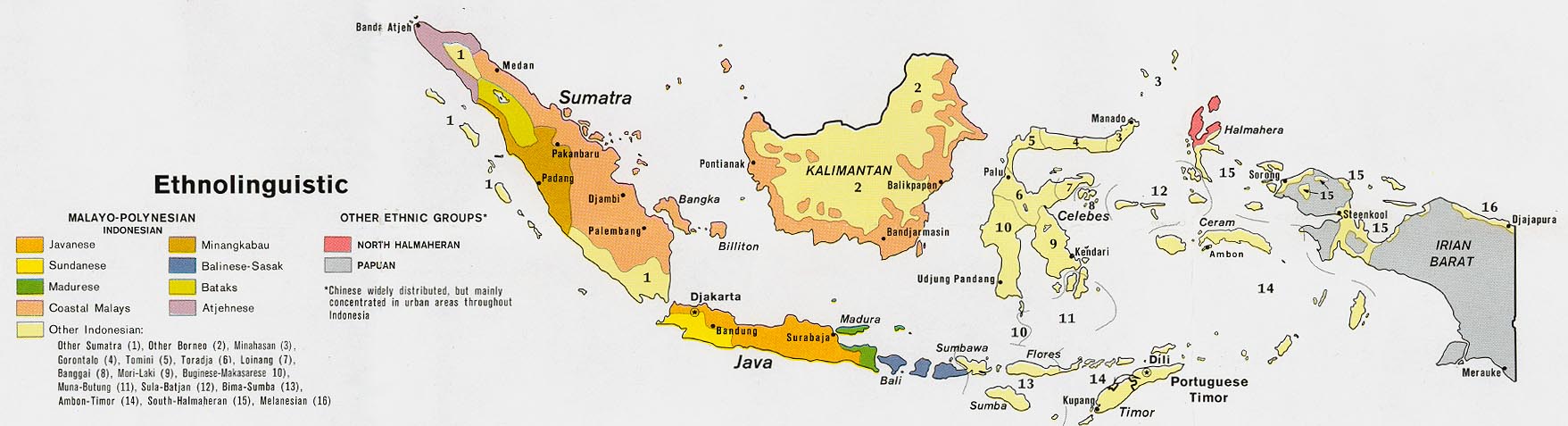
The Sibil Ngalum people, also known as the Ngalum or Ngalum Sibil, form a distinct subgroup of the broader Ngalum ethnic family residing primarily in the remote Star Mountains region of Highland Papua, Indonesia, with some communities extending across the border into Papua New Guinea. Their name derives from their close association with water sources, as "Ok" in their language means water or river, and many settlements bear prefixes like Ok Sibil or Ok Bi, reflecting their traditional placement near rivers and valleys for survival. According to oral traditions, the Sibil Ngalum trace their origins to sacred mountains such as Puncak Mandala (formerly Juliana Peak) or nearby peaks like Aburop, where the creator Atangki is believed to have formed the first ancestors, Kaka I Onkora and Kaka I Ase, infusing their identity with a deep reverence for these highland cradles of humanity. First sustained outside contact occurred in the late 1950s through Dutch colonial patrols and Catholic missionaries, followed by anthropological expeditions in the early 1960s that documented their culture around the Sibil Valley and Apmisibil areas. Since then, missionary efforts, particularly Catholic since 1956 and later Protestant influences, have introduced Christianity, while government presence has gradually brought modern administration to Pegunungan Bintang Regency, centered around Oksibil.
The Sibil Ngalum inhabit rugged, isolated valleys and mountain slopes in the Pegunungan Bintang Regency, where subsistence agriculture defines daily work as men and women collaborate in clearing gardens with stone axes and digging sticks to plant taro, sweet potatoes, yams, and greens like palmgrass and aibika, later supplemented by introduced crops such as carrots, cabbage, and beans. Pig husbandry plays a central role, with animals raised for feasts, trade, and social status, while hunting with bows, arrows, and spears provides occasional meat alongside gathering forest products. Family dynamics follow a patrilineal clan structure called iwolmai, where extended families live in circular villages centered around sacred houses known as iwol or Ap Iwol, built with wooden walls, thatch roofs, and nipah bark floors, often separated by gender in traditional honai-like dwellings.
Celebrations revolve around life-cycle events, harvest feasts, and rituals involving pig sacrifices, dancing, and the exchange of traditional valuables like shell money (siwol), bird-of-paradise feathers, and noken woven bags, strengthening clan alliances and resolving disputes through elder-led councils. Staple foods consist of boiled or roasted root crops accompanied by greens and pork during special occasions, fostering community bonds in an environment where oral storytelling preserves history amid increasing exposure to outside education and markets.
The Sibil Ngalum traditionally center their beliefs on the creator figure Atangki and the mythical Aplim Apom, whose creation of humanity provides philosophical foundations for life, morality, and social order, with sacred objects and rituals performed in the iwol houses to honor ancestors and maintain harmony with spiritual forces inhabiting mountains, rivers, and forests. Animistic elements persist in viewing natural features as imbued with power, requiring appeasement through ceremonies to ensure fertile gardens, health, and protection from harm. Since the arrival of Catholic missionaries in the 1950s and subsequent Protestant outreach, many Sibil Ngalum communities have embraced Christianity, blending biblical teachings with cultural practices or fully adopting evangelical faith, leading to churches becoming focal points for worship and community decisions while the availability of audio Scriptures and ministry resources in the Ngalum language supports growing engagement with God's word.
Access to reliable healthcare remains severely limited in the highland villages, leaving families vulnerable to treatable illnesses and injuries without nearby clinics or medicines. Improved transportation infrastructure, including roads and airstrips, would ease the isolation that hinders economic opportunities and emergency evacuations. Educational facilities and literacy programs are essential to equip the younger generation with skills for broader participation in society while preserving their language and heritage.
Spiritually, believers require discipleship training and pastoral leadership to deepen their understanding of Scripture and resist syncretism with traditional spirit practices. Local churches need resources to train leaders who can mobilize the Sibil Ngalum as part of the global body of Christ, sending out workers to neighboring unreached groups.
Pray that the Lord would send dedicated medical workers and resources to the remote valleys, healing the sick among the Sibil Ngalum and revealing himself as the Great Physician who cares for both body and soul.
Ask God to abundantly bless their gardens, livestock, and hunts, providing daily needs in ways that point families to His faithful provision and open hearts to the Bread of Life.
Intercede for the gospel to penetrate deeply into every clan and iwol through scripture in their language, delivering people from fear of spirits and drawing them into vibrant, saving relationships with Jesus Christ.
Beseech the Holy Spirit to raise up mature indigenous pastors and evangelists from among the Sibil Ngalum, equipping them to disciple believers, plant strong churches, and carry the good news to surrounding highland peoples.
Scripture Prayers for the Ngalum, Sibil in Indonesia.
Wikipedia. "Ngalum people." For cultural, historical, and mythological details.
Wikipedia Bahasa Indonesia. "Suku Ngalum." For traditional beliefs, social structure, and lifestyle information.
Ethnologue and Global Recordings Network. For langua
| Profile Source: Joshua Project |