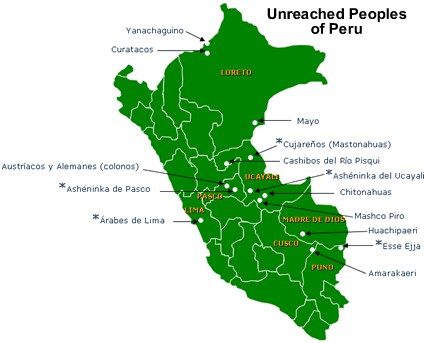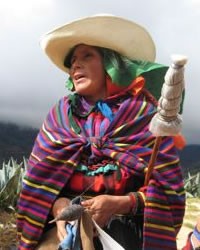

Nestled in the remote highlands of northern Peru, the Lambayeque Quechua are an indigenous people. They are concentrated primarily in the Inkawasi and Kañaris districts of the Ferreñafe province in the Lambayeque region, as well as in communities in Miracosta, Penachí, Santa Lucía, and parts of neighboring Cajamarca and Piura. Their dialect, known as Inkawasi-Kañaris Quechua, is a distinct variety of Quechua II most closely related to Cajamarca Quechua.
The Lambayeque Quechua trace their heritage to the era of the Inca Empire, when Quechua became the administrative and spiritual language of one of the largest empires in the ancient world. Historians suggest that Quechua speakers may have arrived in the Lambayeque highlands through the Inca practice of mitma — the forced relocation of populations to consolidate imperial control — leaving pockets of Quechua speakers in areas where the language was otherwise uncommon. When Spanish conquistadors arrived in the 16th century, they toppled the Inca Empire, seized indigenous lands, and subjected the native population to forced labor. Old World diseases devastated communities that had no immunity to them, and the suppression of Quechua language and culture continued for centuries under colonial and later republican rule.
Today, the Lambayeque Quechua remain one of the more isolated indigenous groups in northern Peru, preserved in part by the rugged terrain of their Andean home. Their language, though spoken by a small population, has received attention from linguists, and the New Testament has been translated into Lambayeque Quechua, with Bible portions available since 1992.
Life for the Lambayeque Quechua is shaped by the rhythms of highland agriculture and the close bonds of community. Most families are subsistence farmers, cultivating potatoes, maize, sweet potatoes, yucca, beans, and barley on steep Andean hillsides. Some families keep small herds of livestock, including guinea pigs raised for meat — a dietary staple in the Andes. The pachamanca tradition, a method of slow-cooking meat and vegetables in an earthen pit, remains a cherished communal practice for special occasions.
Family life is organized around the extended household, with several generations often living and working together. Men and women both participate in agricultural labor, while women are also known for textile weaving — a craft that carries deep cultural significance and has been studied as a window into the community's identity and worldview. Oral tradition is strong; folktales, songs, and legends are passed down through generations, preserving a way of seeing the world that predates Spanish colonization.
Celebrations in Lambayeque Quechua communities tend to blend Catholic feast days with traditional Andean customs. Patron saint festivals are important community events, bringing people together for music, food, and ritual observance. Traditional music from the Inkawasi area, including instruments and song genres specific to this highland community, remains a living part of cultural celebration.
Access to education, healthcare, and basic infrastructure is limited in these remote districts, and Spanish literacy — let alone Quechua literacy — is not universal. Many younger community members are caught between two worlds, drawn toward urban opportunity while remaining connected to the land and traditions of their ancestors.
Christianity is the primary religion of the Lambayeque Quechua, reflecting centuries of Catholic missionary influence that took root following the Spanish conquest. The Catholic faith has woven itself deeply into community life, expressed through patron saint festivals, devotion to the Virgin Mary, and the observance of the Catholic liturgical calendar.
However, the Christianity practiced in many Lambayeque Quechua communities is heavily syncretistic. Traditional Andean beliefs about a spiritual realm, the power of the earth (Pachamama), and the presence of spiritual beings have blended with Catholic practice in ways that often differ significantly from biblical Christianity. Salt, saliva, and spiritual beings feature in the folk cosmology of Inkawasi, as documented by researchers who have studied the community's worldview. Shamanic practitioners and folk healers continue to play a role in community life, particularly in matters of illness and misfortune.
A modest but meaningful evangelical presence exists among the Lambayeque Quechua. There are evangelical believers and some church planting activity in the region, though most of the population remains embedded in folk Catholic or syncretic religious practice without a clear, personal understanding of the gospel.
The Lambayeque Quechua face significant physical challenges rooted in geographic isolation. Improved access to healthcare, clean water, quality education, and economic opportunity would dramatically improve quality of life in communities that have long been marginalized by Peruvian society. Literacy programs that honor the Lambayeque Quechua language would help community members engage more fully with both civic life and the Scriptures available in their dialect.
Spiritually, the Lambayeque Quechua need believers who will walk alongside them in patient, culturally informed witness. Although Christian resources — including the New Testament, audio Bible recordings, and the JESUS Film — exist in Lambayeque Quechua, many people have not engaged with them in ways that have led to spiritual transformation. Folk Catholicism does not produce absolute faith in the only Savior, Jesus Christ.
Pray that Lambayeque Quechua evangelical believers will grow in faith in Christ and become a gospel force among their own people and the unreached peoples of Peru.
Pray for God to raise up workers who will bring the good news of Jesus to the most isolated communities of the Inkawasi and Kañaris highlands.
Pray that the New Testament and audio resources available in Lambayeque Quechua will reach families who have never encountered the gospel in their heart language.
Pray for improved access to healthcare and education in remote Lambayeque Quechua communities, and for local leaders who will advocate for their people's dignity and wellbeing.
Scripture Prayers for the Quechua, Lambayeque in Peru.
https://en.wikipedia.org/wiki/ISO_639:quf
https://en.wikipedia.org/wiki/Quechua_people
https://inkawasi-kanaris.org/
http://www.language-archives.org/language/quf
https://www.jesusfilm.org/watch/jesus.html/quechua-lambayeque.html
https://live.bible.is/bible/QUFLLB
| Profile Source: Joshua Project |