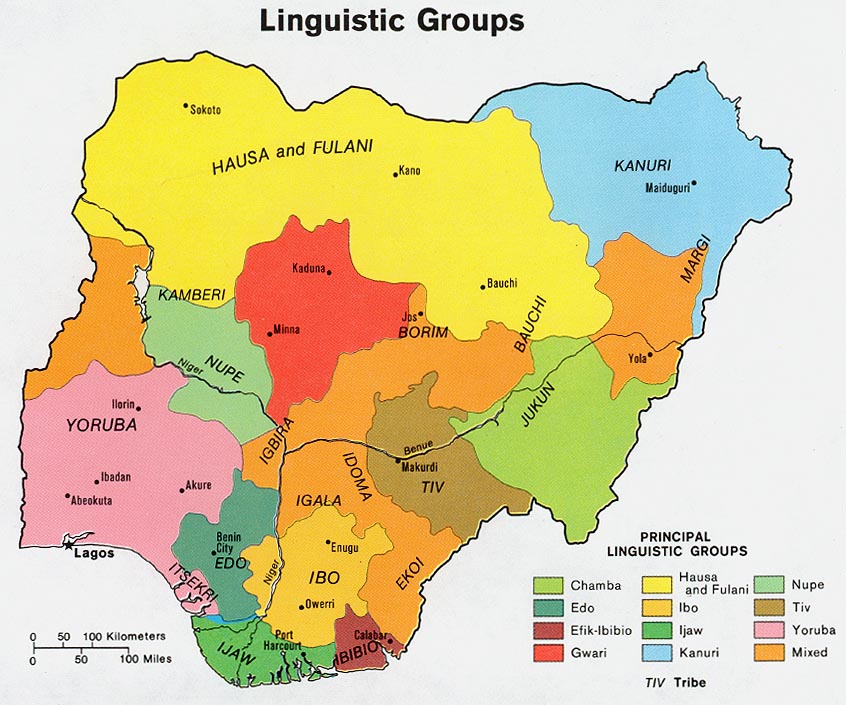
Nestled in the rocky, hill-studded terrain of Akwanga Local Government Area in Nigeria's Nasarawa State, the Nakare Jidda-Abu are a small but distinct indigenous people of approximately 24,000 souls. Their homeland consists of four villages — Nakere, Rago, Maiganga, and Abu — situated roughly 18 kilometers east of the town of Akwanga in Nigeria's Middle Belt. They share this rugged landscape with the Mada, Eggon, Alumu, and other Plateau-speaking peoples who have inhabited these hills for generations.
The people speak Bu, a Plateau language classified within the Niger-Congo family and specifically belonging to the Ninzic branch. The language has two closely related dialects: Bu (also called Abu), spoken in the Nakare villages, and Ninkada (also called Jidda), spoken in nearby settlements to the north. Though the two dialect communities regard themselves as ethnically distinct, linguists note that the differences between them are slight. The combined group is therefore known as Jidda-Abu, with the Nakare people representing the Bu-speaking half of the community. The language has a published writing system, and the New Testament has been translated into Bu, making Scripture available in print. Audio gospel recordings are also accessible through Global Recordings Network. A complete Bible has not yet been translated, meaning the Old Testament in the mother tongue still awaits the community.
The broader region of Akwanga has long been a crossroads of ethnic and cultural interaction. Nasarawa State was carved out of Plateau State in 1996, and the area has historically experienced the pressures common to Nigeria's Middle Belt, including the legacy of Fulani jihadist expansion in the nineteenth century, British colonial incorporation, and post-independence political reorganization. The Nakare Jidda-Abu, like their Plateau-language neighbors, have maintained a distinct linguistic and cultural identity through these upheavals, anchored in their village communities and ancestral land.
Agriculture is the heartbeat of Nakare Jidda-Abu life. Families cultivate yams, sorghum, millet, maize, and cassava on plots terraced into the rocky hillsides characteristic of the Akwanga area. Small-scale livestock keeping — goats, chickens, and sheep — supplements household food production and provides a modest income during lean seasons. The broader Nasarawa State economy includes sesame and soybean cultivation, and some Nakare families likely participate in these cash crops as well. Like most rural communities in the Middle Belt, the Nakare Jidda-Abu have limited access to formal employment, and the vast majority of families depend directly on the land.
Life in the four Bu villages moves according to the rhythms of two seasons: the rains, which run from roughly March through October, when fields are planted and tended, and the dry season, when harvests are stored and trade at local markets quickens. Extended family structures define social organization, with elders mediating disputes and directing communal decisions. Celebrations tied to harvests, births, marriages, and the marking of community milestones bring families and clans together in feasting, music, and dance — expressions of a shared identity that has persisted despite the pressures of outside change. Children in the area have access to mission-founded schools and government institutions in nearby Akwanga, which is considered one of the best-served areas for education in Nasarawa State. Yet rural families often struggle with the costs of schooling and the competing labor demands of farming.
The spiritual landscape of the Nakare Jidda-Abu is contested ground. Traditional ethnic religion remains the dominant framework of the community, rooted in beliefs about ancestral spirits, sacred sites, and the spiritual powers that govern harvest, sickness, and the fortunes of family life. Traditional priests and elders play an important role in mediating between the community and the spirit world, and seasonal rites tied to planting and harvest continue to shape the community's calendar. A small but meaningful minority of the population practices Islam, reflecting the Islamic influence that spread across Nasarawa through the emirate system established in the nineteenth century.
Christianity has gained real, if modest, ground among the Nakare Jidda-Abu. A portion of the community now identifies as Christian, and an evangelical witness — small but present — has taken root, evidenced in part by the availability of the New Testament in the Bu language.
Access to quality healthcare remains a persistent challenge for villagers living at a distance from Akwanga town, and rural families often lack reliable clean water and adequate sanitation. The ongoing herder-farmer conflict that has destabilized parts of Nasarawa State represents a real threat to the safety and livelihoods of farming communities like the Nakare Jidda-Abu, whose fields and livestock can become targets during cycles of intercommunal violence. Agricultural extension services and climate-resilient farming practices are needed to help families adapt to changing weather patterns and improve food security. The Bu language, though it has a published New Testament, is considered endangered, and intentional efforts at community-based literacy and language preservation would strengthen both cultural identity and access to Scripture.
Spiritually, the most urgent need is for the gospel of Jesus Christ to penetrate the traditional religious strongholds that govern so much of Nakare Jidda-Abu life. While the New Testament is available, the complete Bible in Bu remains unfinished — a gap that limits the depth of biblical teaching and discipleship. Pastors and church leaders among the Bu-speaking community need ongoing training and encouragement. Workers willing to invest in long-term, culturally rooted ministry among these villages would be a tremendous gift to this people.
Pray for the completion of the full Bu Bible, and that literate and oral scripture resources would be eagerly received and deeply transformative in Nakare Jidda-Abu homes and churches.
Pray for protection from the herder-farmer violence that has troubled Nasarawa State, and for wise community and government leadership that brings justice and lasting peace to the Middle Belt.
Pray for the evangelical believers among the Nakare Jidda-Abu to grow in bold, Spirit-filled witness — reaching their own neighbors who still follow traditional religion and carrying the gospel to the less-reached peoples of the Akwanga hills.
Pray that the Holy Spirit would break the spiritual power of ancestral religious practices and draw the whole community into the freedom and new life found only in Jesus Christ.
Scripture Prayers for the Jidda-Abu, Nakare in Nigeria.
https://www.ethnologue.com/language/jid
https://en.wikipedia.org/wiki/Bu_language
https://www.endangeredlanguages.com/lang/jid
https://globalrecordings.net/en/language/jid
https://www.bible.com/versions/4464
https://en.wikipedia.org/wiki/Akwanga
https://en.wikipedia.org/wiki/Nasarawa_State
https://nasarawastate.gov.ng/about-nasarawa-state/
https://whereinnasarawa.com/akwanga-local-government/
| Profile Source: Joshua Project |