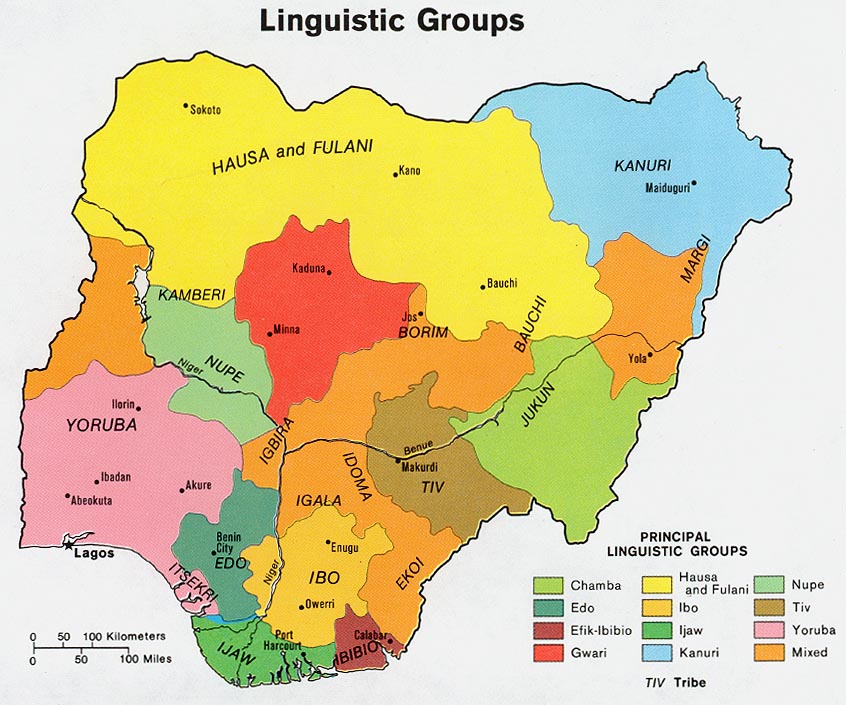

The Ebira people are a significant ethnic group primarily located in Kogi State in central Nigeria, with their heartland centered around the town of Okene. They speak Ebira, a language belonging to the Nupe-Gbagyi branch of the Niger-Congo language family. The Ebira have a rich oral tradition that traces their origins to various migration patterns, with some accounts linking their ancestry to the ancient Kwararafa kingdom. Historically, they established a centralized political system under the leadership of the Ohinoyi of Ebiraland, a traditional ruler who continues to hold cultural significance today. During the colonial period, the Ebira territories were incorporated into the British protectorate, which brought significant changes to their traditional governance structures and exposed them to Islam and Christianity. Today, the Ebira number several million people and maintain a strong sense of ethnic identity while participating actively in Nigerian national life.
The Ebira people primarily engage in agriculture as their main economic activity, cultivating crops such as yams, cassava, maize, rice, and various vegetables. Many families maintain small-scale farms where multiple generations work together during planting and harvest seasons. In addition to farming, the Ebira have a strong tradition of trading and commerce, with many operating in local markets and urban centers throughout Nigeria. The discovery of mineral resources in their region has led some Ebira to work in mining and related industries, though this has also brought environmental challenges. Ebira society maintains strong extended family structures, with kinship ties playing a crucial role in social organization. Traditional leadership through clan heads and the Ohinoyi continues alongside modern governmental structures. Education has become increasingly valued among the Ebira, with growing numbers pursuing formal schooling and professional careers. The Ebira are known for their distinctive cultural expressions, including traditional attire, music, and dance forms. However, many face challenges including limited infrastructure in rural areas, inadequate healthcare facilities, and economic hardship that drives young people to migrate to cities.
Islam has become the predominant religion among the Ebira people, with the majority adhering to Sunni Islamic practices introduced during centuries of contact with Hausa and Fulani traders and missionaries. Islamic festivals, prayer times, and religious education form central aspects of community life for most Ebira families. Despite widespread Islamic adherence, traditional religious beliefs continue to influence Ebira spirituality. The traditional Ebira worldview recognizes a supreme deity called Ohomorihi, along with various spirits and ancestors believed to influence daily life. Sacred groves, shrines, and ritual practices associated with these traditional beliefs persist in some areas, sometimes existing alongside Islamic practices in a form of religious syncretism.
A minority of Ebira have converted to Christianity, establishing churches in various communities, though Christians remain significantly outnumbered by Muslims. The traditional festival of Echane, celebrated annually, demonstrates the continued importance of ancestral customs even among those who practice Islam or Christianity. The spiritual landscape of the Ebira people reflects the complex religious history of central Nigeria, where indigenous beliefs, Islam, and Christianity have interacted for generations.
The Ebira people face numerous challenges that require attention for genuine transformation to occur. Access to the gospel remains limited for the vast majority of Ebira, who have little exposure to biblical teaching presented in culturally relevant ways. Those who have embraced Christianity often lack discipleship resources, biblical training, and mature leadership to help them grow in faith and resist syncretistic practices. The scarcity of Scripture translations and Christian literature in the Ebira language hinders spiritual growth and evangelistic efforts. Healthcare infrastructure throughout Ebira communities remains inadequate, with many villages lacking clinics, trained medical personnel, and basic medicines. Clean water sources are scarce in numerous rural areas, forcing families to rely on contaminated water that contributes to disease. Educational opportunities, particularly for girls and in remote villages, require expansion to provide the next generation with needed skills. Agricultural development programs could help Ebira farmers improve crop yields and create sustainable livelihoods. Environmental degradation caused by mining activities threatens the agricultural base upon which many depend. Christian workers must understand Ebira culture, language, and Islamic background to communicate the gospel effectively and plant churches that can disciple believers.
Pray that the Holy Spirit would draw Ebira hearts to encounter Jesus Christ as the only way to salvation.
Pray for bold believers to emerge from within the Ebira community who will share the gospel despite opposition.
Pray that gospel workers would be called to serve among the Ebira with cultural sensitivity and unconditional love.
Pray for the completion and distribution of Scripture translations in the Ebira language.
Pray that existing Ebira Christians would grow strong in their faith and become disciple-makers who multiply churches.
Pray for peace in communities where religious tensions have created division.
Pray that the Lord would provide clean water, improved healthcare, and educational opportunities.
Pray that traditional leaders would encounter Christ and open doors for the gospel.
Pray that Ebira leaders will have dreams and visions of the risen and victorious Christ.
Scripture Prayers for the Ebira in Nigeria.
Omoti, A. G. (2014). "The Ebira People: Origin, Settlement and Cultural Heritage." African Research Review, 8(2), 1-15.
Obayemi, A. (1980). "The Yoruba and Edo-Speaking Peoples and Their Neighbors Before 1600." In History of West Africa, edited by J.
| Profile Source: Joshua Project |