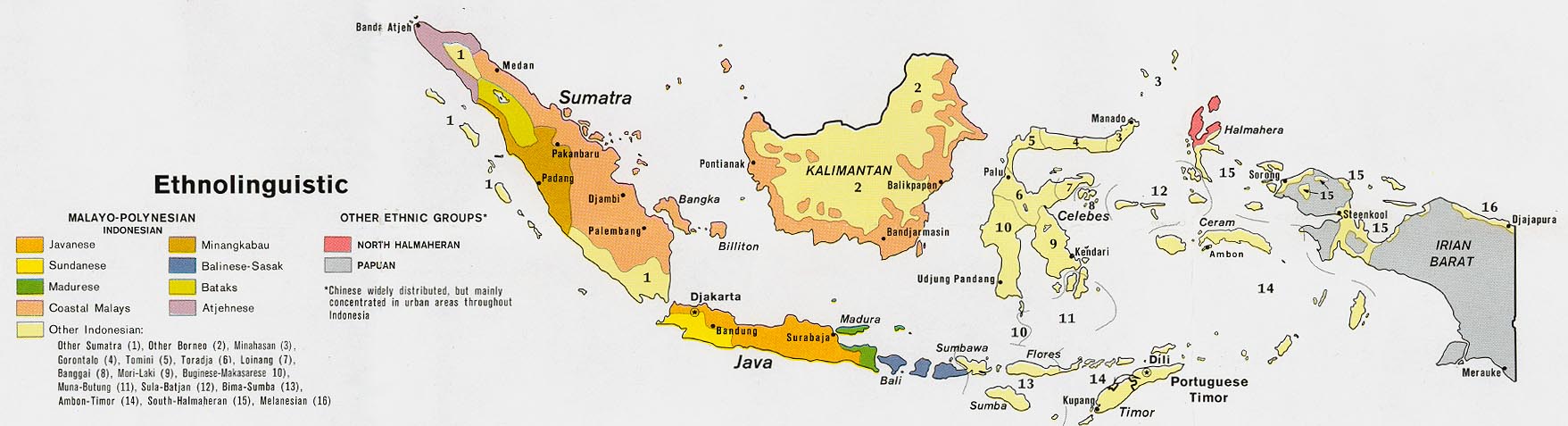
The Gilika people of Indonesia are an indigenous people who reside in the Papua Province of the eastern highlands. They reside in the remote mountainous highlands in village clusters. Living in harmony with and dependence on nature has allowed animism to thrive as a worldview. Elements of nature, be it animals, plants, rivers, or rocks, are seen to possess spiritual essence. All material phenomena have agency including soul and spirit. Not until the 20th Century was Christianity introduced through missionaries traveling to these remote areas to share their faith. Though Christianity is now a predominate belief it remains mixed with animistic beliefs due to fear of the spirit world and fear of disrespecting ancestors. A small minority are faithful to evangelistic efforts hoping to quell fears and encourage faith only in Christ.
Traveling to visit other villages is arduous and can take days as they travel barefoot or sandaled carrying food and children. They live in thatched dwellings which protect against rain and humidity. The Gilika are subsistence farmers, sweet potato being a staple crop. Pigs are also raised as they are used as a sacrifice to seek protection from perceived spiritual threats. Men clear the land and build fences, while women plant, weed, and harvest. Gardens are rotated and left fallow to maintain soil fertility revealing their ecological knowledge and respect for the land. Childcare is done by the women who must also perform household duties. Children are taught essential skills and knowledge through daily activities with family and community members.
Christianity is prevalent but often merges with animistic traditions among the Gilika. They view God as Creator, yet don't believe in a distinct creation event; instead, they believe the land is controlled by spirits residing in rivers, mountains, forests, and animals. Primordial spirits are believed to predate humans, shaping and influencing the land's fertility, while ancestral souls continue to affect the living. While most combine Christian beliefs with animism, a small number encourage exclusive devotion to Christ, focusing on faith within the family through prayer, storytelling, Bible study, and sharing during everyday activities.
The Gilika people face significant challenges due to the extreme remoteness of their villages. Because they live in isolated mountainous regions, they do not have regular access to health facilities or services that could help prevent diseases or provide urgent medical care. The absence of reliable roads, electricity, and modern infrastructure further exacerbates these difficulties, forcing the Gilika to depend heavily on the land and their traditional ways of life for survival. This reliance on natural resources underscores both their vulnerability and their resilience in adapting to the limited resources available to them.
They are threatened by resource exploitations such as forest removal due to palm oil plantations and mining stripping land, displacing communities which then threatens food security, health and cultural continuity. Feeling vulnerable, and guilty they look to collective prayer. They see their difficulties as possible divine testing, ancestral displeasure or communal failure to uphold spiritual duties. In response, they may sacrifice sweet potatoes or bananas to gain relief.
Pray that the heart of the Gilika be softened to receive the supremacy of Christ as evangelicals among them share the Lord of the Harvest, his supremacy over nature and his great love for them as individuals. Pray for them to understand and receive Christ's sacrifice as sufficient for all their needs.
Pray for greater opportunities for evangelicals. May the Lord lead them to "people of peace" who are open to their message.
Pray for health care and education resources to reach them.
Scripture Prayers for the Gilika in Indonesia.
References
| Profile Source: Joshua Project |