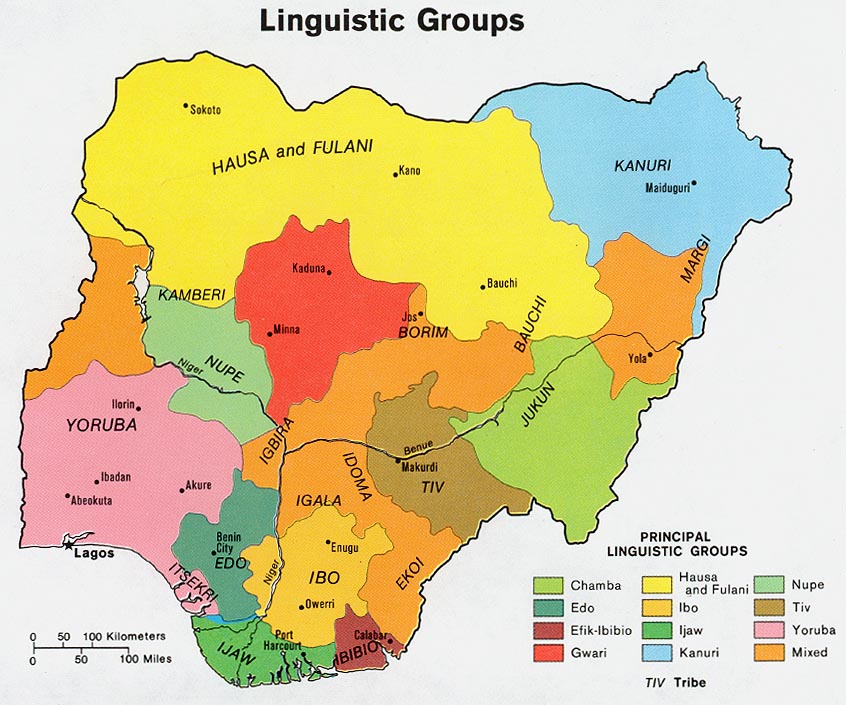
The Dungi, also known as the Dunjawa or Dungu, are a small indigenous people of central Nigeria. They are found primarily in Dungi town and surrounding communities in the Saminaka area of Kaduna State. Their language, Dungu, belongs to the Niger-Congo language family and serves as an important expression of their ethnic identity. However, Hausa and English are increasingly used in education, commerce, and public life, placing pressure on younger generations to shift away from their mother tongue.
The Dungi have maintained a distinct identity despite living alongside larger ethnic groups in northern Nigeria. Their community has historically been centered on village life, where shared language, family relationships, and local traditions have preserved their heritage across generations. As surrounding societies continue to expand and modernize, efforts to sustain the Dungu language and cultural identity have become increasingly important.
Agriculture is the backbone of Dungi life. Most families cultivate staple crops such as maize, millet, rice, beans, guinea corn, and sorghum, while cotton and groundnuts provide valuable cash income. Livestock keeping also contributes to household livelihoods, and farming seasons shape much of the community's annual rhythm.
The Dungi place great value on family and cooperation. Extended families often work together during planting and harvest seasons, while community gatherings strengthen relationships through shared meals, celebrations, and mutual support. Although many young people now pursue education and employment beyond their villages, family ties remain a defining feature of Dungi society.
Most Dungi continue to place their trust in traditional ethnic religious beliefs. Many believe that spiritual forces are active in everyday life and seek protection, healing, or guidance through rituals, sacred objects, ancestral spirits, or other spiritual intermediaries. Islam and Christianity are also present within the wider region, and some Dungi identify with either faith, but traditional religious practices remain highly influential for many families.
Portions of scripture and audio Bible stories are available in the Dungu language, providing an important foundation for gospel outreach. Even so, many Dungi have not heard a clear explanation of the gospel or experienced consistent biblical discipleship. Scripture teaches that salvation, forgiveness of sins, and reconciliation with God are found through Jesus Christ alone, not through rituals or other spiritual powers.
The Dungi would benefit from improved healthcare, stronger educational opportunities, and sustainable agricultural development that helps families thrive. Continued support for language development and literacy would also strengthen the long-term survival of the Dungu language, which is becoming endangered as Hausa and English become more dominant.
Spiritually, they need faithful Christian workers, expanded Scripture translation, culturally appropriate discipleship materials, and thriving local churches that can clearly communicate the gospel in the Dungu language.
Pray that the Dungi will hear and understand the gospel in their own language and place their faith in Jesus Christ.
Pray for the preservation and development of the Dungu language through literacy and Scripture translation.
Pray for improved healthcare, education, and fruitful harvests that will strengthen Dungi families.
Pray that God will raise up faithful believers who will disciple the Dungi and establish strong, Bible-centered churches.
Scripture Prayers for the Dungi, Dunjawa in Nigeria.
https://peoplegroups.org/people_groups/pg013746/
https://www.ethnologue.com/language/dbv
https://en.wikipedia.org/wiki/Dungu_language
https://globalrecordings.net/en/language/29927
| Profile Source: Joshua Project |