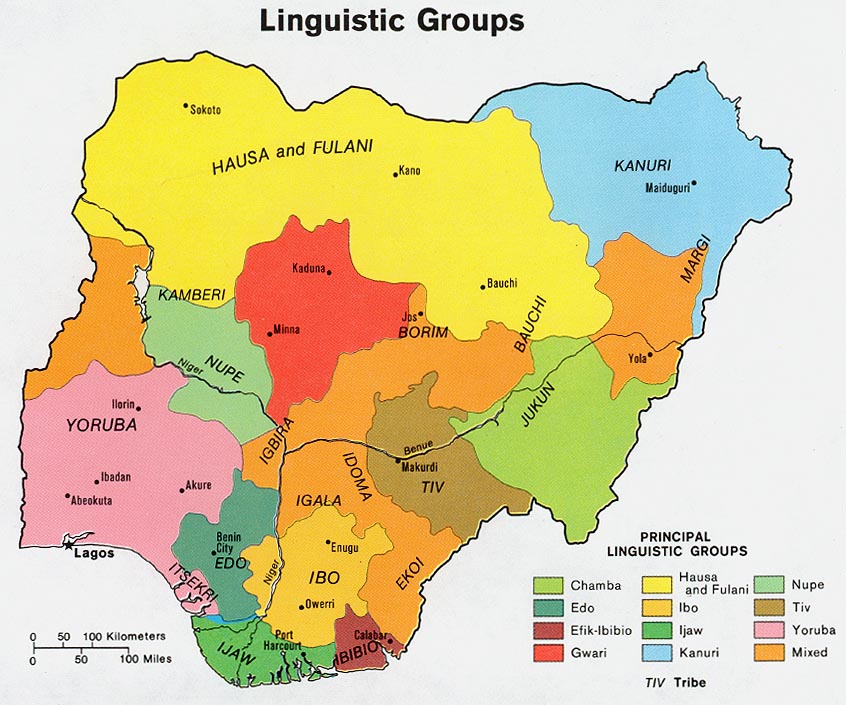
The Esan are an ethnic people group located in central Edo State in southern Nigeria, primarily within the Edo Central Senatorial District. Population estimates range from one to three million people, with notable diaspora communities in the United States, United Kingdom, South Africa, Canada, Spain, and Italy. The name Esan is believed to derive from an Edo expression meaning "those who fled" or "those who jumped away."
Archaeological evidence indicates that Esanland has been inhabited for at least three thousand years. The most significant development in Esan ethnogenesis occurred in the fifteenth century during the reign of Oba Ewuare of the Benin Empire. Oral tradition recounts that after the Oba lost two sons around 1460, he imposed strict mourning laws lasting three years. Many nobles, princes, and common citizens found these restrictions intolerable and migrated northeastward into present-day Esanland.
These migrants settled among earlier inhabitants and formed organized communities. Over time, the Esan developed approximately thirty-five autonomous kingdoms, each ruled by an Onojie (king). While sharing cultural and linguistic similarities, each kingdom maintained political independence. Major kingdoms include Uromi, Ekpoma, Irrua, Ewu, Ubiaja, Igueben, and Uzea.
British colonial expansion reached Esanland in 1897 and encountered strong resistance. By 1906, the region had been fully incorporated into colonial administration as the Ishan Division. Nigeria gained independence in 1960.
Traditionally, the Esan are agriculturalists, hunters, mercenary warriors, and practitioners of traditional medicine. Farming remains central to daily life, with staple crops including yams, cassava, cocoyam, maize, rice, beans, vegetables, and groundnuts. Tree crops such as oil palm, kola nut, coconut, avocado pear, oranges, plantains, and pineapples are also cultivated. Palm oil production is a particularly important economic activity.
Traditional clothing is worn mainly during ceremonies and important social events. Men wear the Ukpesan, while women wear ashobi, consisting of a headpiece, blouse, and long skirt. The Esan language belongs to the Edoid branch of the Niger-Congo language family and is closely related to Edo, Urhobo, Owan, Isoko, and Etsako. Due to significant dialect variation among kingdoms, Nigerian Pidgin English is widely used as a common language.
Family life emphasizes communal values, hospitality, and shared identity. Both indigenes and outsiders are commonly referred to as Obhio, meaning brother or sister. Marriage customs traditionally include a symbolic bride price of twenty-four naira, representing twenty-four cowries in precolonial times, signifying that daughters are not sold.
Cultural life includes numerous festivals, especially the New Yam Festival known as Ihuan, celebrated between September and November. Other festivals include Ukpe, Utun, Idumuamukpe, Ukpeze, and Iruen. Education is highly valued, and the Esan are generally regarded as hardworking and adaptable.
Traditional medicine, particularly herbal remedies and bone setting, is widely respected. Ogwa town is nationally recognized for bone-setting practices considered effective even alongside modern medicine.
Today, the majority of Esan identify as Christian, with Catholicism being the most prominent denomination. Protestant, Pentecostal, and evangelical churches have experienced rapid growth in recent decades. Despite widespread Christian affiliation, many Esan continue to practice traditional beliefs alongside Christianity, resulting in religious syncretism. Belief in ancestral spirits, witchcraft, and spiritual protection remains common, particularly in rural areas.
Traditional Esan religion closely resembles that of the Edo people. The Esan recognize Osanobua as the supreme creator deity, a term later adopted by Christian missionaries to refer to God. Beneath Osanobua are various spiritual beings associated with morality, medicine, and nature. Ancestor veneration and respect for spiritual forces connected to land and lineage are central elements of traditional belief.
The Oboh (native doctor) serves as healer and mediator between the spiritual and physical realms.
Esanland faces considerable development challenges. Infrastructure is generally inadequate, with poor road networks, unreliable electricity, limited access to clean water, and insufficient healthcare facilities. Economic development is constrained by limited access to modern farming techniques, agricultural inputs, markets, and value-addition opportunities. Youth unemployment is high, leading to migration to urban centers and abroad.
Healthcare services are under-resourced, with shortages of trained personnel, equipment, and essential medicines. Educational facilities also require improvement, as many schools lack qualified teachers, learning materials, and adequate infrastructure.
Spiritually, widespread syncretism highlights the need for deeper biblical teaching and discipleship. While Christianity is well established, many believers lack a biblical worldview that addresses traditional belief systems. Leadership training for pastors and church leaders would strengthen local congregations and promote mature Christian faith.
Pray for sustainable economic development and employment opportunities in Esanland.
Pray for improved infrastructure, including roads, electricity, water systems, and healthcare services.
Pray for strengthened education through qualified teachers and adequate learning facilities.
Pray for spiritual growth and biblical discipleship that transforms lives and communities.
Pray for pastors and church leaders to receive sound biblical training to address syncretism wisely.
Pray for the gospel to shape Esan culture, families, and leadership with biblical truth.
Scripture Prayers for the Esan in Nigeria.
Population estimates and diaspora distribution drawn from regional demographic studies and Joshua Project–style ethnographic summaries.
Archaeological and historical research on settlement patterns in central Edo State indicating over three thousand
| Profile Source: Joshua Project |