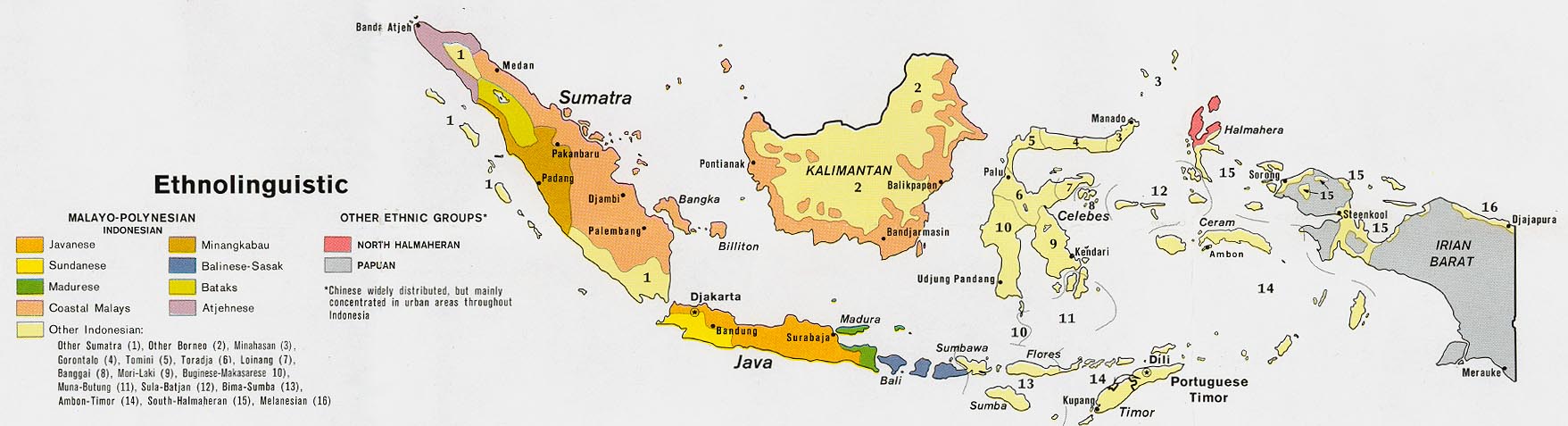
The Mamasa people, also called Toraja Mamasa, live primarily in the mountainous Mamasa?Regency of West Sulawesi, Indonesia. Their ancestors are historically linked to the Toraja Sa'dan people who migrated from the uplands of South Sulawesi. Over time, they developed a distinct identity, language, and culture even while retaining strong ties with broader Toraja traditions. Their homeland, once known in earlier times as Pitu Ulunna Salu ("seven upper rivers"), reflects their deep connection to the rugged river valleys and highlands where they have lived for generations.
People of Mamasa live in a highland region, often at elevations ranging from 600 to over 2,000 meters, surrounded by forested hills and river valleys.
Their daily work is rooted deeply in agriculture: they plant rice, maize, cassava, sweet potatoes, peanuts, soybeans, vegetables, and fruit, while also managing coffee and cacao crops using largely traditional methods. Livestock raising is also common, including buffalo, cattle, goats, pigs, ducks, and chickens.
Family dynamics are communal and intergenerational. Extended families frequently live close together, supporting one another in agricultural tasks, building houses, and maintaining social rituals. Hospitality is highly valued in Mamasa society; guests are warmly received and often treated as part of the extended community.
Celebrations and ceremonies hold strong cultural importance. One of the most significant is the Rambu Solo, a traditional death/mourning ceremony, which for the Mamasa includes rituals to honor ancestors, communal gatherings, and sometimes buffalo fights to mark the event.
According to architectural researchers, when a new house is finished, there is a thanksgiving ceremony (after logging, carpentry, and house?completion), called melambe.
Food is shaped by their highland environment. Rice is a staple, often accompanied by root crops like sweet potatoes and cassava, vegetables, and locally raised meat such as pork and buffalo. Coffee and cacao produced in the region are part of both their subsistence and economy.
Their traditional architecture is distinct: Mamasa houses are built in a style reminiscent of Toraja design, with heavy wooden roofs and elevated structures. The building process itself is rich with ritual: logging, carrying timber, constructing the house, then conducting thanksgiving rites.
The Mamasa spiritual world has a layered history. Traditional customs are carried in the form of Aluk Tomatua (also called Mappurondo), an indigenous ancestral belief system that continues to be practiced, especially in connection with death rituals and thanksgiving rites.
Over time, many Mamasa adopted Protestant Christianity; today about two-thirds identify as Christian. The Toraja Mamasa Church (Gereja Toraja Mamasa) has become a central religious body in their region, with a strong organizational presence.
Because of this religious plurality, many Mamasa live with a syncretic faith. Christian or Muslim identities co-exist alongside respect for ancestral rituals, such as honoring the dead in the Rambu Solo, or conducting traditional ceremonies tied to house-building or harvest.
The Mamasa people face both physical and spiritual challenges. Geographically isolated in highland valleys, many villages struggle with reliable access to healthcare, especially for maternal and child care, as infrastructures remain limited. Economic opportunities are constrained; while agriculture is still central, many farmers lack access to markets, fair pricing, or sustainable farming resources, which makes income unstable. Culturally, as younger generations are exposed to outside influences, there is a risk that their language, traditions, and ancestral customs may be lost or diluted. Spiritually, though many Mamasa identify as Christian or Muslim, there remains a need for discipleship that helps believers integrate their faith with their cultural heritage. Some are comfortable with traditional ceremonies but may not yet understand or experience the full life-transforming message of Jesus Christ. Furthermore, there is a need for well-trained Christian leaders from among the Mamasa themselves — people who understand both the gospel and Mamasa culture — so that a locally-led movement of discipleship and mission can grow.
Pray that God would raise up faithful Christian workers, both from within Mamasa and from outside, who can engage in disciple-making among the Mamasa with sensitivity to their culture and language.
Pray for protection and provision over Mamasa families, particularly for their health, as remote highland communities often lack consistent medical care.
Pray that the Holy Spirit would reach into traditional ceremonies and ancestral customs, bringing new understanding of Christ's power over death, forgiveness, and hope for eternity.
Pray that Mamasa youth would be rooted in both their cultural identity and in the gospel, so that they can serve as a generation bridging tradition and mission — becoming part of God's blessing for their own people and beyond.
Scripture Prayers for the Manem, Jeti in Indonesia.
Wikipedia — Mamasa people.
Culture & architecture study: Lullulangi, M.; Sampebua, O.; Indrus, R. "Culture and traditional architecture of Mamasa in West Sulawesi."
produccioncientificaluz.org
International Journal of Business and Social Sc
| Profile Source: Joshua Project |