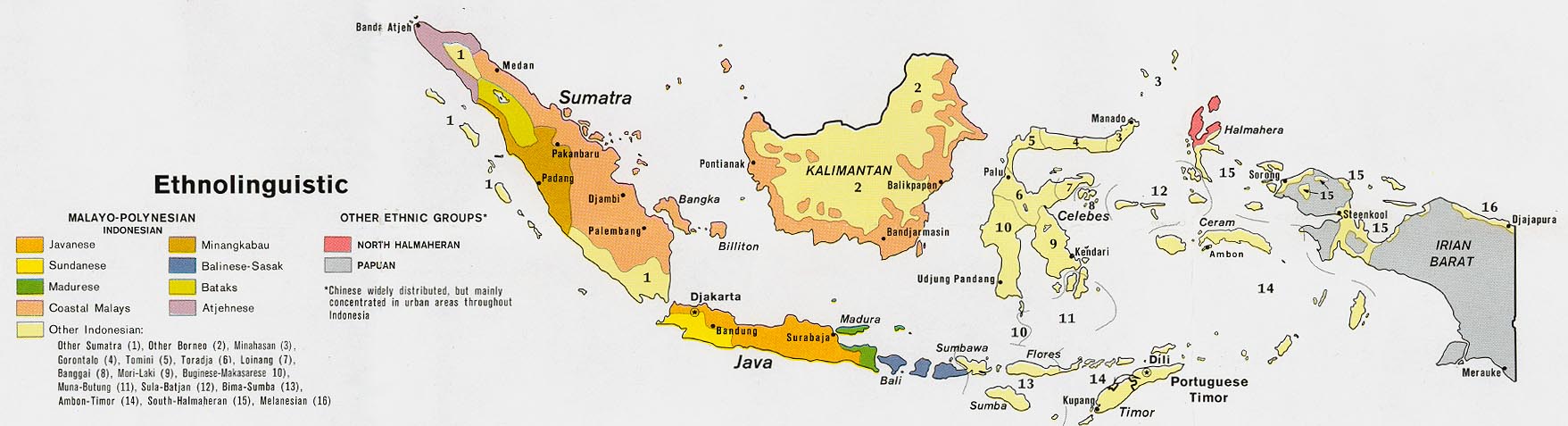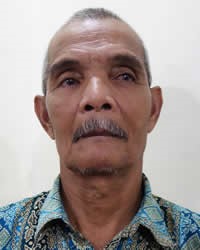

The Nias people, also known as Ono Niha or Niassans, form a distinct Austronesian ethnic group native to the island of Nias (Tanö Niha) and the nearby Batu Islands off the western coast of North Sumatra, Indonesia, with significant communities also living in urban centers across the country. Archaeological evidence points to a rich megalithic tradition that flourished for centuries, featuring impressive stone monuments, carved ancestor figures, and elaborate architecture reflecting a complex hierarchical society centered on ancestor veneration and feasts of merit. Oral traditions trace their origins to mythical ancestors descending from the heavens or emerging from sacred sites in central Nias, while historical contacts with traders from Aceh, Minangkabau, and China introduced external influences.
Dutch colonial control was established gradually in the early 20th century after periods of resistance, but the most transformative era began with the arrival of German Protestant missionaries in 1865, leading to widespread adoption of Christianity through powerful revival movements in the early 1900s known as the Great Repentance.
Today, the Nias maintain a vibrant cultural identity amid modernization, with their language Li Niha widely spoken and traditional customs integrated into daily life.
The Nias people engage primarily in agriculture, cultivating rice in irrigated fields, coconuts, rubber, and patches of sweet potatoes, cassava, and bananas, while coastal communities supplement their income through fishing and many younger adults migrate to cities for work in construction, trade, or services. Pig husbandry remains culturally vital, as raising and slaughtering pigs signifies wealth and enables participation in communal feasts. Family dynamics follow a patrilineal structure organized into clans (mado), with extended families often living in modern homes today, though traditional oval-shaped omo hada chief's houses—elevated on massive wooden piles with steep thatched roofs and intricate carvings—still stand as symbols of status in southern villages.
Celebrations center on life-cycle events such as elaborate weddings involving clan alliances and bride-price negotiations, funerals with mourning dances, and cultural performances featuring the famous stone-jumping ritual (hombo batu), war dances (faluya) accompanied by drums and gongs, and the graceful maena group dance where participants sing improvised verses. Food staples include rice or porridge served with fish, pork during feasts, grilled meats, and vegetables flavored with coconut milk or andaliman pepper, fostering community bonds through shared meals that honor both tradition and Christian hospitality.
The Nias people overwhelmingly embrace Protestant Christianity, with churches serving as central places for worship, community gatherings, and moral guidance, where the Bible in the Nias language strengthens faith and unites believers across villages. Evangelical teachings emphasize a personal relationship with Jesus Christ as Lord and Savior, providing forgiveness of sins and hope beyond the ancestral spirit world that once dominated life. While remnants of pre-Christian animism and ancestor veneration occasionally influence folk practices, the gospel has transformed worldview for generations, leading many to view cultural rituals through the lens of Scripture and glorify God in dances, songs, and feasts.
Access to quality education and vocational training opens doors for younger generations to thrive amid economic challenges on the island. Improved infrastructure, including reliable roads, electricity, and disaster-resilient housing, protects communities from earthquakes and tsunamis that have historically caused devastation. Healthcare facilities with trained staff address ongoing needs for maternal care, nutrition, and disease prevention in rural areas. Spiritual depth comes through Bible-based discipleship programs that equip believers to apply Scripture faithfully in family and village life. Mature leadership training empowers local pastors to shepherd growing churches with sound doctrine and vision for outreach.
Pray that the Lord sustains economic opportunities and protects the Nias people from natural disasters.
Intercede for the Holy Spirit to deepen faith across generations, freeing any lingering bonds to ancestral fears and filling hearts with joy in salvation through Jesus alone. Beseech the Father to raise up passionate Nias disciples who plant vibrant churches, train leaders, and carry the gospel boldly to unreached neighbors, making the Nias a powerful force in God's global mission.
Scripture Prayers for the Niassan, Nias in Indonesia.
Wikipedia. "Nias people." For cultural, historical, and megalithic details.
Nias Heritage Museum (museum-nias.org). For customs, architecture, and traditional practices.
Visit Nias Island (visitniasisland.com). For overview of culture and histor
| Profile Source: Joshua Project |