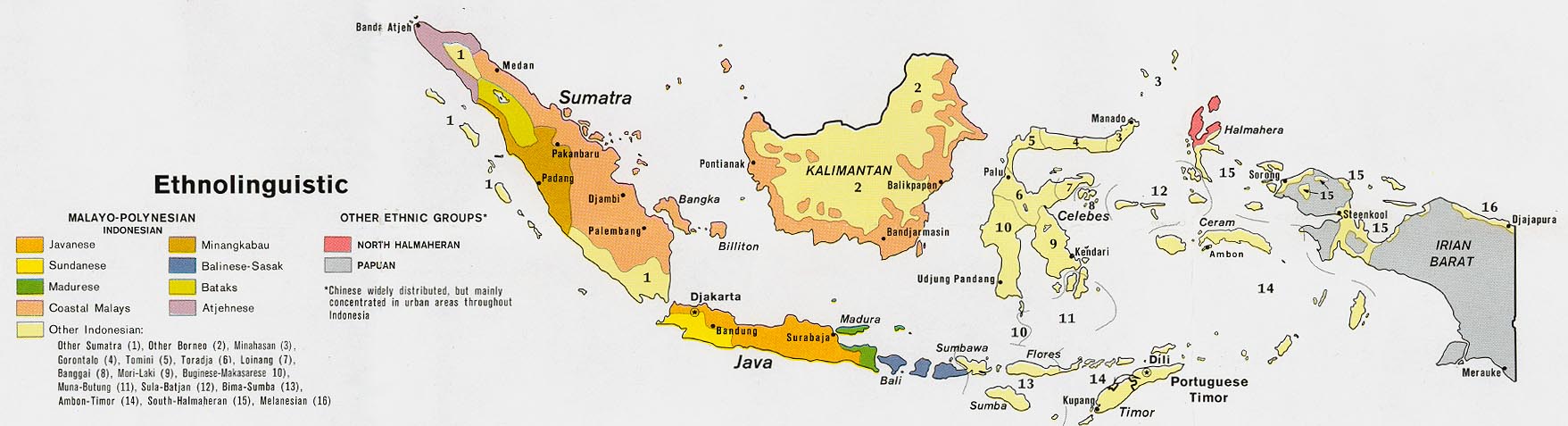
The Karon Dori people are an ethnolinguistic community of Indonesia whose identity is shaped by shared ancestry, language, and long residence in their homeland. Their history reflects generations of adaptation to local geography, customary law, and regional political changes. Oral traditions, clan relationships, and respect for elders help preserve their collective memory. Over time, outside influences such as trade, migration, education, and government administration have interacted with older patterns of life, creating a community that values continuity while navigating change.
Daily life among the Karon Dori people centers on family, work, and community cooperation. Most households depend on agriculture and small-scale livelihoods, such as farming, gardening, or tending animals, supplemented by seasonal labor or local trade. Extended families often live near one another, and decisions are commonly influenced by elders and customary leaders.
Family life emphasizes mutual responsibility, respect for parents, and care for children. Marriage is usually seen as a union of families rather than just individuals, and community harmony is highly valued. Celebrations mark important life events, agricultural seasons, and religious holidays, often including communal meals, music, and traditional expressions of hospitality. Food commonly reflects what can be grown or obtained locally, with staple crops, vegetables, and simple preparations shared among relatives and neighbors.
The religious worldview of the Karon Dori people blends inherited traditions with elements of a major world religion. Belief in spiritual realities, respect for ancestors, and awareness of unseen powers influence how many people understand health, success, and misfortune. Religious practice is often communal and tied to cultural identity, with rituals and observances reinforcing moral values and social cohesion. For those who identify with a global faith, traditional beliefs may still shape daily choices and interpretations of life's events.
Clear access to the message of Jesus Christ in ways that honor local language and culture remains essential. Many people would benefit from deeper opportunities to explore Scripture and faith in forms that connect with their worldview and everyday concerns. Strong families and communities require encouragement to address economic pressures, education for children, and pathways for young people to find meaningful work without losing their cultural identity. Local believers need support and discipleship so that faith is lived out with compassion, integrity, and service within their own community.
Pray that the Karon Dori people will encounter the love and truth of Jesus Christ in ways they can understand and embrace.
Pray for the Karon Dori Christians to go as Christ's ambassadors to those who haven't experienced transforming faith.
Pray for families to experience unity, provision, and hope amid social and economic challenges.
Ask God to raise up local believers who are grounded in Scripture and willing to share their faith with humility and courage.
Pray for improved access to education, health, and sustainable livelihoods, and for wisdom for community leaders as they guide their people through change.
Scripture Prayers for the Karon Dori, Meon in Indonesia.
Ethnographic studies of Indonesian minority peoples
Regional cultural and linguistic research publications
Christian mission and people-group research literature
| Profile Source: Joshua Project |