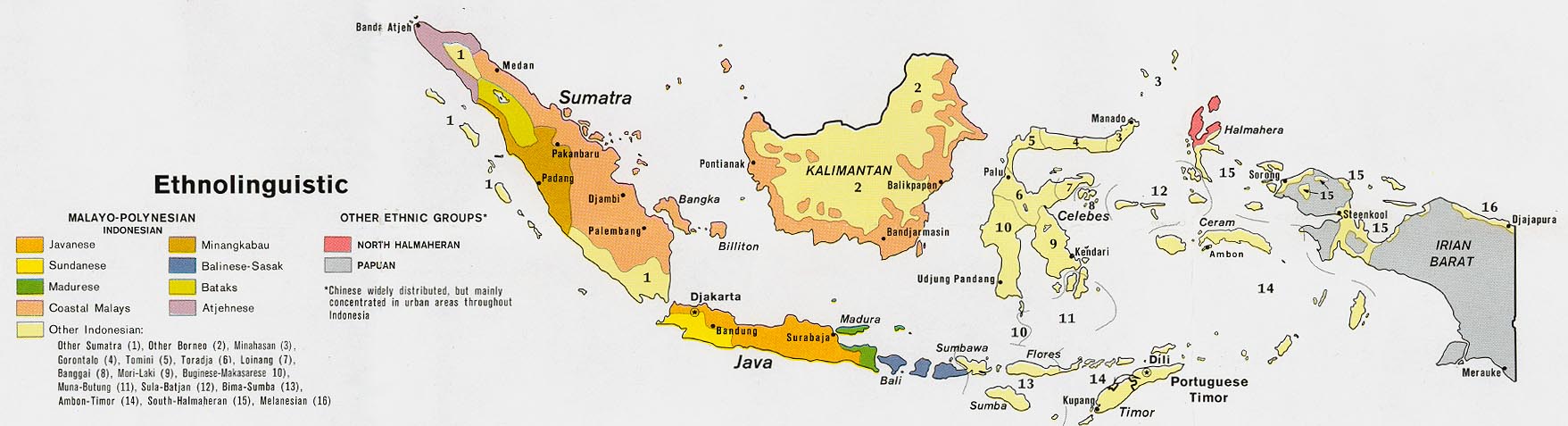
The Kapaur Iha are a distinct ethnic group living in the western part of New Guinea, within the nation of Indonesia. They are primarily found in coastal and lowland areas of what is now West Papua, particularly around the Kaimana region. Their history is closely connected to the sea, forests, and ancestral land boundaries maintained through customary law (adat). Over generations, the Iha, Kapaur have preserved their identity through language, kinship ties, and oral tradition, even as outside influences—colonial contact, migration, and modern state administration—have increasingly shaped their environment.
Life among the Kapaur Iha reflects a strong connection to land, sea, and community. Most families depend on subsistence livelihoods. Fishing, small-scale gardening, sago processing, and hunting provide daily food. Some households supplement income through trade, seasonal labor, or selling fish and forest products in nearby markets.
Extended families are central to social life. Elders are respected as custodians of tradition and decision-making. Children are raised communally, learning practical skills and cultural values through daily participation in family and village activities.
Community celebrations mark life events such as births, marriages, and deaths, as well as seasonal cycles. These gatherings often include traditional music, dancing, storytelling, and shared meals that reinforce group identity.
Their diet commonly includes sago, cassava, sweet potatoes, fish, shellfish, and wild plants.
While most identify as Christian, traditional beliefs remain deeply embedded in daily life and cultural identity, often blending with external religious ideas rather than fully replacing them. The Kapaur Iha cosmovision is animistic. Many believe that spirits inhabit natural features such as forests, rivers, and the sea, and that ancestral spirits continue to influence the well-being of the living. Rituals may be performed to seek protection, healing, or success in fishing and farming.
The Kapaur Iha lack consistent access to healthcare, clean water, education, and reliable transportation. Geographic isolation increases vulnerability to preventable disease and limits economic opportunity.
Many have limited access to Scripture and Christian teaching in their own language and cultural framework. There is a need for long-term, relational gospel witness, discipleship, and the development of local believers who can share Christ in ways that honor their culture while clearly communicating biblical truth.
Pray for improved health services, education, and sustainable livelihoods so that Kapaur Iha families can flourish physically and socially.
Pray that the message of Jesus Christ would be shared clearly and lovingly in ways that are understandable and meaningful within Kapaur Iha culture.
Pray for workers who are willing to serve among the Kapaur Iha with humility, patience, and respect for local customs.
Pray for the growth of a local community of believers who can lead, disciple others, and pass on faith to future generations and ethnic communities that haven't put their faith in the blood of Christ.
Scripture Prayers for the Iha, Kapaur in Indonesia.
https://www.ethnologue.com/country/ID
https://www.britannica.com/place/West-Papua
https://www.worldbank.org/en/country/indonesia/overview
https://www.undp.org/indonesia
| Profile Source: Joshua Project |