


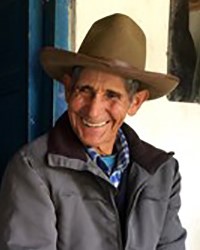

The Northern Conchucos Ancash Quechua people live in the highland valleys and mountain regions of the Ancash area of Peru. They are part of the larger Quechua-speaking population of the Andes, yet their identity is shaped by the distinct geography and history of the Conchucos region, which lies east of the Cordillera Blanca. Their language is Northern Conchucos Ancash Quechua, one of several Quechua varieties that developed over centuries as the language spread and adapted to different regions.
Their heritage is closely tied to the legacy of Andean civilizations that flourished long before the rise of the Inca Empire. Over time, Quechua became widely used as a common language across much of the Andes. Spanish colonization introduced new social structures, economic systems, and religious influences that reshaped life in the region. Despite these changes, the Northern Conchucos Ancash Quechua have retained strong ties to their land, language, and community traditions, which continue to define their identity today.
Life in the Conchucos region is shaped by the rugged mountain environment. Many Northern Conchucos Ancash Quechua families depend on small-scale agriculture, cultivating crops such as potatoes, maize, and other hardy plants suited to high altitudes. Farming often follows seasonal cycles, with careful attention to weather patterns and soil conditions. Livestock such as sheep, cattle, and smaller animals may also be raised, providing additional food and income.
Daily meals are simple and based on locally grown foods. Potatoes and grains form the foundation, often prepared in traditional ways that have been passed down through generations. Meals are typically shared within the household, and hospitality toward neighbors and extended family is an important part of community life.
Family relationships are strong and interconnected. Households may include multiple generations, and cooperation is essential for managing work, caring for children, and maintaining the home. Elders are respected for their experience and are often looked to for guidance in both practical and social matters.
Community life includes regular gatherings tied to agricultural cycles, religious observances, and local traditions. Festivals often blend elements of older Andean customs with Christian influences, featuring music, dancing, and communal meals. These events reinforce social bonds and provide a sense of continuity amid change.
The Northern Conchucos Ancash Quechua are associated with Christianity, particularly within the Roman Catholic tradition that has been present in the Andes for centuries. Church attendance, participation in religious festivals, and respect for Christian teachings are visible aspects of community life.
At the same time, many people continue to hold beliefs that reflect a deep trust in spiritual forces connected to the natural world. Mountains, the earth, and other elements of the environment may be regarded as having spiritual significance, and individuals may seek blessing or protection through offerings or rituals. These practices are not merely symbolic but represent a genuine reliance on spiritual powers believed to influence daily life, including health, harvests, and family well-being.
This blending of influences can shape how faith is expressed, with Christian identity existing alongside other spiritual practices. While these beliefs reflect a sincere desire for guidance and security, the Bible teaches that true salvation and peace with God come through Jesus Christ alone. A clear understanding of the gospel is needed so that trust is placed fully in Him rather than in spiritual forces or rituals.
Communities in the Conchucos region often face challenges related to isolation, limited infrastructure, and economic opportunity. Access to healthcare and education can be uneven, particularly in more remote areas, which can affect overall well-being and future prospects for younger generations.
Agricultural livelihoods depend heavily on environmental conditions, making families vulnerable to changes in weather and resources. Strengthening sustainable farming practices and improving access to markets could help provide greater stability.
Culturally, there is a desire to preserve language and traditions while also engaging with the broader society. Supporting education in the Northern Conchucos Ancash Quechua language can help maintain identity while opening doors to wider opportunities.
Spiritually, there is a need for deeper discipleship that addresses both Christian belief and underlying spiritual practices. Clear teaching from Scripture, communicated in the local language and in ways that connect with their worldview, can help bring lasting transformation. As believers grow in their faith, they can also take part in sharing the message of Christ with others.
Pray for improved access to healthcare, education, and sustainable livelihoods in remote communities.
Pray for the preservation and continued use of the Northern Conchucos Ancash Quechua language.
Pray for a clear understanding of the gospel that leads to wholehearted trust in Jesus Christ.
Pray for freedom from reliance on spiritual forces and rituals apart from Christ.
Pray that believers will grow in maturity and share their faith with Quechua that lack an adequate gospel witness.
Scripture Prayers for the Quechua, Northern Conchucos Ancash in Peru.
https://www.ethnologue.com
https://www.peoplegroups.org
https://www.operationworld.org
https://www.peru.travel
| Profile Source: Joshua Project |



