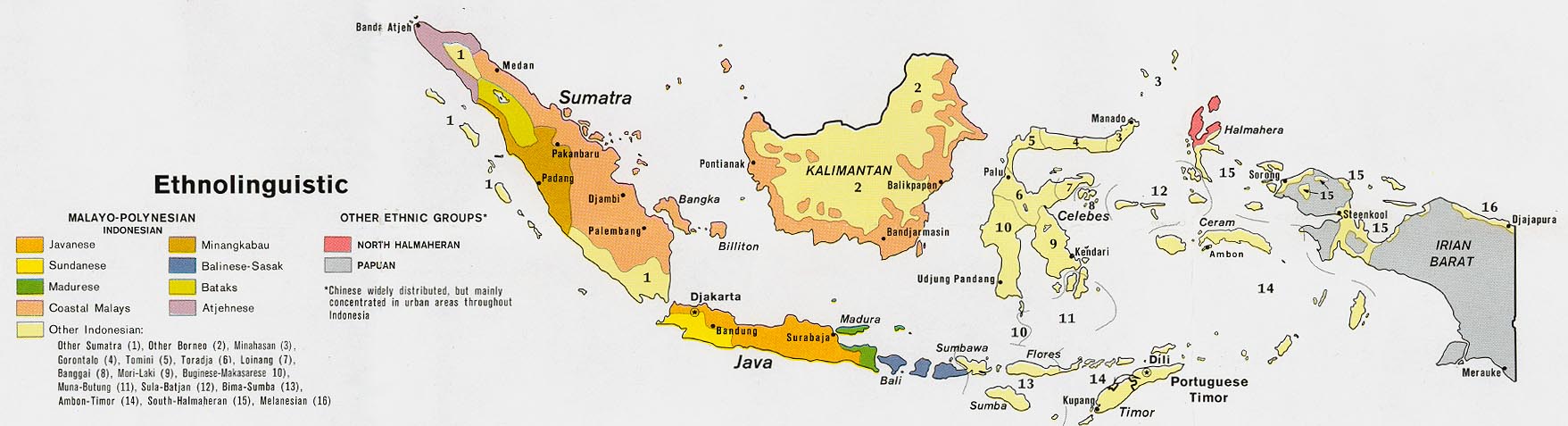
The Mori Baiyah are an ethnic group inhabiting the highland regions of Central Sulawesi, Indonesia, primarily in the mountainous eastern part of Sulawesi island. As highland people, they have traditionally maintained distinct cultural practices and social structures separate from coastal communities in the region.
The Mori people have a documented history that includes the Kingdom of Mori, which maintained its independence until the early 20th century when it came under Dutch colonial control during the "pacification" campaigns of 1907 known as the Wulanderi War. This historical experience has shaped their cultural identity and collective memory as a people group.
The Mori Baiyah primarily engage in subsistence agriculture, cultivating highland crops suited to their mountainous terrain. They practice traditional farming methods adapted to the steep slopes and tropical climate of Central Sulawesi. Rice cultivation, both wet and dry, forms an important part of their agricultural economy alongside the growing of root vegetables and other crops.
Their family structures tend to be extended and clan-based, with strong kinship networks that govern social organization and mutual obligations. Family dynamics center around cooperation in agricultural labor, with each family member contributing according to their age and ability.
Celebrations often reflect agricultural cycles and seasonal harvests, marking important transitions in the farming calendar. Food preparation involves traditional cooking methods, and their diet consists primarily of locally grown crops supplemented by hunting and gathering from the surrounding forests. The Mori Baiyah maintain strong community bonds, with villages organized around shared lands and collective decision-making processes that draw from traditional leadership structures.
Traditional spiritual beliefs remain deeply embedded in daily life, influencing perceptions of the natural world, including spiritual significance attributed to mountains, forests, and water sources. These traditional beliefs often coexist with Christian practice, creating a spiritual landscape where ancestors, spirits, and Christian concepts are intertwined.
The Mori Baiyah face significant challenges related to economic development and access to education. Limited infrastructure in highland areas restricts market access for agricultural products and increases isolation from government services. Many communities lack adequate educational facilities, resulting in lower literacy rates particularly among women. Healthcare access is severely limited, with distance to medical facilities presenting a barrier to preventive and emergency care. The need for clean water and sanitation infrastructure remains acute in many settlements. Economically, the Mori Baiyah would benefit greatly from access to markets for their agricultural products, vocational training programs, and microfinance opportunities.
Spiritually, there is a need for Bible-based discipleship that emphasizes faith in Christ for daily events.
Pray that educational opportunities would expand throughout Mori Baiyah communities, enabling children to gain literacy and skills for better futures while preserving cultural identity and language.
Pray for improved healthcare infrastructure and access in highland areas, that medical care would be available to vulnerable populations including pregnant women and children.
Pray that the gospel of Jesus Christ would be clearly communicated to Mori Baiyah communities in culturally appropriate ways, and that many would respond by placing faith in Christ alone for their needs.
Pray for Mori Baiyah Christians to reach out with the hope that is in Christ to their Muslim neighbors.
Scripture Prayers for the Mori Bawah in Indonesia.
Atkinson, Monnig. "Studies of shamanism among the Wana people of Central Sulawesi." Academic ethnographic research.
Central Statistics Agency (BPS) Indonesia. "2010 Census data on ethnic groups and languages."
Britannica Encyclopedia. "Central S
| Profile Source: Joshua Project |