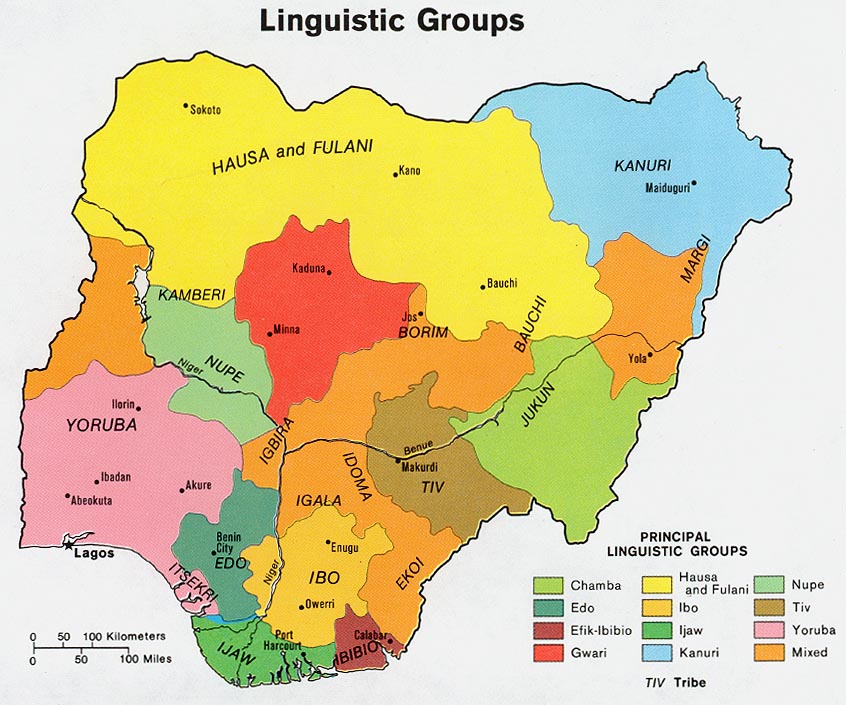
The Maha people are an ethnic group living in northern Nigeria, where their identity has been shaped by shared ancestry, language, and long residence in the region. Their history is preserved largely through oral tradition, which recounts ancestral origins, movements of clans, and long-established relationships with neighboring peoples. Over the generations, the Maha have been influenced by regional trade routes, Islamic scholarship, and political developments that shaped northern Nigeria. Despite these external influences, they have maintained a strong sense of communal identity rooted in family ties, local leadership, and cultural continuity.
Daily life among the Maha centers on agriculture, trade, and strong family relationships. Most families depend on farming for their livelihood, cultivating crops suited to the local climate and seasonal rainfall. Some households supplement farming with animal husbandry or small-scale trade, while markets serve as important centers for economic exchange and social interaction.
Family life is organized around extended households, where cooperation and mutual responsibility are essential. Elders are respected as counselors and decision-makers, playing a central role in resolving conflicts and guiding community affairs. Marriage is an important social institution that connects families and strengthens social networks. Children are valued as a blessing and are raised within the broader support of relatives and community members.
Celebrations are closely tied to religious observance and major life events such as marriages and naming ceremonies. These gatherings often include communal meals, traditional music, and expressions of gratitude to God. Daily food typically consists of grain-based dishes served with sauces made from vegetables or legumes, with meat prepared for special occasions. Sharing food and showing hospitality are important expressions of unity and respect.
The Maha people are primarily Muslim, and Islamic belief and practice strongly influence daily life, moral values, and community rhythms. Prayer, religious festivals, and instruction from Islamic teachers are central aspects of spiritual life. Faith is understood in communal terms, with religious identity closely tied to family and cultural belonging. They retain many pre-islamic spiritual practices.
Most Mahas have limited exposure to the message of Jesus Christ. The gospel is often unfamiliar or misunderstood. Religious change can carry social consequences, but they are at a point where some have embraced the only Savior.
The Maha community faces physical challenges related to limited economic opportunity, access to education, and availability of healthcare. Farming households are vulnerable to environmental fluctuations that can affect food security and income. Young people often lack training and employment options that would help them build sustainable futures.
Spiritually, access to the life-transforming message of Jesus Christ remains a significant need. Many Maha have not heard the gospel in ways that address their questions and hopes. Cross-cultural workers, translated Scripture resources, and patient discipleship are needed so that individuals can explore faith in Christ with understanding. Long-term vision is also needed so that future Maha believers may grow into mature disciples who participate in God's mission beyond their own community.
Pray that the Maha people would experience God's kindness through peace, provision, and strengthened family life.
Ask the Lord Jesus Christ to reveal himself clearly and lovingly to Maha hearts that are seeking truth and hope.
Pray for workers who will serve among the Maha with humility, wisdom, and long-term commitment.
Intercede for future Maha believers to be firmly grounded in Scripture and raised up as part of the global discipleship force.
Scripture Prayers for the Maha in Nigeria.
https://www.britannica.com/place/Nigeria
https://www.ethnologue.com
| Profile Source: Joshua Project |