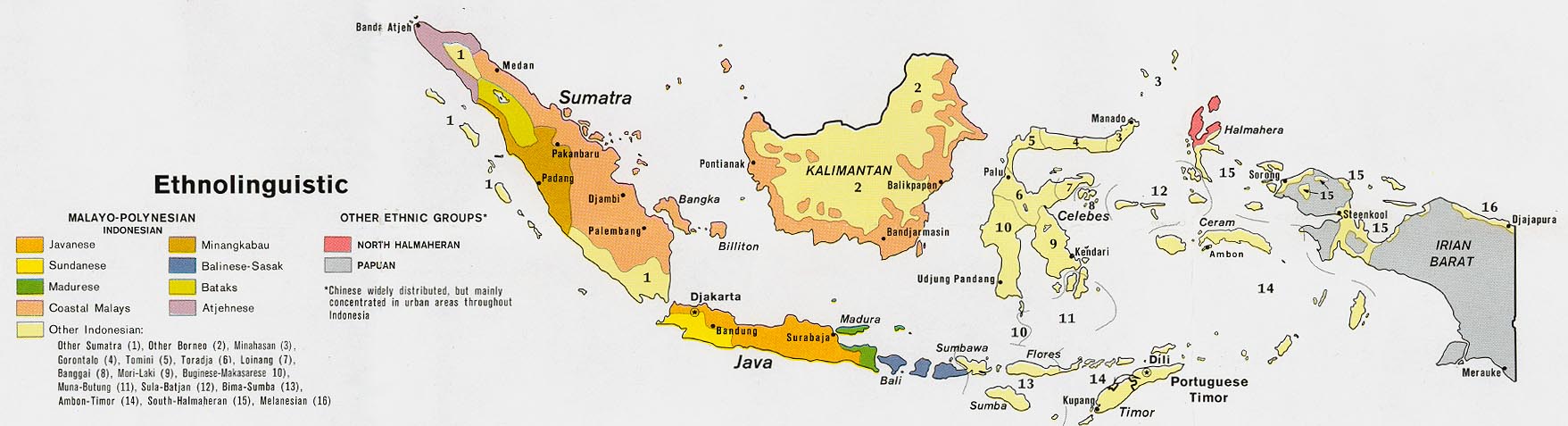
The Barapasi are an indigenous ethnic group living in the interior regions of Papua, Indonesia. Their language, Barapasi, is part of the East Geelvink Bay language family. The Barapasi have a long history of living in the dense forests and along the rivers of Papua, where they have developed a way of life closely tied to their natural environment. Over generations, they have maintained their cultural identity through oral traditions, traditional housing, and unique rituals, even as they have encountered outside influences through government programs and contact with neighboring groups.
The Barapasi people primarily live in small, scattered villages deep in the forest. Their daily lives revolve around subsistence activities such as hunting, fishing, and gathering wild foods. Men often hunt wild animals and fish in the rivers, while women tend gardens where they grow staple crops like sweet potatoes, taro, and bananas. Sago is also an important food source. Meals are typically shared among family and neighbors, and the diet is based on locally grown and gathered foods. Family life is central, with extended families living together and sharing responsibilities. Community celebrations are important, especially during harvests, weddings, and traditional ceremonies. These events are marked by singing, drumming, and communal feasts, which help to strengthen social bonds.
The Barapasi people are primarily animistic. They believe that spirits inhabit the natural world and influence daily life. Rituals and ceremonies are performed to honor these spirits and seek their protection, especially during important life events or times of illness. Ancestor veneration is also significant, with offerings made to deceased relatives to ensure their favor and guidance. In some areas, there has been limited exposure to Christianity, but traditional beliefs remain strong in most Barapasi communities.
Many Barapasi villages are located in remote and difficult-to-reach areas, making access to education, healthcare, and economic opportunities very limited. Children often have little or no formal schooling, and families face challenges related to poverty, malnutrition, and preventable diseases.
The Barapasi have limited exposure to the gospel, and many have never heard the good news of Jesus Christ in their own language or cultural context. There is a need for hundreds to be won, equipped, and sent to those without the hope of the gospel.
Pray that the Barapasi people would experience improved access to education, healthcare, and basic resources in their villages.
Ask God to send workers who are equipped to share the gospel in the Barapasi language and culture.
Pray that the hearts of the Barapasi would be open to the message of Jesus Christ, and that new believers would be strengthened in their faith, and ready to share it with ethnic groups without an adequate gospel witness.
Pray that the Barapasi would one day join the global body of Christ, sharing the hope and blessing of the gospel with others.
Scripture Prayers for the Barapasi in Indonesia.
Ethnologue: Languages of the World
Operation World
Papua Ethnographic Studies
| Profile Source: Joshua Project |