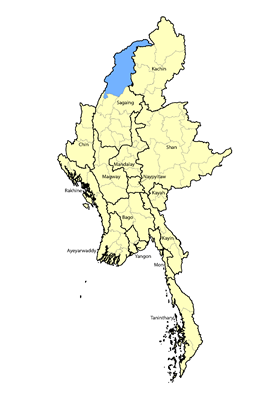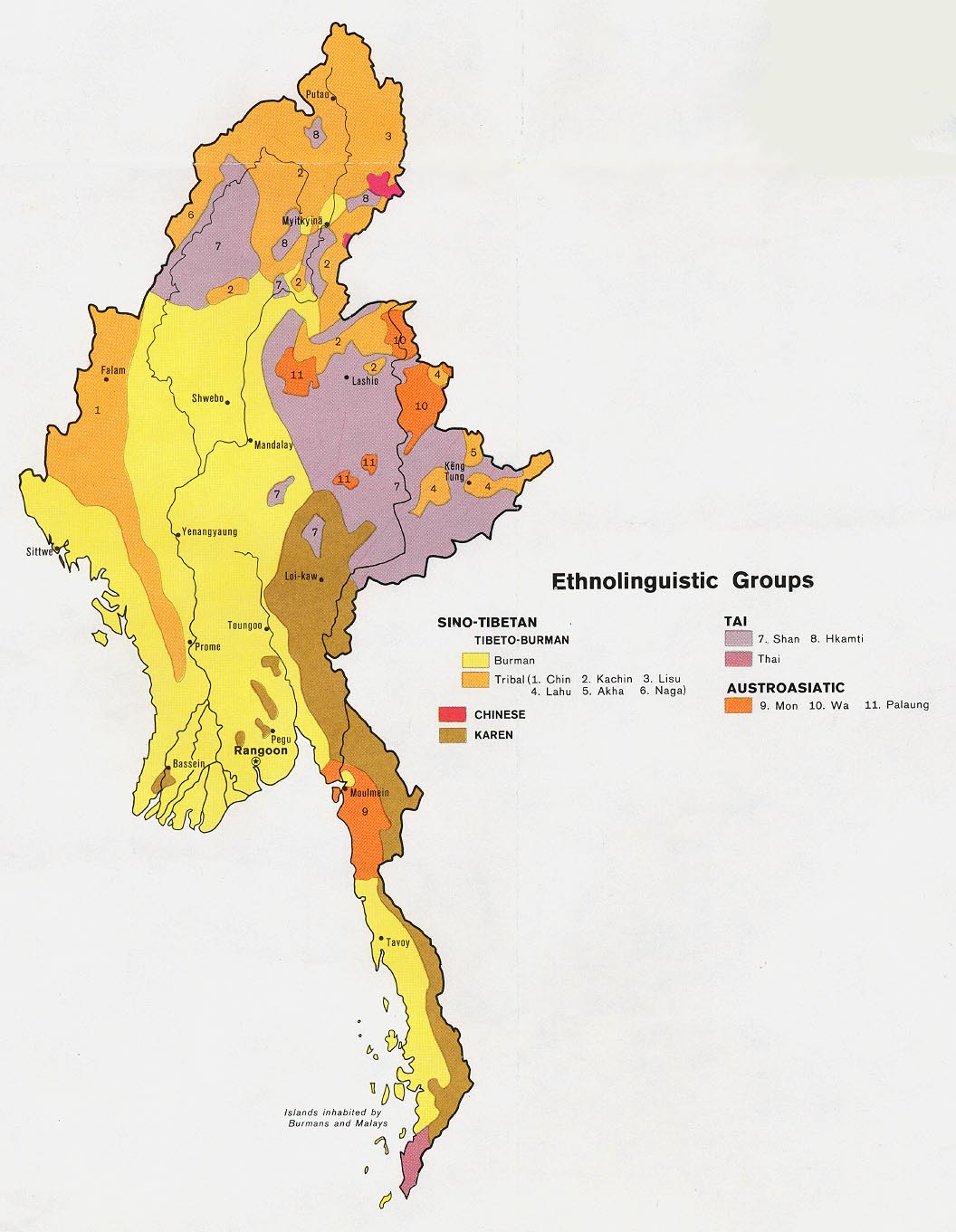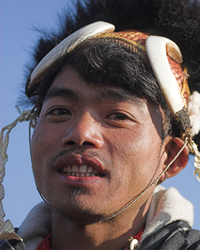

One the smaller distinct people groups in Myanmar is the Kochung tribe. They inhabit a small area in the Sagaing Region on the border between western Myanmar and India. The Kochung region "follows the spine of the Patkoi mountain range...which for centuries has formed a formidable physical barrier between Myanmar and its western neighbors. Their rugged nature, infrequent passes, and an actively hostile population discourage travelers from seeking a route westward."
The Kochung, whose name has also been rendered "Gawkchung" in some publications, are a little-known tribe that has never appeared on any lists of Myanmar's people groups, and subsequently their existence has not been known by the Christian world. They are one of more than 50 Tangshang tribes in Myanmar, most of which speak their own language or dialect and maintain a sense of ethnic identity and customs specific to their group.
After linguists surveyed 160 Kochung people in 2013, they concluded that the Kochung vernacular is part of the Lungkhi group of Tangshang languages, which includes Gaqchan, Gaqyi, Hasa, Henching, Khalak, Lakki, Lungkhi, Rasa, Ringkhu, and Shangti. Kochung shares only 71 percent lexical similarity with Shecyu, which many hope will serve as a common script for Bible translation among many Tangshang tribes.3 (Interestingly, while most Shecyu speakers believed Kochung was closely related or identical to their dialect, speakers of Kochung did not hold the same view. It seems that Kochung people have learned to use Shecyu to allow them to communicate with their neighbors, but many Shecyu people were unaware that the Kochung have their own dialect.
Historian J. D. Saul has opined about how so many small tribes like the Kochung are found in this one confined area of western Myanmar: "It is likely that over hundreds of years many different people came to the area. Some of them just passed through, but others remained and mixed with current inhabitants and later arrivals. Small groups of people gradually coalesced into larger groups and began to develop their own group identities, and these larger groups gradually came to constitute groups definable in linguistic terms. They later splintered into subgroups, until the present configurations were achieved.
After countless generations of intertribal warfare and head hunting in the rugged mountains and jungles in this part of Asia, the Tangshang tribes, including the Kochung, lead more peaceful lives, although insurgent armies continue to operate on both sides of the border today.
The respected late mission statesman, Don Richardson, explained that many of the ancient beliefs and rituals of the Tangshang and Naga tribes in this region show similarities with those of the Old Testament, which caused them to be receptive to the gospel when they first heard it. These common traits include "the erection of memorial stones at special places, first-fruit offerings, blood offerings, holy animal sacrifices, eating unleavened bread, ear-boring, keeping a sacred fire burning continuously, special regard for the number seven, harvest feasts, and the blowing of trumpets after harvest."
Christianity first appeared in the Kochung area in the 1950s but took a generation to get established. By the 1980s many tribes had begun to reject their former spirit-worshiping ways. Today, a strong majority of Kochung people are professing followers of Jesus Christ, with fellowships belonging to the Church of Christ and Catholic denominations among them.
Ask God to raise up Kochung leaders who can share the gospel with wisdom and compassion, bridging traditional beliefs and biblical truth.
Pray that the Kochung people would experience the love of Christ in ways that affirm their cultural identity and lead them to a closer walk with God.
Pray for them to have such a love for God that they can't help but tell others about him.
Pray for Kochung disciples to make more disciples
Scripture Prayers for the Kochung in Myanmar (Burma).
Asia Harvest, Copyrighted 2026 © Used with permission
| Profile Source: Joshua Project |
| Other PDF Profile |