


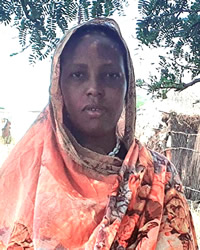

The Hawazama are an Arab people group living primarily in the Kordofan region of Sudan, particularly in South Kordofan and neighboring areas. They are part of the larger Baggara Arab population, a collection of Arabic-speaking pastoral communities known for their long history of cattle herding across the savannas of western and central Sudan. The Hawazama speak Sudanese Arabic, which serves as both their mother tongue and the primary language of daily communication.
Historically, the Hawazama developed a way of life closely tied to seasonal livestock migration. Like other Baggara groups, they have traditionally moved with their herds in search of grazing land and water, following routes that have been used for generations. Their history is connected to the broader movement of Arab pastoral peoples across Sudan, where cattle ownership became an important part of both economic life and cultural identity. While modernization has influenced some communities, many Hawazama families continue to maintain strong connections to their pastoral heritage.
The Hawazama are traditionally semi-nomadic cattle herders, although some families have adopted more settled lifestyles and engage in farming alongside livestock production. Cattle remain highly valued and play a central role in household livelihood, social standing, and community life. Goats and sheep may also be raised to supplement family income and food supplies.
Family relationships are highly important within Hawazama society. Extended families often live and work closely together, sharing responsibilities related to herding, agriculture, and household management. Community life is shaped by strong kinship ties and cooperation among relatives.
Their diet commonly includes milk, grains, and locally available foods. Daily life varies according to the season, with many activities revolving around caring for livestock, maintaining homes, obtaining water, and supporting family needs. Traditional customs and oral heritage are passed down from one generation to the next.
The Hawazama are Muslim and follow Sunni Islamic beliefs and practices. Islamic faith influences many areas of life, including worship, family relationships, community customs, and religious celebrations.
In most communities, Islamic practice may be accompanied by traditional beliefs and customs that have been preserved through generations. Where these practices exist, they can reflect a blending of Islamic teaching with older cultural traditions. Access to Christian witness remains limited, and many Hawazama have had little opportunity to hear a clear presentation of the gospel or engage with biblical teaching.
The Hawazama need greater access to the message of Jesus Christ through culturally appropriate evangelism, discipleship, and Scripture resources. Many have limited opportunities to encounter Christians who can share the gospel in a meaningful and respectful way.
Practical needs also exist. Communities in the Kordofan region can face challenges related to healthcare, education, access to clean water, and economic stability. Periodic drought, environmental pressures, and regional instability can place additional burdens on families who depend heavily on livestock and agriculture for their livelihood.
The Hawazama would benefit from both compassionate community development and faithful Christian witness that demonstrates the love of Christ while proclaiming the truth of the gospel.
Pray that the Hawazama people will be adopted through the People Group Adoption program so that they receive sustained prayer, strategic ministry attention, and future gospel engagement.
Pray that God will raise up Christians who are willing to build genuine relationships with the Hawazama and faithfully share the good news of Jesus Christ, that there would be a movement to Christ.
Pray that the Holy Spirit will create a deep spiritual hunger among the Hawazama, drawing many to seek and follow Jesus Christ no matter what the cost.
Pray that the Lord will provide for their physical needs through improved healthcare, educational opportunities, reliable water sources, and strengthened livelihoods.
Scripture Prayers for the Hawazama in Sudan.
https://peoplegroups.org/explore/GroupDetails.aspx?peid=15079
https://www.britannica.com/topic/Baggara
https://www.encyclopedia.com/social-sciences/encyclopedias-almanacs-transcripts-and-maps/baggara
https://www.britannica.com/place/Kurdufan
| Profile Source: Joshua Project |



