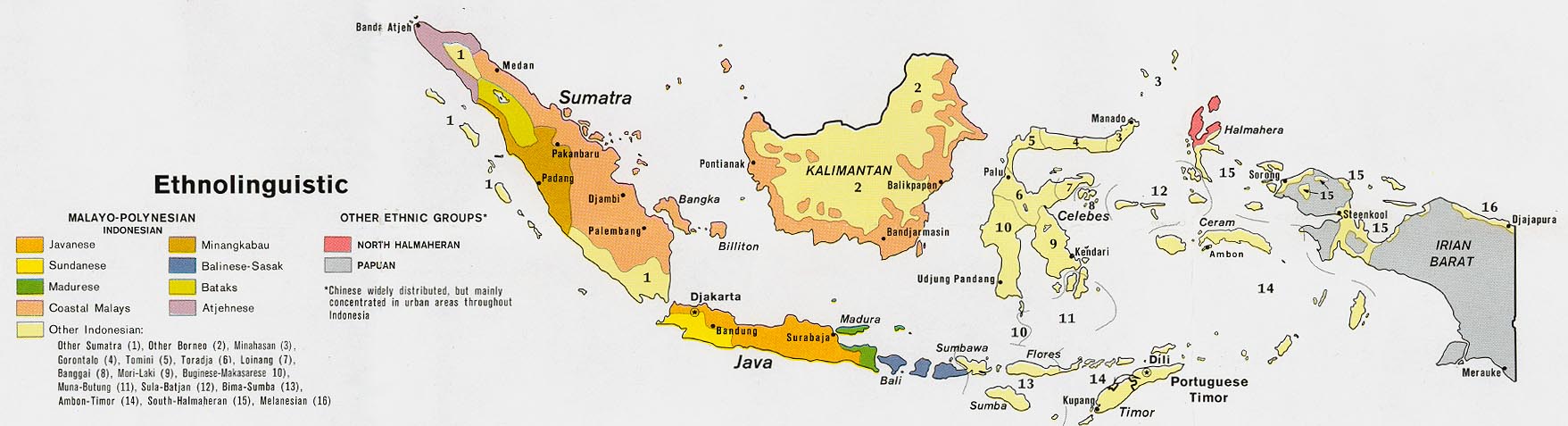
The Kaptiau people live in the remote highlands of Papua, Indonesia. They belong to the Papuan cultural and linguistic family, which is distinct from the Austronesian peoples of coastal regions. Historically, the Kaptiau have lived in small, scattered villages, relying on the land for survival. Their history is marked by isolation, which has preserved traditional customs and clan-based social systems. Contact with outsiders has been minimal until recent decades, when limited government programs and missionary efforts began reaching their area.
Life among the Kaptiau centers on subsistence farming and hunting. Sweet potatoes, taro, and bananas are staple crops, grown in small gardens carved into the hillsides. Pigs are highly prized, both as a source of food and as a symbol of wealth, often used in bride-price exchanges and ceremonial feasts. Families live in simple houses made from wood and thatch, clustered together for mutual support. Community life is strong, with extended families sharing resources and responsibilities. Celebrations often include traditional dances, singing, and feasting, especially during harvest times or marriage ceremonies. Meals are cooked over open fires, and food is shared communally.
The Kaptiau people are primarily Christian, reflecting the influence of missionary work in the region. Churches are present in many villages, and worship services are an important part of community life. However, older animistic practices have not entirely disappeared. Some rituals connected to spirits and nature persist, often blended with Christian customs. This mixture of beliefs shows the ongoing transition from traditional religion to biblical faith.
Healthcare and education remain significant challenges due to the remoteness of their villages. Many communities lack reliable transportation and infrastructure, making it difficult to access medical care or attend school regularly. Economic opportunities are limited, and most families depend on subsistence farming with little access to markets. Spiritually, there is a need for deeper understanding of Scripture and discipleship to strengthen faith and reduce reliance on old animistic customs.
Pray for strong, Christ-centered churches that teach and live out the gospel.
Ask God to raise up local leaders who can disciple others and serve their communities.
Pray for improved access to education and healthcare, especially for children.
Intercede for economic development that provides sustainable livelihoods without eroding cultural identity.
Pray that the remaining animistic practices would be replaced by trust in Christ alone.
Scripture Prayers for the Kaptiau in Indonesia.
Ethnologue – Languages of Indonesia
Operation World – Indonesia
| Profile Source: Joshua Project |