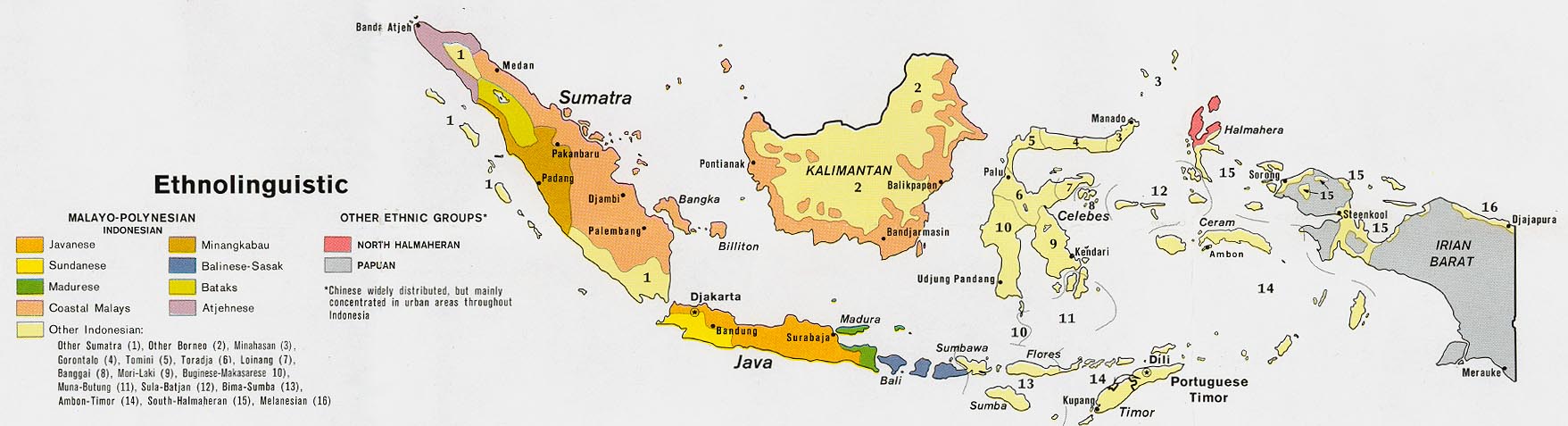
The Fayu people live in Papua and Central Papua, Indonesia, particularly in Waropen and Puncak regencies. Their homeland consists of swamplands and riverine areas, which have shaped their lifestyle and settlement patterns. Historically, the Fayu were known for living in small, scattered family groups, often isolated from one another. Violence and inter-group conflict reduced their numbers significantly in the past, before stabilizing again. Contact with outsiders has been limited, though missionaries and anthropologists have documented aspects of their culture. Their language, Fayu, is part of the Papuan family, and oral traditions preserve their heritage and worldview.
The Fayu live in small, nuclear family units, often separated by considerable distances. Families gather only occasionally, sometimes once or twice a year, for bride exchanges and communal events. Work is centered on subsistence hunting, fishing, and gathering, with men responsible for hunting wild game and women tending to domestic tasks and food preparation. Their swampland environment provides fish and sago as staples, supplemented by foraged fruits and small-scale cultivation.
Celebrations are rare but deeply significant, often tied to marriage exchanges or seasonal gatherings. Food is simple and based on what the land and rivers provide, with communal feasts marking important social occasions. Family dynamics emphasize survival and cooperation, with children raised close to parents and kin, though extended community ties are weaker than in other groups.
The Fayu people have a Christian presence, though traditional ethnic religions remain influential. Christianity has taken root among them, but syncretism is common, with older animistic practices still shaping aspects of worldview and ritual. Many believers lack access to Scripture in their own language. The tension between traditional beliefs and Christian teaching continues to affect spiritual growth, and the small Christian presence needs strengthening to become a mission force within their own people.
The Fayu people face both spiritual and physical challenges. Isolation has limited their access to education, healthcare, and economic opportunities, leaving many families vulnerable to disease and poverty. Spiritually, the community requires deeper discipleship and teaching in the word of God, so that faith can move beyond nominal identification and become transformative.
Translation of Scripture into the Fayu language is essential for lasting impact. Socially, reconciliation and peace are needed to overcome the legacy of violence and fragmentation that has marked their history. The younger generation especially needs hope and vision for a future rooted in Christ.
Pray that the Fayu believers will grow strong in their faith and become bold witnesses to their neighbors. Pray asking God to raise up leaders who can disciple others and bring unity to scattered families.
Pray for translation and teaching efforts that will make the word of God accessible in the Fayu language.
Pray for their physical needs, including better healthcare, education, and sustainable food sources.
Pray that the legacy of violence will be replaced by reconciliation and peace, and that the Fayu people will experience the blessing of Jesus Christ, who desires to bring hope and healing to all nations.
Scripture Prayers for the Fayu in Indonesia.
Wikipedia: Fayu people
Wikiwand: Fayu people overview
| Profile Source: Joshua Project |