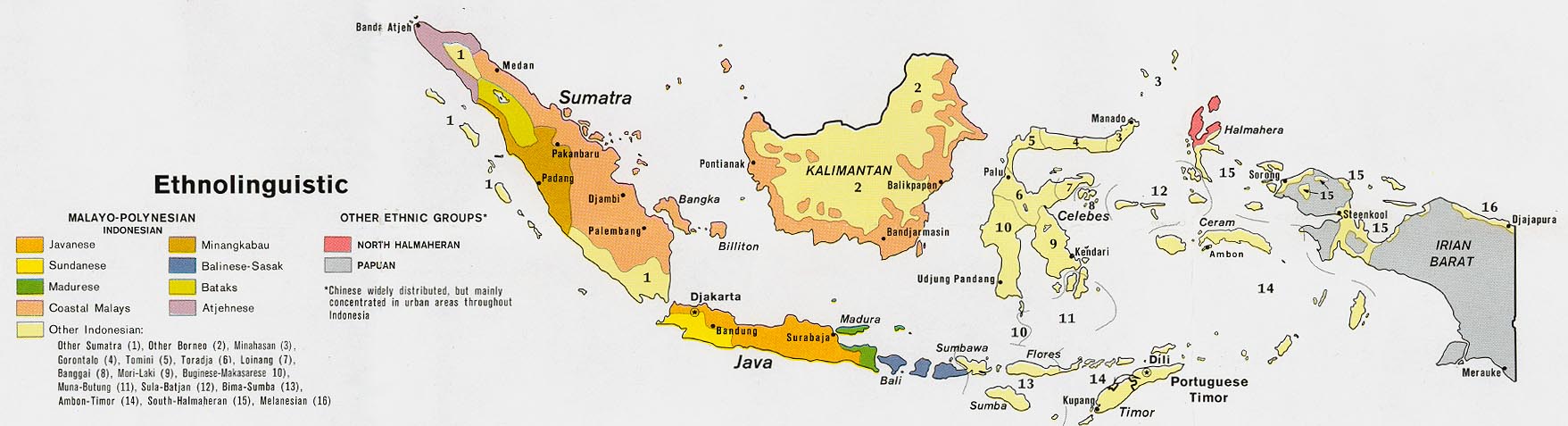
The Havunese Sabu people live primarily on Sabu and Raijua islands, located ???? of Indonesia in the province of East Nusa Tenggara. These islands are relatively small and dry compared to other parts of the country, shaping both the identity and daily rhythms of the people who live there. The Havunese speak the Sabu language, often called Hawu, which belongs to the Austronesian language family. While many also learn Indonesian for trade, education, and government interaction, their local language remains central to community life and cultural expression.
Historically, the Havunese Sabu developed in relative isolation, forming tight-knit communities structured around kinship and customary law. Their society has long been guided by adat, a system of traditional customs that governs relationships, land use, and ceremonial obligations. Contacts with outside traders and later colonial powers introduced new influences, including Christianity, yet these external elements were often integrated into existing frameworks rather than replacing them entirely. Today, their identity reflects both continuity with the past and adaptation to the broader Indonesian nation.
Life for the Havunese Sabu is closely tied to the land and the seasonal patterns of their island environment. Many people engage in farming, raising crops such as corn, cassava, and beans, which are well-suited to the region's dry climate. Palm trees are especially important, providing sap that can be processed into sugar or fermented beverages. Animal husbandry, including goats and pigs, also contributes to household livelihood.
Meals are simple and practical, often centered on corn or cassava rather than rice, which is less common due to environmental conditions. Vegetables, fish, and occasionally meat supplement their diet. Food preparation is usually done within the household, but sharing with extended family and neighbors is a normal part of daily life.
Family relationships are foundational. Households often include extended relatives, and mutual support is expected in times of need. Marriage is a significant social institution, involving not only the couple but also the wider family network. Ceremonial exchanges and traditional obligations remain important aspects of these unions.
Community life is marked by gatherings that reinforce shared identity. Festivals and ceremonies may be tied to agricultural cycles, life events, or religious observances. Music, dance, and storytelling are common features, serving both as entertainment and as a means of passing on cultural knowledge. While modern influences such as education and migration are increasingly shaping younger generations, village life remains the primary setting for most Havunese Sabu people.
Traditional belief systems continue to influence how most individuals understand the world. The ancestral religion, often referred to as Jingitiu, involves trust in spiritual forces connected to ancestors, sacred places, and unseen powers that are believed to affect daily life. Rituals, offerings, and adherence to customary laws are ways of seeking protection, blessing, or guidance. Illness, natural events, and personal misfortune may be interpreted through this spiritual lens.
They have a Christian influence as well, but they have a long way to go before they put their faith in the only Savior.
Economic opportunities on Sabu and Raijua islands are limited, and the dry environment makes agriculture challenging. Greater access to sustainable farming methods, clean water, and reliable infrastructure would strengthen daily life and reduce hardship. Education and healthcare services are also areas where improvement could significantly impact the well-being of families and future generations.
Spiritually, there is a need for deeper discipleship that moves beyond outward identification with Christianity to a genuine understanding of biblical truth. Many individuals would benefit from teaching that addresses spiritual fears and clarifies the sufficiency of Christ in every area of life. Local churches can play a crucial role, but they require strong, well-equipped leaders who can faithfully guide their communities.
Access to Scripture and teaching materials in the Sabu language would help communicate the message of the gospel more clearly and personally. As believers grow in their faith, there is also an opportunity for them to participate in sharing the gospel with neighboring groups who have less exposure to Christian teaching.
Pray for improved access to water, healthcare, and sustainable livelihoods on Sabu and Raijua islands.
Pray for a deeper understanding of the gospel that leads to wholehearted trust in Jesus Christ alone.
Pray for freedom from fear of ancestral spirits and reliance on ritual practices.
Pray that local believers will be equipped and motivated to share the gospel with nearby unreached peoples.
Scripture Prayers for the Sabu, Havunese in Indonesia.
https://www.ethnologue.com
https://www.peoplegroups.org
https://www.operationworld.org
https://indonesia.go.id
| Profile Source: Joshua Project |